1 Room, 2 Adults (change)
Room,Rooms,Adult,Adults,Child,Children

Here you can find the best hotel offers.

Book your trip but first choose the places to visit.


Fundamental Itinerary of Lubango
Featured Itinerary

Fundamental Itinerary of Lubango

Duration: 1 day

Distance: +- 70 km

Cost: No entrance fees at the sites

Vehicle type: Touring

Access: Road

Description

Lubango (called Sá da Bandeira until 1975) is a city and a municipality in southern Angola, located on the Huíla Plateau. It is the capital of Huíla Province. It has approximately 318 thousand inhabitants. It is bordered to the north by the municipality of Quilengues, to the east by the municipality of Cacula, to the south by the municipalities of Chibia and Humpata, and to the west by the municipality of Bibala. It is composed of the communes of Lubango, Arimba, Hoque and Huila.


Route Map


João António de Aguiar carried out the city’s urbanization plan, making it one of the most beautiful in Angola. In addition to Lubango, admirers point to Huíla as one of the most beautiful regions of Angola, containing in fact the most celebrated landscapes of the country, such as the Serra da Leba, the Tundavala Rift or Nossa Senhora do Monte.

History

The first European contact with the lands of the Angolan plateau dates back to 1627. Portuguese sovereignty began in 1769 with the creation of the Alva Nova fort. The first signs of European settlement came from the Boers, around 1880. Shortly afterwards, settlers from Madeira arrived who, on January 19, 1885, founded the colony of Sá da Bandeira. On September 2, 1901, Sá da Bandeira was elevated to the status of town and became the capital seat of Huíla Province. It only became a city on May 31, 1923, when the Namibe Railway, after overcoming the desert and the mountain range, finally reached the plateau.

The strong presence of colonization means that even today Huíla is considered the “whitest” province of Angola. It should be noted that the strongest colonial presences usually occurred along the coast, making Huíla an exception. Currently, groups of Portuguese origin can be found in Huíla, maintaining their traditions and traces of Madeiran pronunciation. The Nhaneca-Humbe ethno-linguistic family of Bantu culture is well represented in the former province of Huíla, namely the Mumuíla people.

Economy

Agriculture was the first objective of Sá da Bandeira, with wheat being the main production. However, cattle quickly became the region’s greatest wealth. The ox is still today a symbol of wealth. When transport became mechanized and roads became good access routes, trade became established and industry soon followed. Tanneries and milling industries took the lead. Metallurgy, footwear, lard, sausage production, ceramics, timber and soft drinks followed in importance. The economy of Lubango today is mainly based on the agriculture of cereals, fruits and vegetables. It also has some manufacturing industries specialized in food packaging.

Climate

Located approximately 1,790 meters above sea level, Lubango is the highest city in Angola. It has an Oceanic or Tropical Highland climate (Cwb) as a result of its altitude, which modifies it. During the day the climate is moderately warm, but at night temperatures are considerably lower. With an average annual temperature of 18°C, it is probably the city with the mildest and most temperate climate in Angola. Annually, extremes from 1°C to 34°C are common. June and July are the coldest months, with occasional frost. The heaviest rains generally occur between December and March, while the hottest months are September, October and November. In high-altitude areas such as the Serra da Leba and Serra da Chela, temperatures can drop sharply from 10 to -5 degrees during the night.

Additional Information
  • Cathedral of Saint Joseph - Located in the city center of Lubango, since its construction it has undergone several transformations, as have the Bishops Altino Ribeiro de Santana (1955–1972), Eurico Dias Nogueira (1972–1977) and the Archbishops Alexandre do Nascimento (1977–1986), Manuel Franklin da Costa (1986–1997), Zacarias Kamwenho (1997–2009), Gabriel Mbilingi, C.S.Sp. (since 2009).
  • Huíla Regional Museum - The Huíla Regional Museum is “a public, permanent institution of a scientific nature, non-profit, at the service of society and its development, open to the public, which acquires, conserves, researches, disseminates and exhibits material testimonies”.
  • Tundavala Rift - The Tundavala Rift is a huge abyss of about 1,200 m located in the Serra da Leba, 18 km from Lubango, in Huíla Province, Angola. It is at the cliffs of Tundavala that the Central Plateau of Angola ends. Here the plateau exceeds 2,200 meters in altitude and drops abruptly to about 1,000 meters, creating a stunning drop with colossal fissures in the mountain.
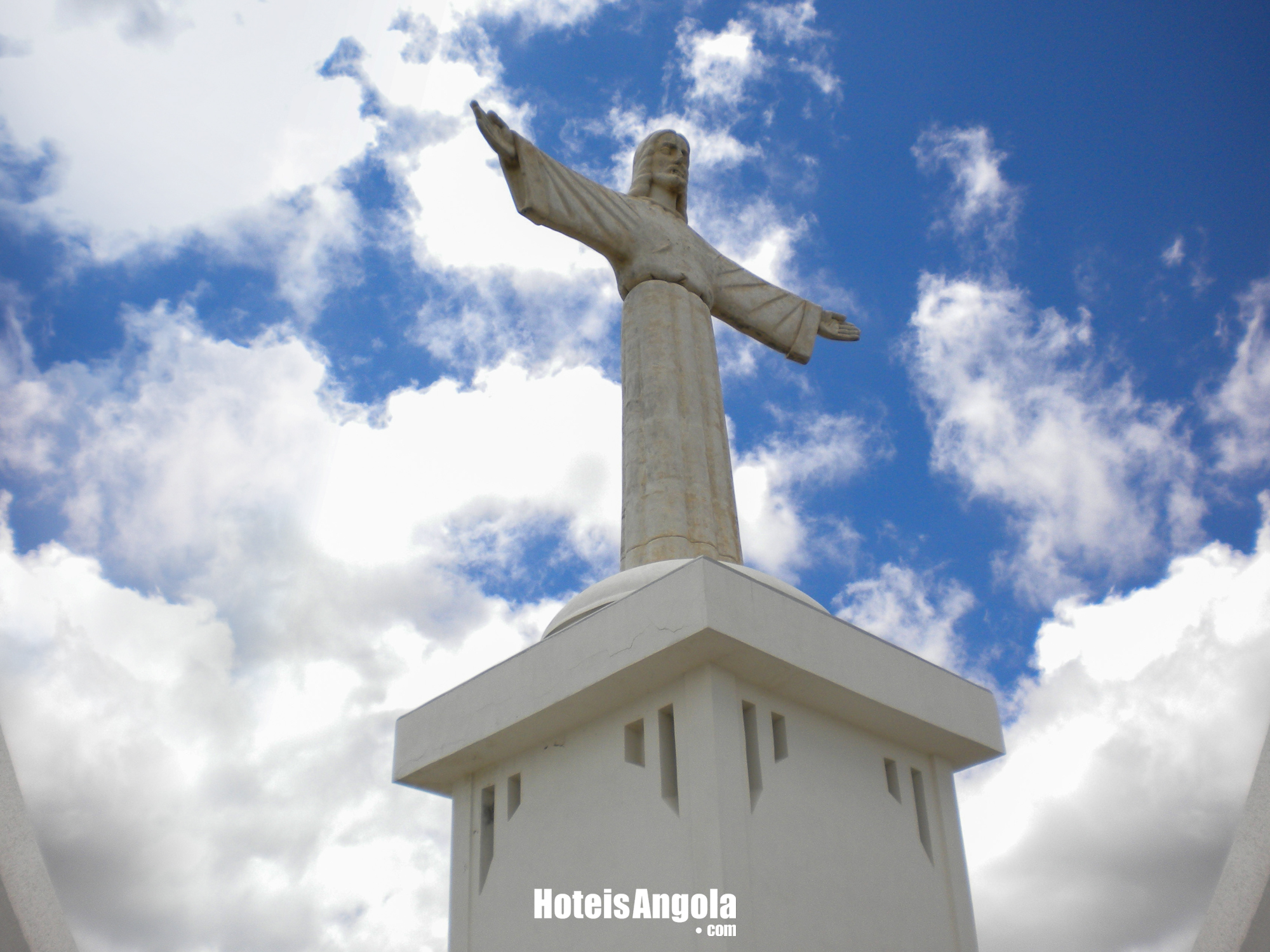
  • Chapel of Our Lady of the Mount - The Chapel of Our Lady of the Mount, together with the Statue of Christ the King, are the main landmarks of the city of Lubango. Located on one of the peaks of the Serra da Chela, the Chapel of Our Lady of the Mount is, in addition to being a religious pilgrimage sanctuary of great symbolism and importance to the Catholic community, also an important tourist and historical asset.
  • Christ the King - It was built in 1957, based on the similarity that the city of Sá da Bandeira had with the capital of the island of Madeira, from where the first contingents of settlers sent by the Portuguese Government arrived between 1884/85.
Recommendations
  • Light and comfortable clothing.
  • Preferably sports footwear.
  • Use of a hat.
  • Use of sunscreen.
  • Water per participant.
Accommodation

Huíla surrounding area


Support Line

WhatsApp WhatsApp

Number: +244 931 510 510

The message opens automatically when you click.

Telefone Telephone

Africell: +244 951 510 510

Unitel: +244 931 510 510

Email

E-mail: info@hoteisangola.com

For more detailed requests or to submit documentation.

Available every day from 8:00 AM to 10:00 PM. Allows you to clarify doubts, support reservations, and guide you in choosing the best accommodation and tourist services.


DIY Itineraries

Luanda Historical and Cultural Tour
Luanda

Luanda Historical and Cultural Tour

Museum Route located in Luanda, This itinerary is an immersive journey through the origins, memories and living expressions of the Angolan capital.
Wonders of the Desert Itinerary
Namibe

Wonders of the Desert Itinerary

Namibe Desert, takes you to discover its charms.
Huila Wonders Tour
Huila

Huila Wonders Tour

Discover the wonders of Huíla province in Angola with an unforgettable tourist itinerary that covers the most emblematic and stunning tourist attractions in the region.
Itinerary from Menongue to Lubango
Cubango

Itinerary from Menongue to Lubango

This Itinerary is a true immersion in the wild nature and cultural authenticity of southeast Angola.
Cuito Cuanavale itinerary
Cubango

Cuito Cuanavale itinerary

Cuito Cuanavale is a town and municipality in Angola, famous for the Battle of Cuito Cuanavale (1987-1988), one of the biggest clashes of the Angolan Civil War, crucial to the liberation of Southern Africa and the end of apartheid.
Saco Mar itinerary
Namibe

Saco Mar itinerary

An itinerary that will take you to see some of the main tourist attractions mentioned in Saco Mar.
Moçâmedes Basic Route
Namibe

Moçâmedes Basic Route

An itinerary that will take you to see some of the main tourist attractions in Namibe and its surroundings.
Basic Caotinha Route
Benguela

Basic Caotinha Route

The essentials for exploring the beach and local life in Caotinha
Huambo Basic Route
Huambo

Huambo Basic Route

Recommended 2 days in Huambo, to see the main tourist attractions
Lubango Basic Route
Huila

Lubango Basic Route

An itinerary that will take you to see the main tourist attractions in the city and surrounding areas.
Wonders of Malanje Tour
Malanje

Wonders of Malanje Tour

Come and explore the natural and cultural beauties of the province of Malanje on a tourist itinerary that includes the main tourist attractions in the region.
Beaches in the South of Benguela
Benguela

Beaches in the South of Benguela

Benguela is a destination known for its golden sand beaches, crystal clear water and a peaceful atmosphere.
Catumbela itinerary
Benguela

Catumbela itinerary

Get ready to embark on a charming itinerary through the city of Catumbela, a hidden wonder in the province of Benguela, in Angola.
Dombe Grande itinerary
Benguela

Dombe Grande itinerary

Discover Dombe Grande: A Fascinating Tourist Itinerary
Benguela City Tour
Benguela

Benguela City Tour

Benguela is a city and municipality, capital of the province of Benguela, in western Angola, composed only of the main commune, which is organized into six zones.
Conda's itinerary
Cuanza Sul

Conda's itinerary

Amidst mountains and valleys
Itinerary to Egypt Beach
Benguela

Itinerary to Egypt Beach

Don't miss an itinerary full of History, and surrounded by the breathtaking nature of Egypt Praia
Lobito City Tour
Benguela

Lobito City Tour

Lobito is known for its historical/economic importance in the national context. Founded in 1843, it played a fundamental role in the development of the fishing industry and international trade, thanks to its strategically located port...
Route from Huila to Chibia
Huila

Route from Huila to Chibia

Embark on an exciting journey and explore a region rich in natural beauty, stunning landscapes and vibrant culture.
Humpata itinerary
Huila

Humpata itinerary

Venture out to discover the municipality of Humpata located in the south of the province, bordered to the north by the municipality of Lubango, to the east by the municipality of Chibia.