- Hotels
- Rent-A-Car
- Routs

Featured Itinerary
Fundamental Itinerary of Moçâmedes
Description
This itinerary is an invitation to discover Moçâmedes with time and attention, exploring some of the city’s most emblematic streets and its surroundings. Between the sea and the desert, the route passes through historic spaces and points that help to understand the identity and rhythm of this region in southern Angola.
It is a circuit designed for those who want to feel and truly get to know Moçâmedes—observing, walking, photographing, and listening to local stories, without haste. Ideal both for first-time visitors and for those who wish to rediscover the city in a closer and more authentic way.
Route Map
 ...... From Miragens Beach to Mbali Art.....
Additional Information
- Miragens Beach (Seafront) - This beach is already one of the main landmarks of Namibe Province. Miragens Beach is located in the city center, along the seafront where most of Namibe’s restaurants and bars are located.
When the heat intensifies, the beach becomes crowded and the promenade gains a lively, summery atmosphere, with many street vendors and bars and restaurants operating at full capacity. - Cine Estúdio Namibe - In 1973, the owners of Cine-Moçâmedes, Messrs. Bauleth, Eurico, and Gaspar, commissioned Atelier Boper to design a new cinema building for the city. Its location would occupy a crucial place in the development of the urban plan, which was never completed due to major demographic changes during the popular movements preceding national independence. The cinema, often nicknamed “the spaceship,” is built on vacant land at the intersection of the new avenue leading to the new airport, whose construction began in January 1974.
- Church of Santo Adrião - The Parish Church of Santo Adrião in Moçâmedes began construction on July 27, 1849. By Provincial Instructions of March 30 of that year, issued by Governor General Acácio Adrião da Silveira Pinto, Major Ferreira Horta was tasked with “building a temple of sufficient size to accommodate not only all the inhabitants of the colony, but also neighboring indigenous people who might come to the settlement to attend religious services or be present on holy days.”
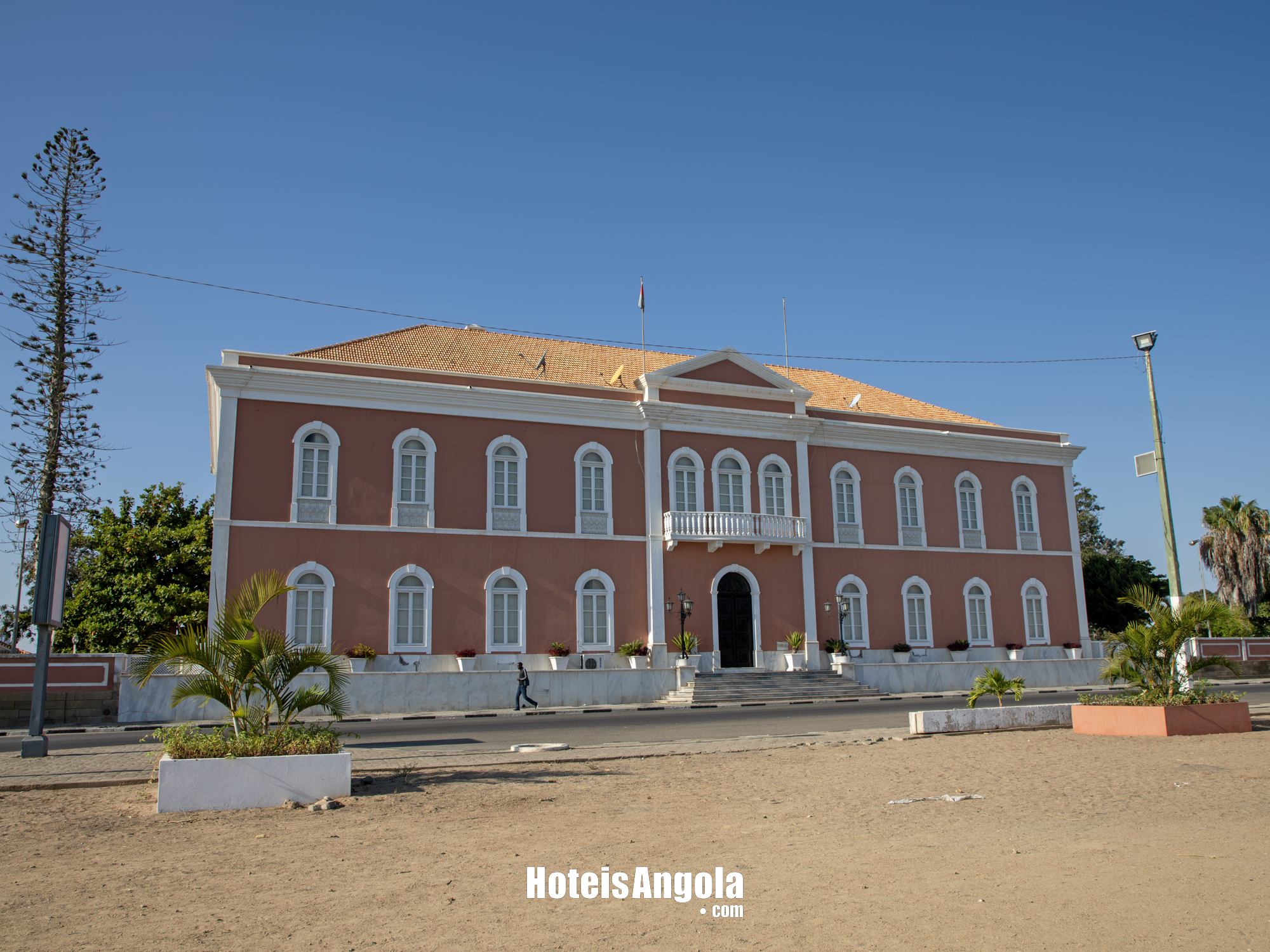
- Palace of Moçâmedes - Sober and imposing, with classical nineteenth-century architecture, the Palace features a façade divided into three sections, with the central body crowned by a triangular pediment that once displayed the Portuguese coat of arms. Anyone entering Moçâmedes Bay by ship would immediately notice the presence of this Palace, located west of the city on elevated ground (about 20 meters above sea level), dominating the entire bay.
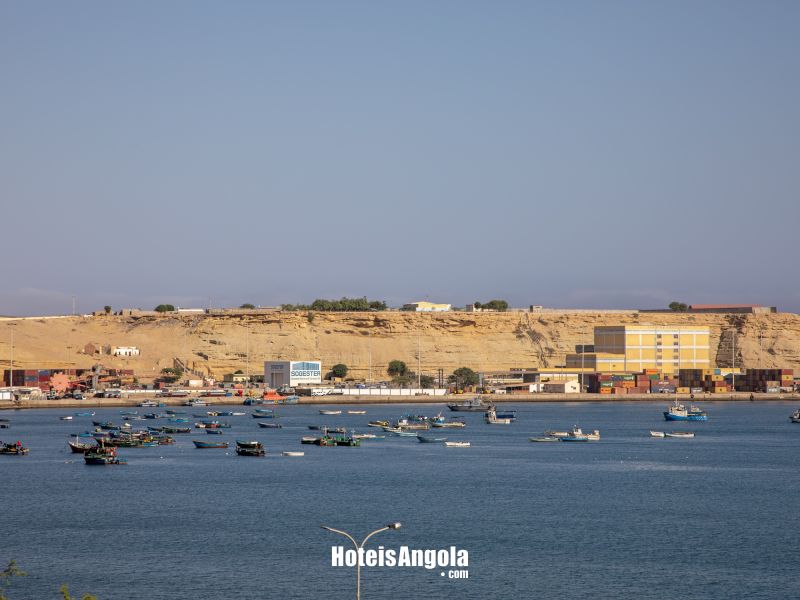
- Fortress of São Fernando (Namibe Fortress) - Built by Portuguese navigators in the 19th century (1838–1844), on what was then Morro da Ponta Negra, the structure has served as the Namibe Naval Base (BNN) since 1991. It dates back to the first half of the 19th century, in the context of Portuguese colonization of Namibe Bay, with the function of defending the military settlement founded there.
- Moçâmedes Court Building - Although the service has been modernized, the institution often operates in buildings that are part of the city’s built historical heritage, alongside other landmarks such as the Provincial Government and the National Bank of Angola. The Moçâmedes District Court was officially inaugurated on July 9, 2019, as part of the implementation of Angola’s new judicial map.
It is characterized by an orthogonal urban grid and Portuguese colonial-style buildings, mainly concentrated in the area perpendicular to the bay. - Moçâmedes Garden – “Millionaire’s Garden” - A historic and beautiful green space revitalized in Moçâmedes, famous for its beauty and design dating back to the colonial era, with a recent redevelopment project that included tree planting and leisure areas, making it a place of pride and gathering for the local population, despite past maintenance challenges. Its inauguration was also a symbolic tribute to Eduardo Mondlane, a historical figure in Mozambique’s liberation struggle, whose name was given to the garden.
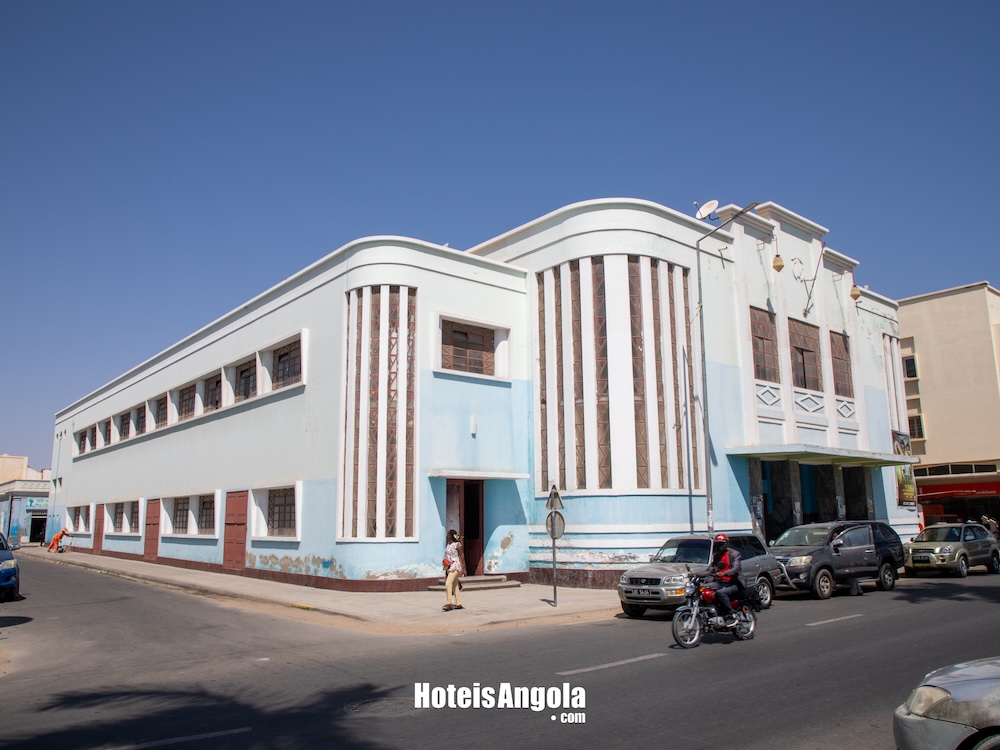
- Cine Theatre of Moçâmedes - Benefiting from a privileged location, almost halfway along Rua da Praia do Bonfim and facing the avenue, in a place where in the 1940s there was a small landscaped square known as Jardim da Colónia. Reserved for a monument to the founding settlers, this is where the Cine Theatre of Moçâmedes—popularly known as the “Eurico Cinema”—stands, featuring an architectural style considered revolutionary at the time: Art Deco, a marvel that became a decisive springboard for modernist architecture.
- Namibe Customs Building - Distinguished by its Estado Novo architecture with arcades, a circular tower, and a beautiful interior with a monumental staircase, it is a symbol of Angola’s port and banking history and is classified as historical-cultural heritage. Inaugurated on September 7, 1956, by the then Portuguese President Craveiro Lopes, it served as an agency of the Bank of Angola and, after 1976, of the National Bank of Angola (BNA). It was declared historical-cultural heritage on April 8, 1995.
- Namibe Provincial Museum - Identified as the “Guardian of the Memory of Southern Angola,” located in the historic center of Moçâmedes, the Namibe Regional Museum stands as one of the most important cultural institutions in southern Angola, playing a decisive role in preserving collective memory, cultural identity, and the province’s natural diversity. It currently houses the Provincial Department of Culture and Tourism of Namibe and also includes annexes such as galleries and service areas.
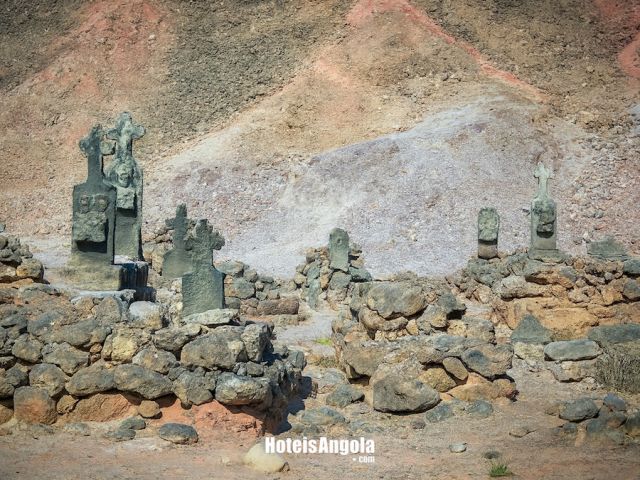
- Mbali Art - Few territories in Angola preserve such a singular artistic expression as Namibe. Between Moçâmedes and Bentiaba lies Mbali art, also recorded as Mbari, a funerary tradition that turns memory into an artistic object and places this region at the highest level of African anthropology. Here, art does not merely represent death: it interprets it, ritualizes it, and returns it to the community as an identity symbol.

Recommendations
- Preferably wear sports shoes;
- Wear a hat;
- Use sunscreen;
- Water per participant;
Accommodation
Namibe surrounding area
- from kz 74,174Hotel Chik Chik Namibe
- from kz 65,000Viva Executive Hotel Namibe
- from kz 54,000Hotel Yona Namibe
- from kz 20,000Residencial Maweza
- from kz 34,500Casa 2
Support Line
 WhatsApp
 Telephone
 Email
Email
Available every day from 8:00 AM to 10:00 PM. Allows you to clarify doubts, support reservations, and guide you in choosing the best accommodation and tourist services.
DIY Itineraries

Luanda
Luanda Historical and Cultural Tour
Museum Route located in Luanda, This itinerary is an immersive journey through the origins, memories and living expressions of the Angolan capital.

Namibe
Wonders of the Desert Itinerary
Namibe Desert, takes you to discover its charms.

Huila
Huila Wonders Tour
Discover the wonders of Huíla province in Angola with an unforgettable tourist itinerary that covers the most emblematic and stunning tourist attractions in the region.

Cubango
Itinerary from Menongue to Lubango
This Itinerary is a true immersion in the wild nature and cultural authenticity of southeast Angola.

Cubango
Cuito Cuanavale itinerary
Cuito Cuanavale is a town and municipality in Angola, famous for the Battle of Cuito Cuanavale (1987-1988), one of the biggest clashes of the Angolan Civil War, crucial to the liberation of Southern Africa and the end of apartheid.

Namibe
Saco Mar itinerary
An itinerary that will take you to see some of the main tourist attractions mentioned in Saco Mar.
Namibe
Moçâmedes Basic Route
An itinerary that will take you to see some of the main tourist attractions in Namibe and its surroundings.

Benguela
Basic Caotinha Route
The essentials for exploring the beach and local life in Caotinha

Huambo
Huambo Basic Route
Recommended 2 days in Huambo, to see the main tourist attractions

Huila
Lubango Basic Route
An itinerary that will take you to see the main tourist attractions in the city and surrounding areas.

Malanje
Wonders of Malanje Tour
Come and explore the natural and cultural beauties of the province of Malanje on a tourist itinerary that includes the main tourist attractions in the region.

Benguela
Beaches in the South of Benguela
Benguela is a destination known for its golden sand beaches, crystal clear water and a peaceful atmosphere.

Benguela
Catumbela itinerary
Get ready to embark on a charming itinerary through the city of Catumbela, a hidden wonder in the province of Benguela, in Angola.

Benguela
Dombe Grande itinerary
Discover Dombe Grande: A Fascinating Tourist Itinerary

Benguela
Benguela City Tour
Benguela is a city and municipality, capital of the province of Benguela, in western Angola, composed only of the main commune, which is organized into six zones.

Cuanza Sul
Conda's itinerary
Amidst mountains and valleys

Benguela
Itinerary to Egypt Beach
Don't miss an itinerary full of History, and surrounded by the breathtaking nature of Egypt Praia

Benguela
Lobito City Tour
Lobito is known for its historical/economic importance in the national context. Founded in 1843, it played a fundamental role in the development of the fishing industry and international trade, thanks to its strategically located port...

Huila
Route from Huila to Chibia
Embark on an exciting journey and explore a region rich in natural beauty, stunning landscapes and vibrant culture.

Huila
Humpata itinerary
Venture out to discover the municipality of Humpata located in the south of the province, bordered to the north by the municipality of Lubango, to the east by the municipality of Chibia.