- Hotels
- Rent-A-Car
- Routs
September 17 | National Hero and Founder of the Nation Day.
An occasion dedicated to the memory of Doctor António Agostinho Neto, whose date of birth - 17 September, was established as a moment to honour his legacy and his role in the contemporary history of Angola.
António Agostinho Neto had a career marked by different dimensions. He was a doctor, poet and political leader, having actively participated in the Angolan nationalist movement and in the struggle for independence. His political activity during the colonial period also led to arrests and exile, while he continued his involvement in the anti-colonial struggle.In the process that led to independence, Agostinho Neto assumed the leadership of the Popular Movement for the Liberation of Angola and, on 11 November 1975, became the first President of independent Angola, at the time known as the “People's Republic of Angola”, a position he held until his death in 1979.
Locals to visit
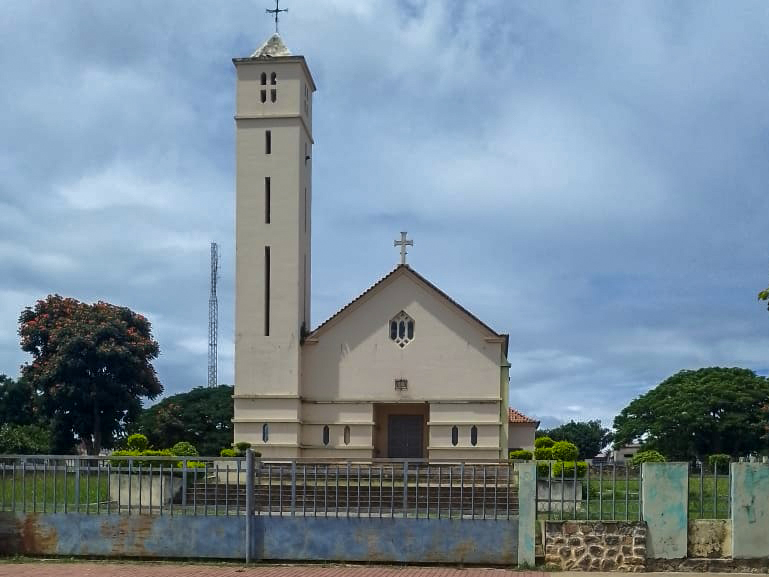
Cubango
Cathedral of Our Lady of Fátima
More than a temple of worship, the cathedral represents an important historical, cultural and community reference point in the city.
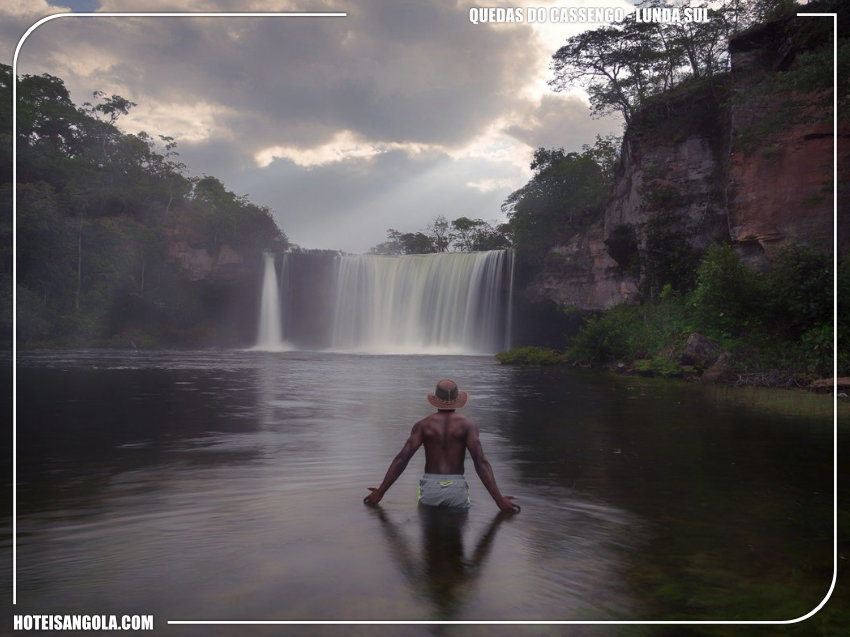
Lunda Sul
Cassengo Falls
A hidden treasure, shaped by the landscape and local beliefs.

Bie
Chitokota Hot Springs
The Hot Springs of Chitokota, located in the town of Chilesso, municipality of Andulo, province of Bié, have been an alternative for the treatment of diseases that affect the skin, especially scabies.
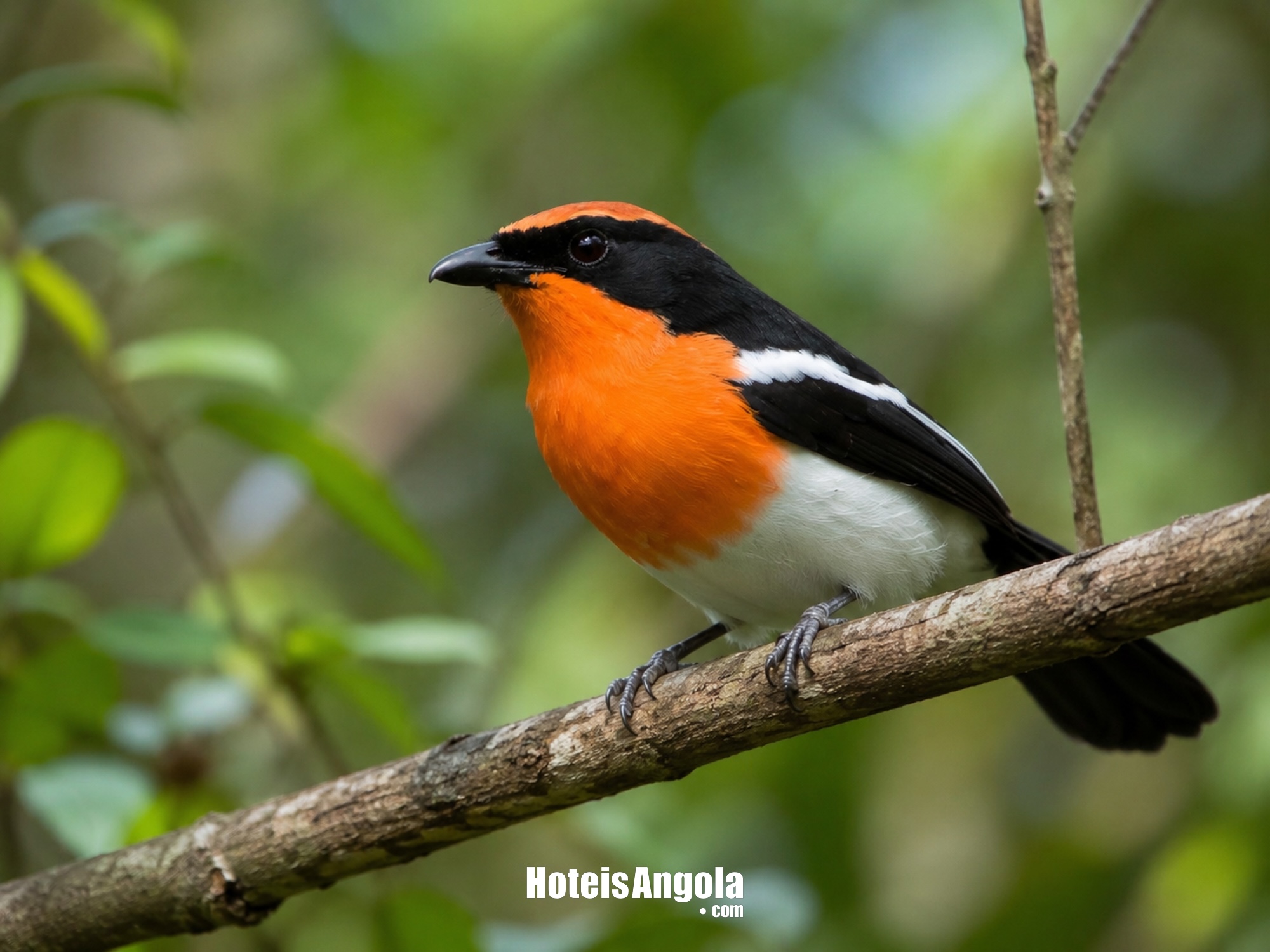
Uíge
Braun's Bushshrike (Laniarius brauni)
Braun's Bushshrike is one of Angola's rarest endemic birds, found only in the humid forests of the country's north, particularly in Uíge Province.
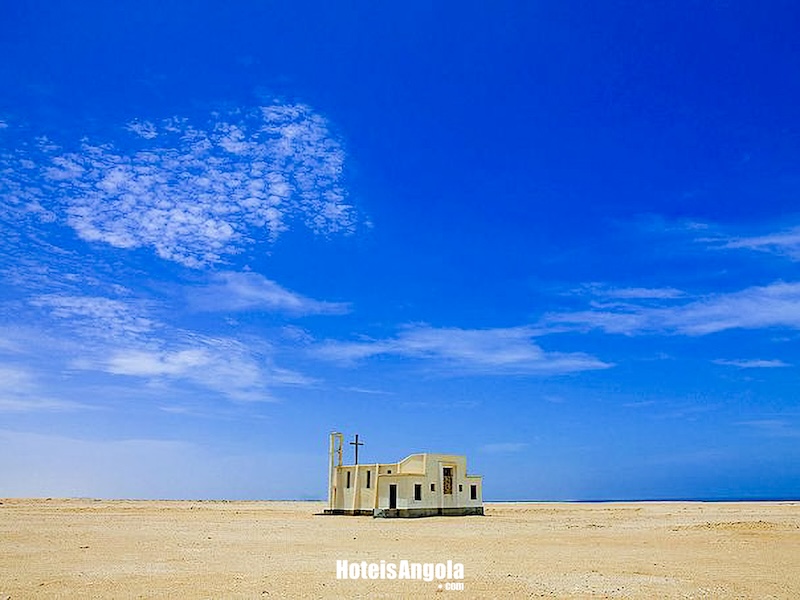
Tômbua
Chapel of Our Lady of the Navigators - Namibe
This chapel was built in 1950 as a fulfillment of a promise after Frank Marques (Francisco Marques) received a lottery prize, and was dedicated to the patron saint of seafarers.
Malanje
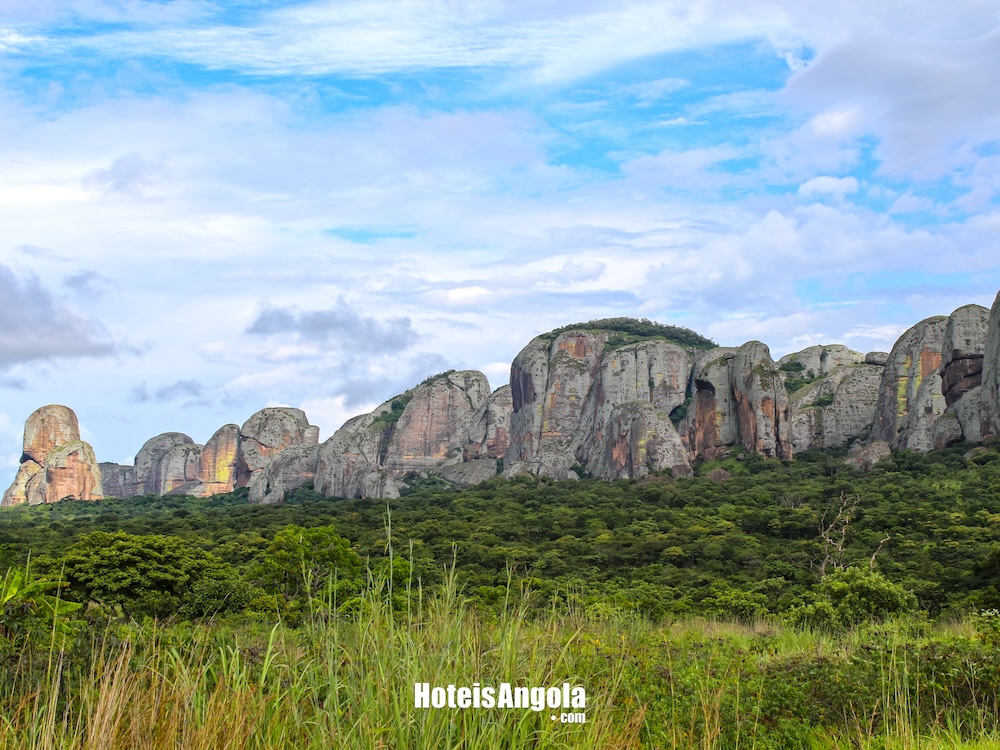
Black Stones
The Black Stones of Pungo Andongo are an almost surreal natural spectacle with monumental stones that rise between the vegetation and the meandering of the Kwanza River.
Caála
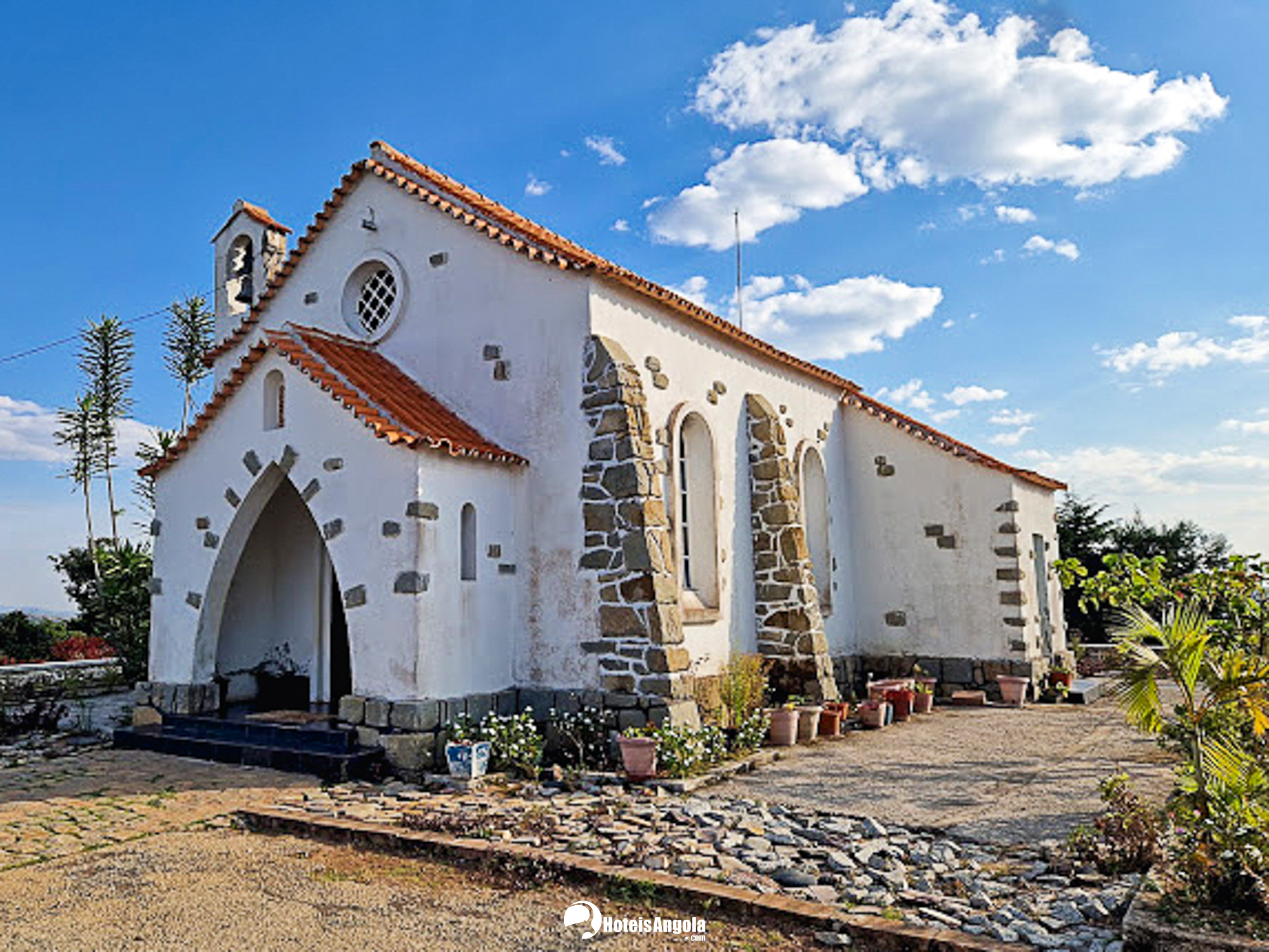
Our Lady of Monte da Caála
The work is the fulfillment of a Promise made to God by a lay Catholic, who had health problems.
Lubango
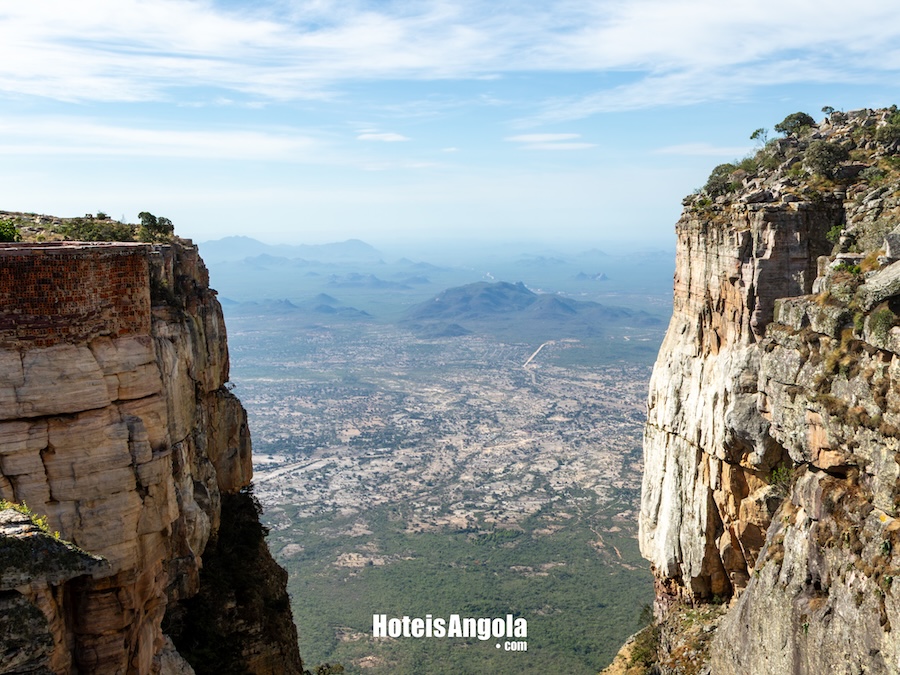
Tundavala Rift
The Tundavala Rift is a huge chasm of around 1200 m located in Serra da Leba, 18 km from Lubango, in the province of Huíla, in Angola.
Lobito
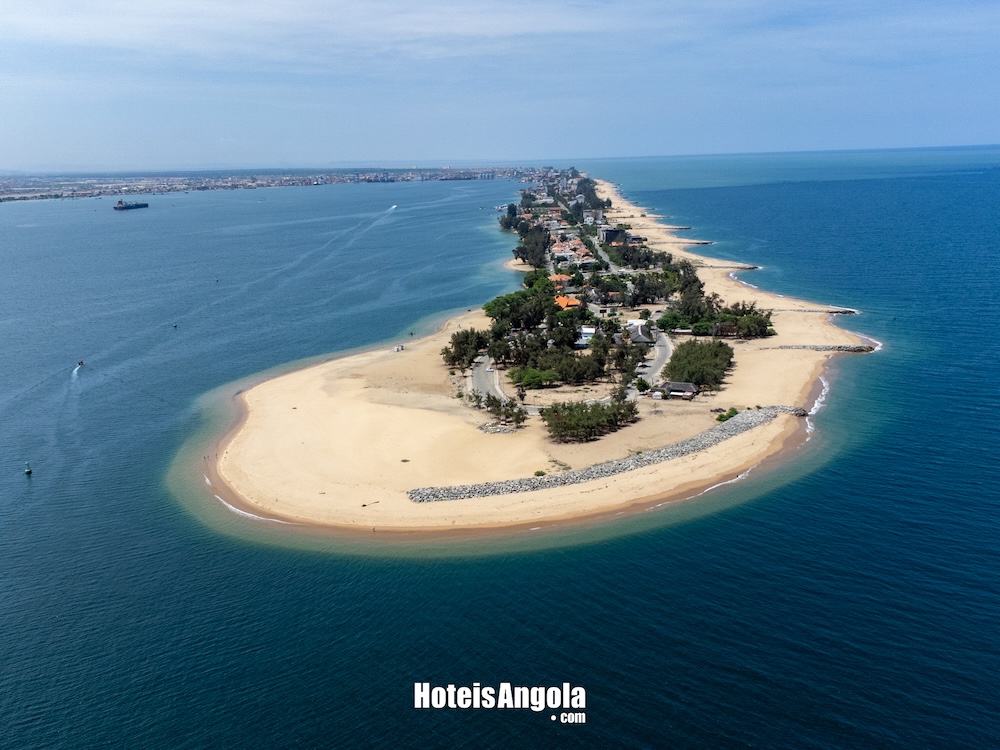
Restinga do Lobito (Lobito sand spit)
The Lobito sandspit, also known as Tip of Sand spit, is a sandspit landform in Angola.
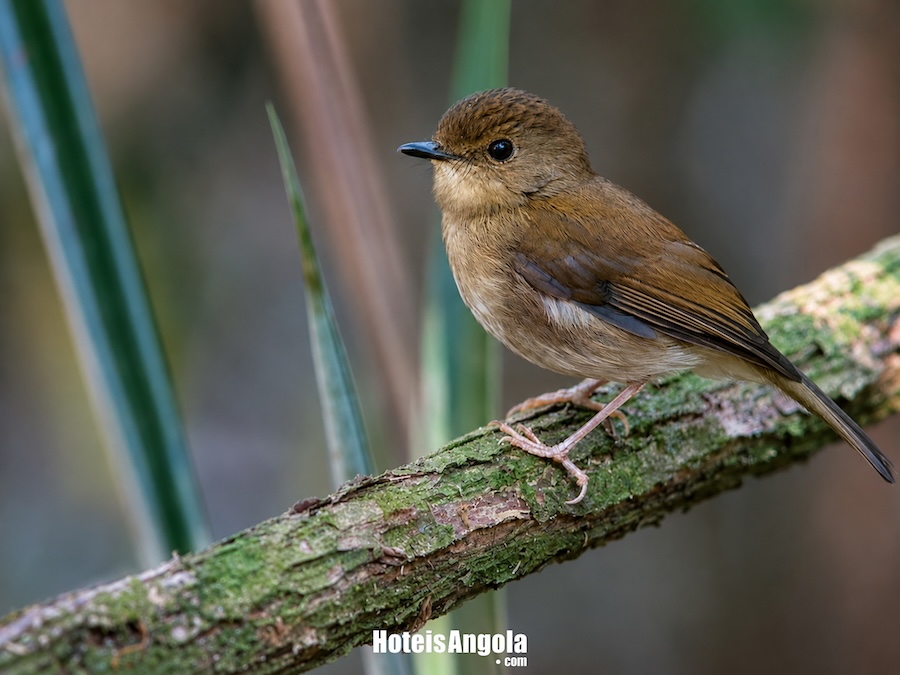
Cuanza Sul
Akalate da Gabela
a bird that only exists in a small region
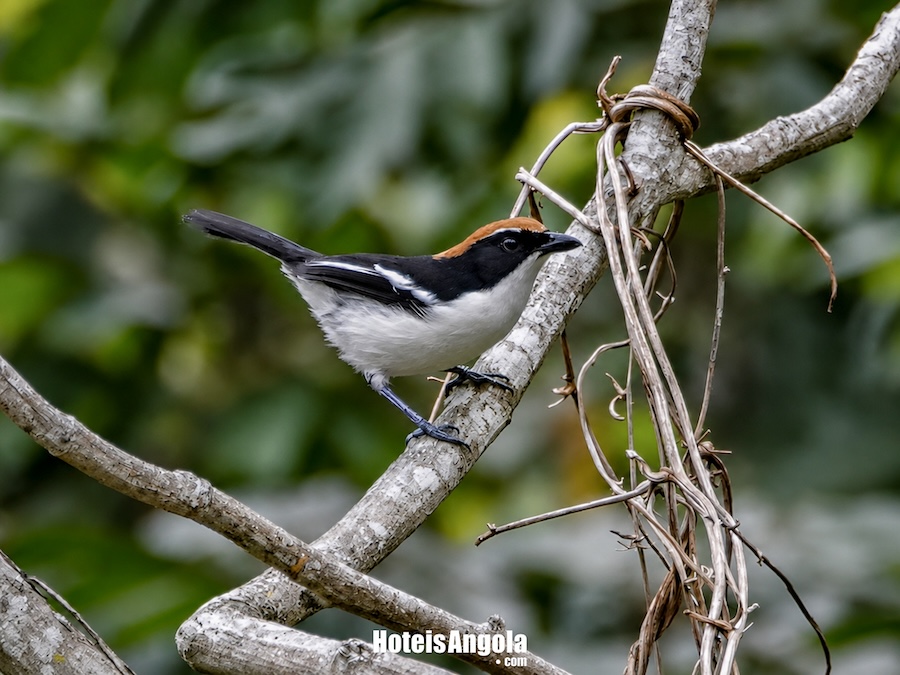
Cuanza Sul
Picanço da Gabela
a discreet presence among the vegetation
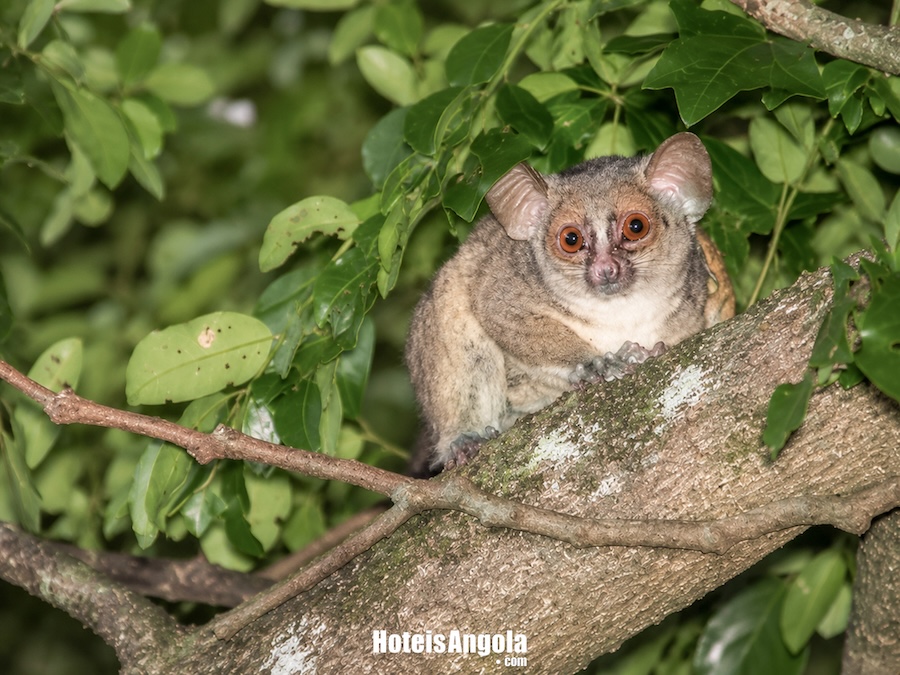
Cuanza Sul
Galago da Cumbira
The most unique inhabitant of Cumbira is probably the Cumbira galago, with the scientific name Galagoides kumbirensis.
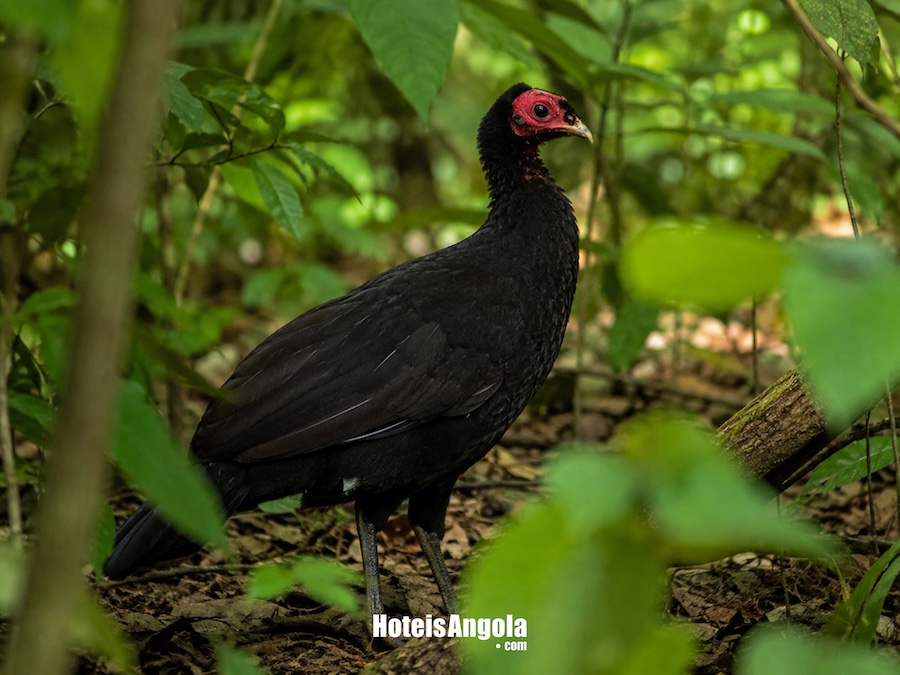
Cabinda
Black Guineafow (Agelastes niger)
The black Guineafowl is one of Africa's rarest forest birds and an emblematic species of the tropical forests in Cabinda province.
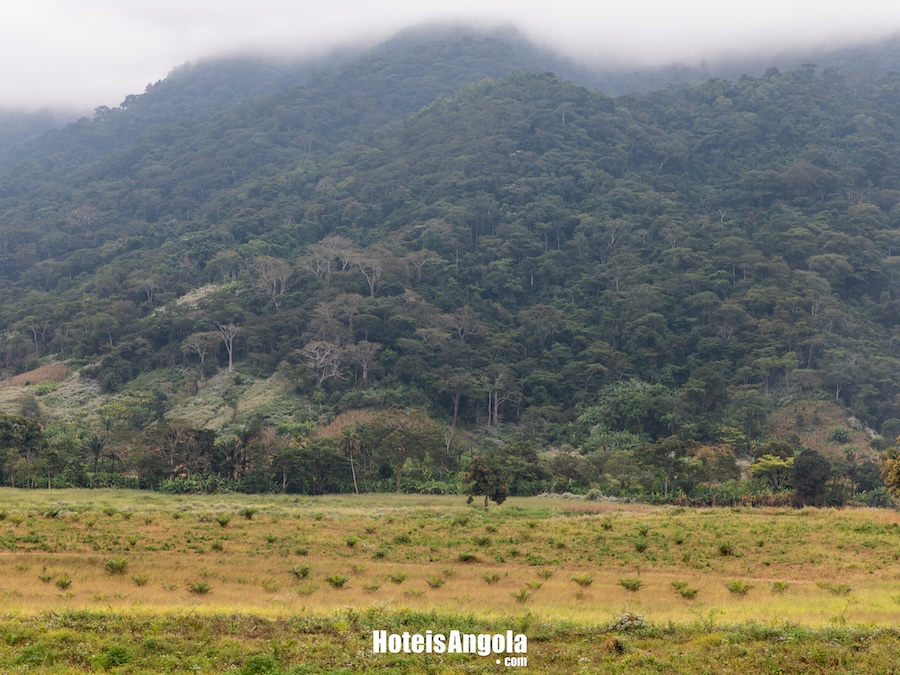
Cuanza Sul
Cumbira Forest
the Angolan sanctuary where science discovered a new primate On the humid slopes of Cuanza Sul, an extraordinary forest survives, inhabited by some of the rarest birds in Angola and by a small nocturnal primate that received from this place

Bailundo
BIMBE MISSION - Our Lady of the Annunciation
The Catholic Mission of Bimbe, currently called Janjo, is geographically located to the north of Huambo Province in the Municipality of Bailundo 75 km from the municipal headquarters, in the Commune of Luvemba and from the provincial headquarters at 150 km, bordering Kwanza- Su
Bibala
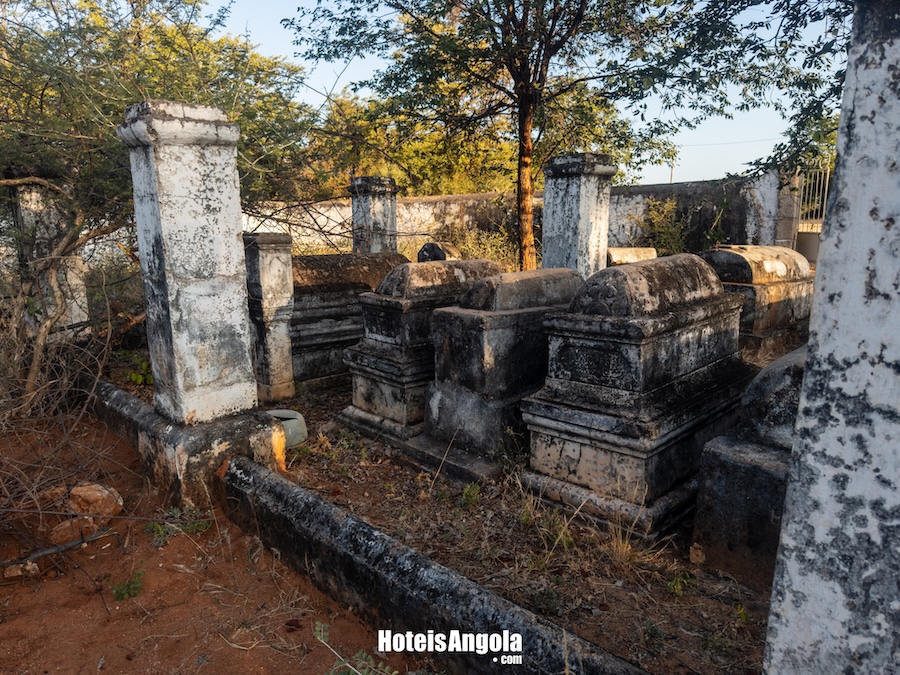
Cemitério de Kapangombe
Located at the foot of the majestic Serra da Chela, the Capangombe cemetery is an important testimony to the presence of the Boers in southern Angola. Their tombs, many of them built in stone and preserving typical characteristics of the ancient cities
Cuanza Sul
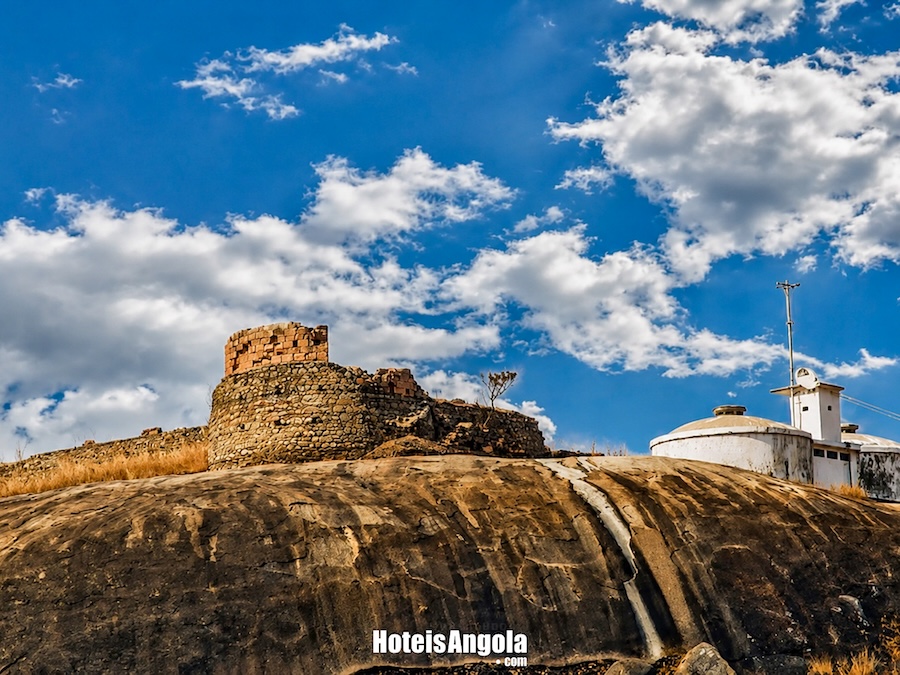
Quibala Fortress
Built in the late 19th century atop an imposing granite massif, the Quibala Fortress dominates the landscape and the town that grew at its feet.
Cuanza Sul
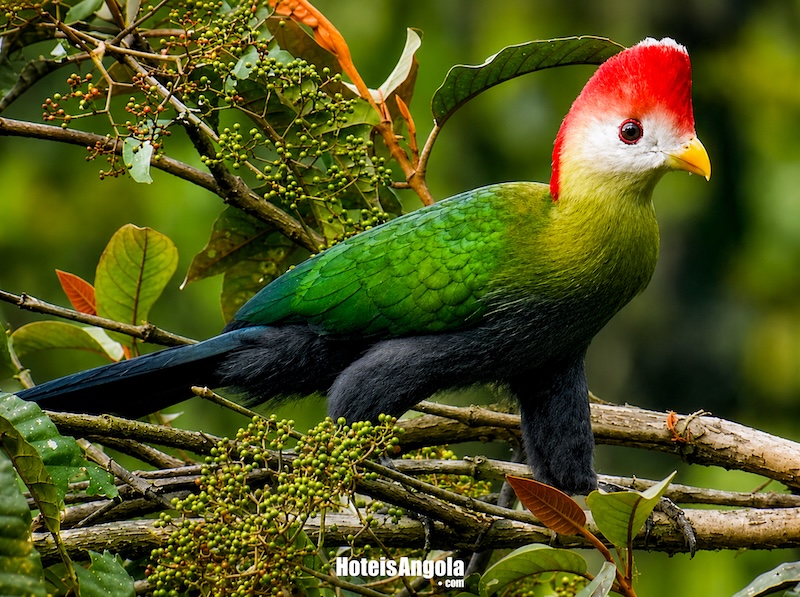
Tauraco erythrolophus
the colors of the forest
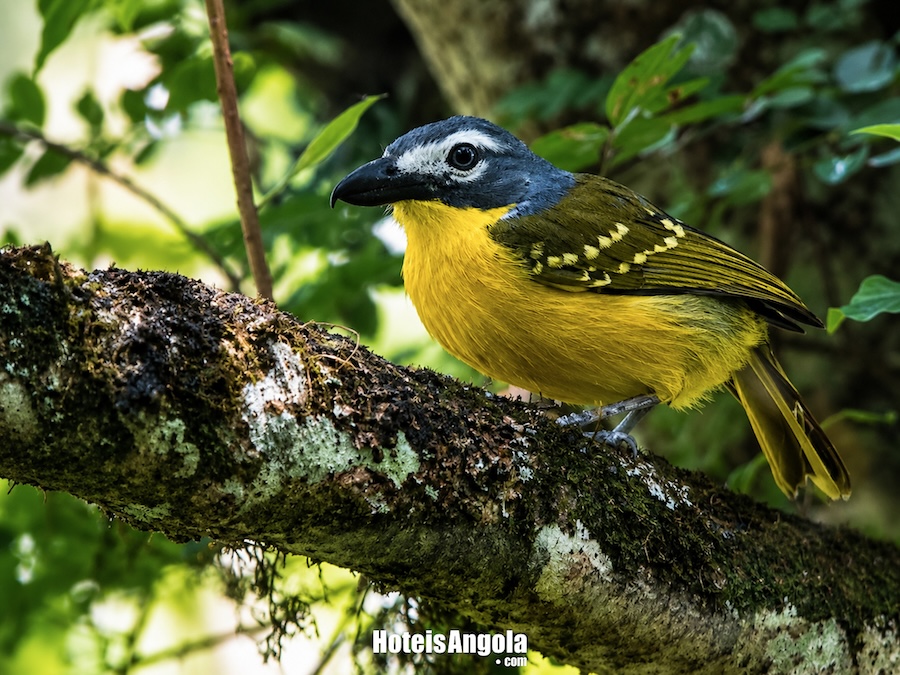
Cuanza Sul
Picanço-de-Monteiro
a bird that only exists in a small region
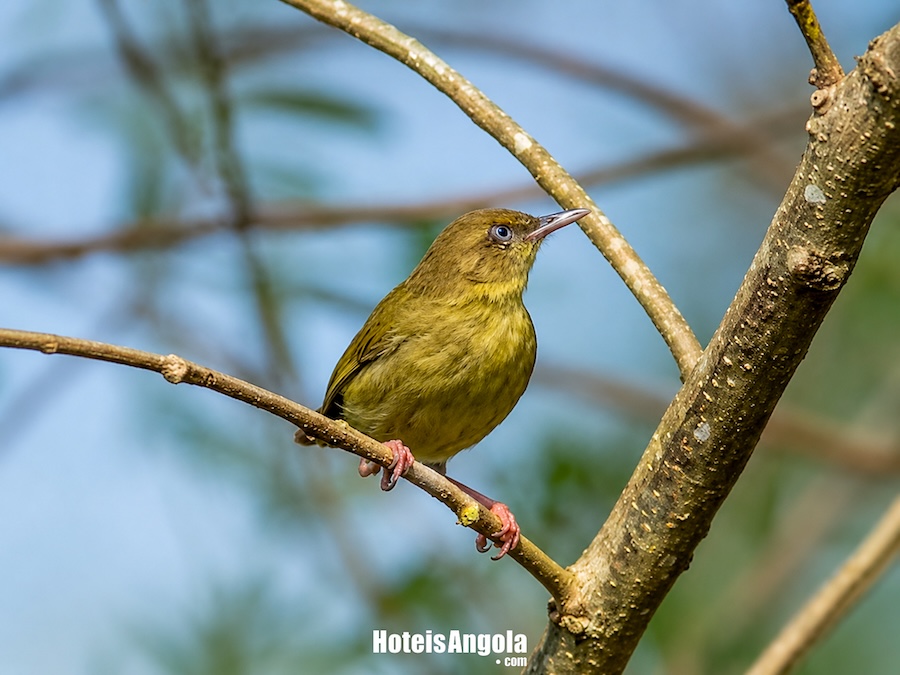
Cuanza Sul
Bico longo de Pulitzer
an understory rarity
Over the years, the date has been marked by different initiatives in various parts of the country, including official ceremonies, wreath-laying ceremonies, exhibitions, lectures, cultural activities and moments of reflection on the life and work of the country's first President.
These initiatives help to keep an important part of Angola's contemporary history alive and allow different generations to gain a better understanding of the events, personalities and contexts that shaped the country's path towards independence.
The importance of memory and historical heritage;
Beyond its political and historical dimension, an occasion such as 17 September is also linked to the preservation of Angola's collective memory and historical and cultural heritage.Monuments, sculptures, museums, historic sites, archives, literary works and other places of memory bear witness to different periods of the country's history.
Their preservation ensures that these elements remain accessible to present and future generations.
Cultural and historical tourism finds in this heritage an important source of knowledge about the country.
Getting to know Angola also means understanding its history, recognising the places and figures associated with significant events and valuing the cultural expressions that form part of the national identity.
In this sense, national commemorative dates can provide privileged opportunities to awaken interest in the history and heritage of Angola's different regions.
+ Info news article
-
 The Huíla Tourist Map project was presented on September 15th, in the Huíla Provincial Government Auditorium, in a session dedicated to sharing the work developed and collecting contributions for i...
 -
 Hotels bear commissions on funds allocated to the State, while tourists are forced to look for cash, facing discomfort and possible security risks.
 -
 O turismo angolano encontra-se num momento decisivo. Nos últimos anos foram alcançados alguns progressos, mas continuam a existir desafios estruturais que condicionam a competitividade do sector e ...
 -
 A entrada em vigor da Contribuição Especial para o Turismo, correspondente a 5% sobre as estadias de turistas internacionais, continua a levantar inúmeras dúvidas entre hotéis, aparthotéis, pousada...
 -
 The project aims to provide visitors with essential information about the territory's main attractions.
Newsletter - Promotions and highlights in your email
Invalid e-mail address
Please wait...
Support Line
 WhatsApp
 Telephone
 Email
Email
Available every day from 8:00 AM to 10:00 PM. Allows you to clarify doubts, support reservations, and guide you in choosing the best accommodation and tourist services.