- Hotels
- Rent-A-Car
- Routs
The land that does not present itself
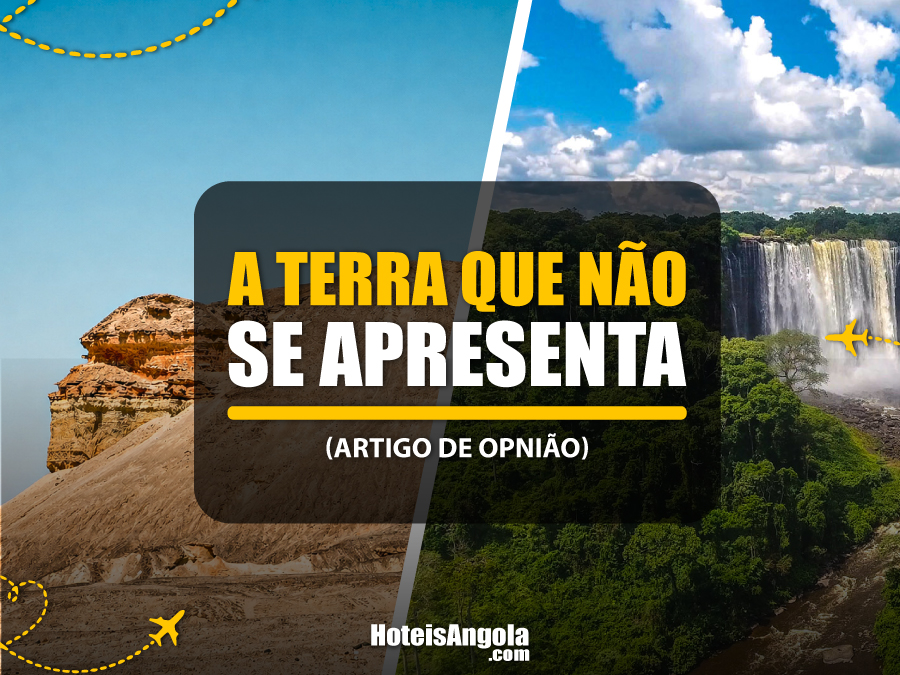
A sign is missing, a caption is missing, a clear indication of the path is missing. A small panel explaining what is being seen is missing. A map is missing, a safety warning is missing, a minimum structure is missing that tells the tourist: “You are facing something important.”
Organized Itineraries and Guided Tours

Climbing in the Serra da Leba
Challenge your limits and discover the Serra da Leba through a unique climbing experience in Angola.

Diving in Caotinha
Discover the secrets of the sea in Caotinha and immerse yourself in one of the most fascinating expe...

Sunset in Luanda Bay
Enjoy a catamaran tour of Luanda Bay at sunset and let yourself be enveloped by the magic of the sea...

Tourist Tour of the City of Lubango
Discover Lubango through a historical tour and immerse yourself in the stories, culture, and identit...

Boat trip in Lobito Bay
Discover the city of Lobito from a unique perspective with this tour of its stunning bay, one of Ang...

Old Benguela
Discover Benguela through a historical tour and immerse yourself in the stories that gave life to th...
Angola does not suffer from a lack of beauty; it suffers from a lack of organization and continuity. We have destinations with potential, but without minimum services. We have heritage, but without a visible tourism policy on the ground.
A lost tourist is not just someone without direction. It is a lost opportunity. An opportunity to generate income for local communities, to value guides, to encourage small businesses, to create jobs, to increase visitor stay and to transform natural beauty into an organized economy.
A tourist sign may seem like a small thing. But it is not. A sign informs, guides, educates, protects, adds value. It says that place matters. It says that someone thought about it. It says there is public responsibility and respect for collective memory.
The same applies to digital maps, QR codes with tourist information, provincial itineraries, support points, restrooms, marked parking, safety warnings and the training of local guides. Tourism is not made only with landscapes. It is made with systems.
DIY Itineraries

Luanda Historical and Cultural Tour

Wonders of the Desert Itinerary

Huila Wonders Tour

Itinerary from Menongue to Lubango

Cuito Cuanavale itinerary

Saco Mar itinerary

Moçâmedes Basic Route

Basic Caotinha Route

Huambo Basic Route

Lubango Basic Route

Wonders of Malanje Tour

Beaches in the South of Benguela

Catumbela itinerary

Dombe Grande itinerary

Benguela City Tour

Conda's itinerary

Itinerary to Egypt Beach

Lobito City Tour

Route from Huila to Chibia

Humpata itinerary
There are countries with less natural beauty than Angola, such as the neighboring country Namibia, that manage to attract more visitors because they have learned to tell their story better. They organized routes, signposted locations, created itineraries, trained guides, produced maps, protected sites, fauna, flora and gave dignity to the tourism experience.
We do the opposite: we have enormous unorganized potential.
And perhaps that is the greatest pain. It is not just the lack of signs. It is the feeling that we have not yet learned to look at our own heritage with the value it deserves. As if beauty were there to be discovered by chance, and not to be cared for with intention.
The tourist who travels along our roads ends up becoming an amateur archaeologist. They search for paths, ask for names, try to discover stories, interpret incomplete signs and dig where they should find guidance.
Identifying a tourist site is more than placing a sign on the road. It is recognizing value, creating belonging, educating citizens, attracting investment, protecting heritage and telling the world: this place is part of us.
Angola has landscapes that deserve to be seen. But above all, it has stories that deserve to be told. And as long as our destinations continue without visible names, without explanation, without protection and without guidance, we will continue to be a beautiful land that, before the visitor, has not yet learned how to present itself.
By Dorix A. Raimundo
Dorix Raimundo
+ Traveler Article
-
 Hunting activity generates extreme opinions, but, when properly regulated and based on scientific criteria, it can help finance conservation, control animal populations and preserve natural areas a...
 -
 The second largest hotel market in Angola brings together an international airport, port, railway, beaches and thousands of jobs, but remains outside of some of the main structural investments in n...
 -
 When, once again, the Rovos Rail train arrives in Lobito, after a journey that connects Dar es Salaam to Lobito, we are forced to ask a simple question: after all, what tourism are we truly buildin...
 -
 Between the announced growth, the reality of entries into the country and the structural challenges of Angolan tourism
 -
 The 5% tax on foreigners' stays: another cost for tourism that still needs bases
Newsletter - Promotions and highlights in your email
Support Line
 WhatsApp
 Telephone
 Email
Email
Available every day from 8:00 AM to 10:00 PM. Allows you to clarify doubts, support reservations, and guide you in choosing the best accommodation and tourist services.