- Hotels
- Rent-A-Car
- Routs
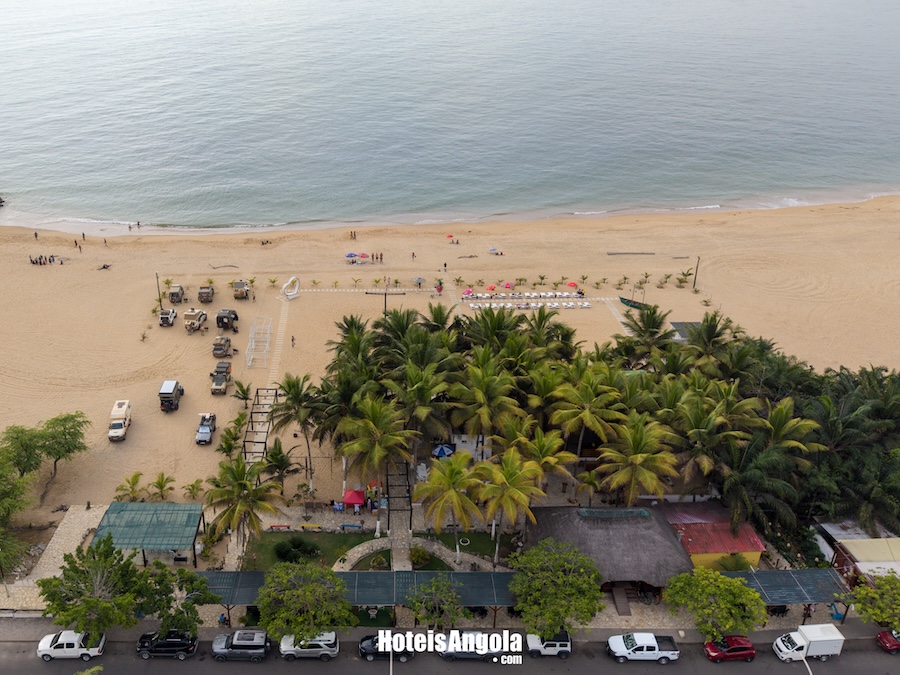
In Angola today, there is a reality that deserves to be analyzed seriously. In some segments, there is clearly a growing tourist demand. The problem is that, in many cases, this demand arises in a disorganized, poorly structured way and without generating the economic impact it could generate.
When talking about tourism, people often look only at hotels, resorts or traditional reserves. But there is a growing movement linked to overland tourism, camping and independent travelers who cross entire countries in vehicles prepared for long journeys.
Angola is already on the map of overlanders
Just look at the number of vehicles entering through our borders from Namibia, South Africa and other regional markets.
These are vehicles equipped with tents, motorhomes, mobile kitchens, autonomous energy and water systems, prepared to travel for weeks.
These travelers seek beaches, mountains, deserts, local culture and authentic experiences. They travel across several provinces, cover hundreds of kilometers and visit some of the most remarkable points in Angola.
In other words, the demand exists.
Organized Itineraries and Guided Tours

Climbing in the Serra da Leba
Challenge your limits and discover the Serra da Leba through a unique climbing experience in Angola.

Diving in Caotinha
Discover the secrets of the sea in Caotinha and immerse yourself in one of the most fascinating expe...

Sunset in Luanda Bay
Enjoy a catamaran tour of Luanda Bay at sunset and let yourself be enveloped by the magic of the sea...

Tourist Tour of the City of Lubango
Discover Lubango through a historical tour and immerse yourself in the stories, culture, and identit...

Boat trip in Lobito Bay
Discover the city of Lobito from a unique perspective with this tour of its stunning bay, one of Ang...

Old Benguela
Discover Benguela through a historical tour and immerse yourself in the stories that gave life to th...
The problem is that this demand is not organized
Most of these travelers bring all the necessary logistics and, therefore, do not always use hotels or traditional accommodations.
In practice, there is tourist movement, circulation, occasional consumption, but there is a lack of structure to transform this presence into consistent economic impact.
And the problem worsens because Angola still lacks an organized network of campsites, caravan areas and properly prepared zones to receive this segment.
The result is improvisation
In the absence of adequate solutions, many visitors resort to wild camping, setting up on beaches, viewpoints or isolated areas, sometimes without control and without minimum conditions.
In other cases, they request informal permission from private spaces to park and stay overnight.
This creates constraints related to safety, hygiene, waste, spatial planning and local coexistence.
Good examples show the way
Despite this, Angola already has positive references.
Restinga do Lobito: Alfa Beach Bar has become a national reference in supporting travelers and caravan tourism.
With public restrooms, showers, security and a privileged location by the sea, the space receives dozens of vehicles weekly that stop there to rest and enjoy the landscape.
This case shows something simple: when conditions exist, demand appears.
Moçâmedes: Another important example emerges in Moçâmedes, where the new city campsite is in the final phase of construction.
It is a strategic infrastructure to attract regional visitors and strengthen the tourism positioning of Namibe province.
DIY Itineraries

Luanda Historical and Cultural Tour

Wonders of the Desert Itinerary

Huila Wonders Tour

Itinerary from Menongue to Lubango

Cuito Cuanavale itinerary

Saco Mar itinerary

Moçâmedes Basic Route

Basic Caotinha Route

Huambo Basic Route

Lubango Basic Route

Wonders of Malanje Tour

Beaches in the South of Benguela

Catumbela itinerary

Dombe Grande itinerary

Benguela City Tour

Conda's itinerary

Itinerary to Egypt Beach

Lobito City Tour

Route from Huila to Chibia

Humpata itinerary
Digital also matters
Today, the overlander community uses specialized international applications to decide routes, stopping points, refueling, safety and camping areas.
These platforms influence thousands of travelers worldwide.
And Angola already appears on these routes.
This means that any well-organized, safe and functional space can quickly gain international visibility through travelers’ own reviews.
In other words, digital information is also tourism infrastructure.
It’s not just for foreigners
It is important to make it clear that campsites and organized areas should not be designed only for foreign visitors.
They should also serve young Angolans, families, school groups, nature lovers and national camping enthusiasts.
They can support holiday camps, youth tourism, outdoor events and new forms of domestic leisure.
What Angola needs to do
Angola needs to start identifying strategic areas for camping and caravan tourism along the main tourist and road corridors.
These spaces must ensure safety, water, restrooms, showers, waste collection, lighting and functional parking areas.
Whenever possible, they should also integrate small restaurants, local commerce, handicrafts and basic services.
In this way, part of the money from these travelers stays within the country and generates real opportunities for communities.
Turning movement into value
The demand exists. Travelers are entering, moving around and discovering Angola.
What is missing is transforming this spontaneous demand into organized, sustainable and economically useful value.
If we do not create structure, we will continue to see movement without real impact.
If we organize it well, Angola can open a new front of tourism growth, modern, intelligent and aligned with international trends.
Because, in this case, the challenge is not attracting demand.
The demand has already arrived. Now it is necessary to know how to receive it.
Author:
Jorge Nunes
www.hoteisangola.com
933250105
+ Traveler Article
-
 Hunting activity generates extreme opinions, but, when properly regulated and based on scientific criteria, it can help finance conservation, control animal populations and preserve natural areas a...
 -
 The second largest hotel market in Angola brings together an international airport, port, railway, beaches and thousands of jobs, but remains outside of some of the main structural investments in n...
 -
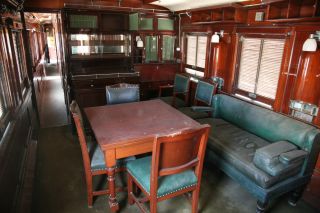 When, once again, the Rovos Rail train arrives in Lobito, after a journey that connects Dar es Salaam to Lobito, we are forced to ask a simple question: after all, what tourism are we truly buildin...
 -
 Between the announced growth, the reality of entries into the country and the structural challenges of Angolan tourism
 -
 The 5% tax on foreigners' stays: another cost for tourism that still needs bases
Newsletter - Promotions and highlights in your email
Support Line
 WhatsApp
 Telephone
 Email
Email
Available every day from 8:00 AM to 10:00 PM. Allows you to clarify doubts, support reservations, and guide you in choosing the best accommodation and tourist services.