- Hotels
- Rent-A-Car
- Routs
While Rovos Rail enchants Angola, Benguela continues to abandon its own history
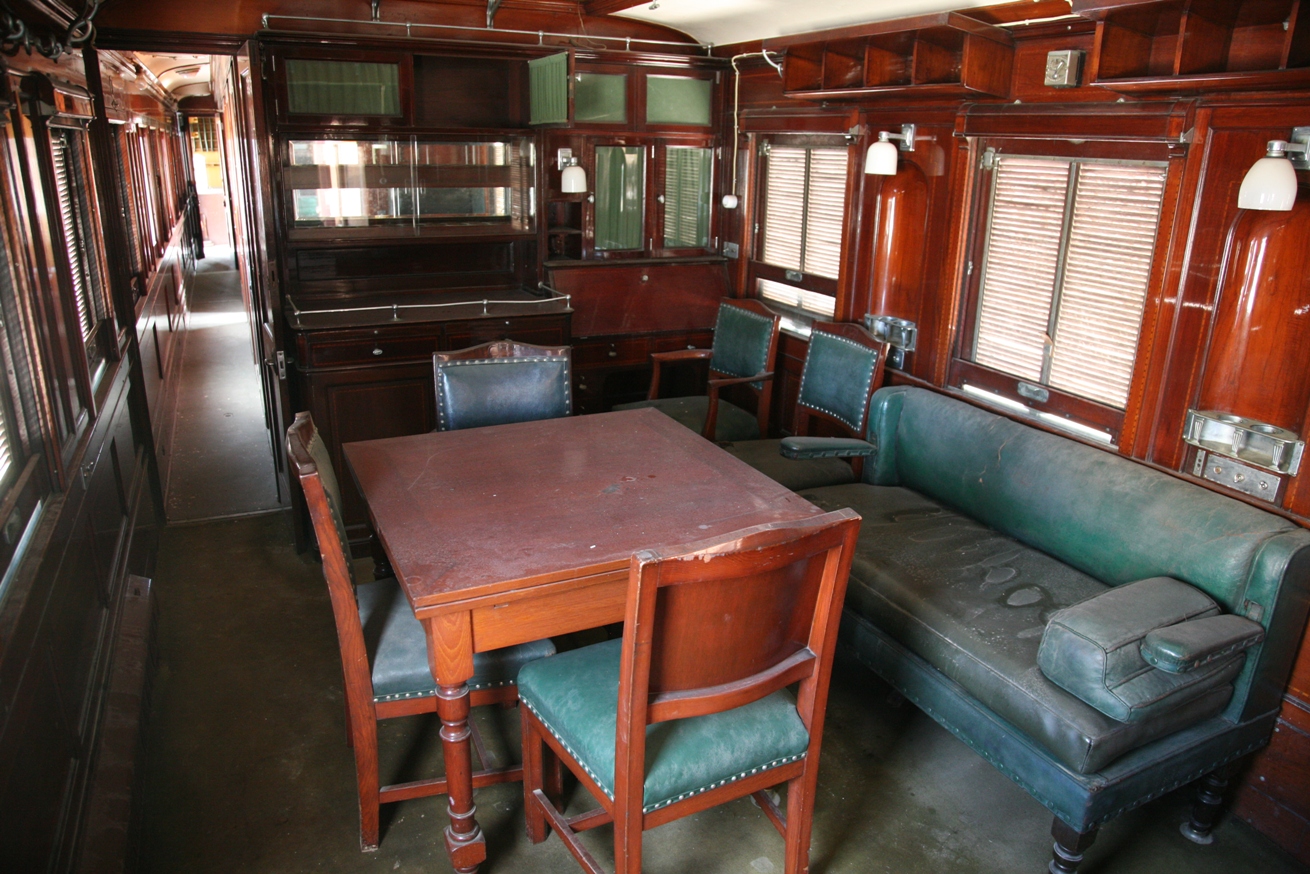
We constantly hear about tourism, promotion, strategies and development. Yet, when we look at what truly sets a destination apart, it becomes clear that Angola continues to waste some of its greatest tourism assets.
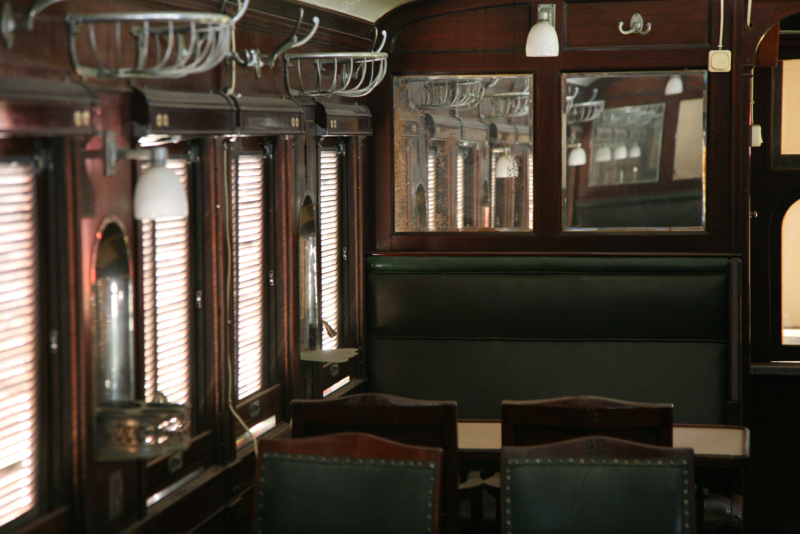
Benguela Once Had a Truly Unique Tourism Product
The province of Benguela, and particularly the city of Lobito, was one of the first places in Angola to attract international cruise ships. This was no coincidence.The tourism product already existed. It was not only the Port of Lobito, the Restinga, the historic buildings, the beaches, Catumbela or the city of Benguela itself. It was the combination of experiences that made this region truly unique.
Visitors arriving by sea could discover a destination where railway heritage played a central role, complementing the province's historical, cultural and natural attractions.
For many years, cruise passengers eagerly left their ships to explore the region. Benguela offered something very few African cities could provide: the living history of the Benguela Railway.
A Railway Heritage Almost Forgotten
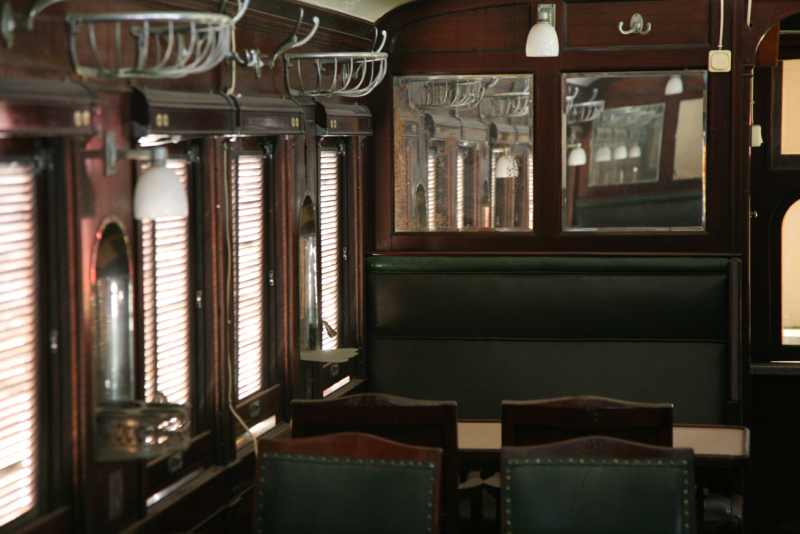
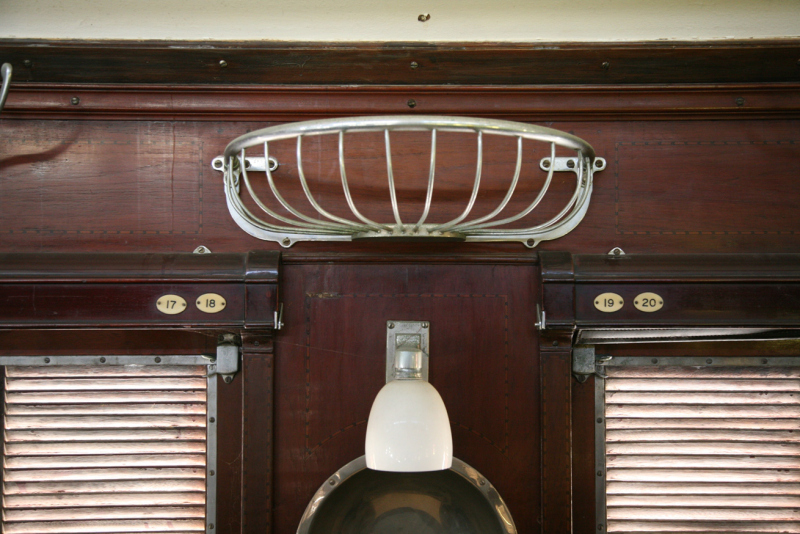
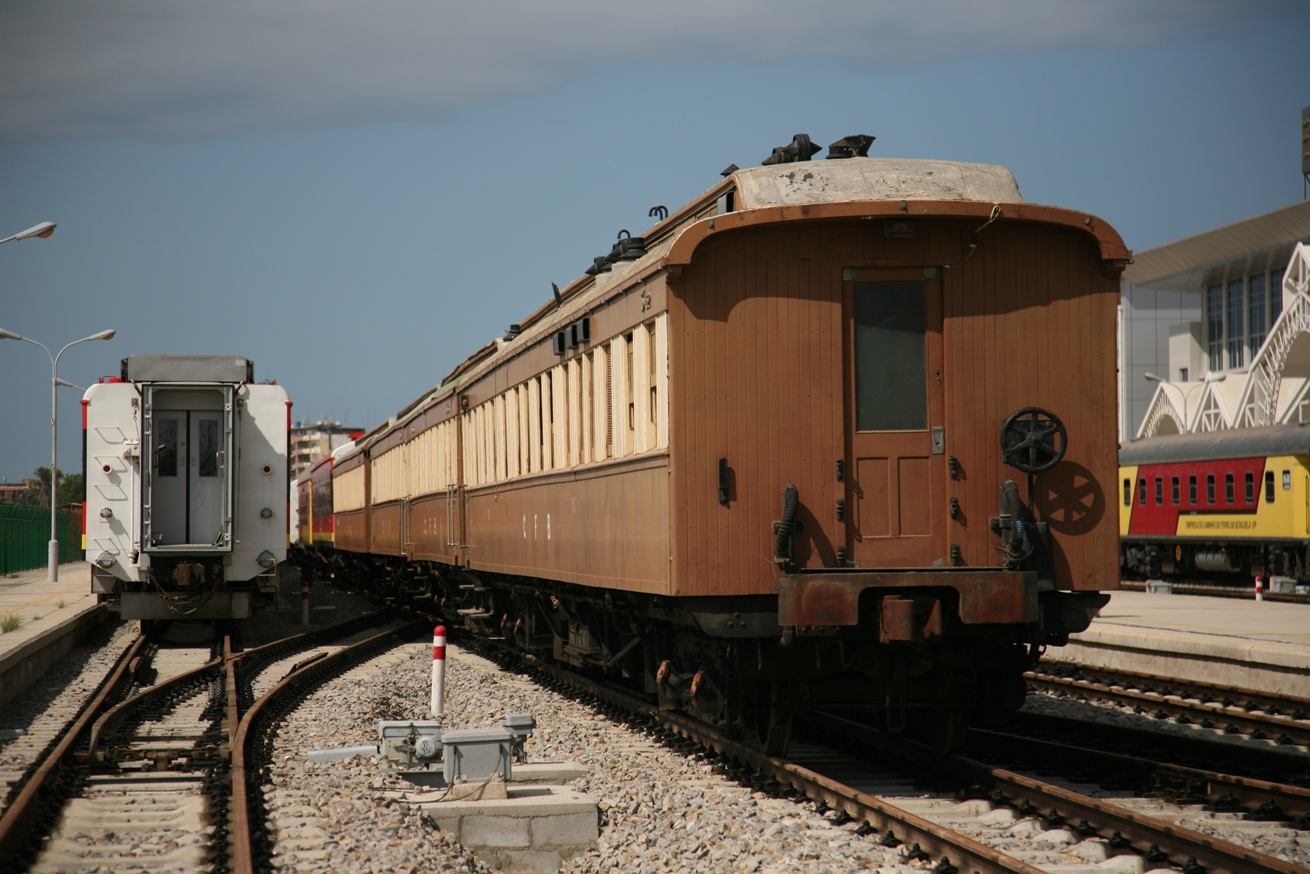
This is precisely where Benguela has lost an extraordinary opportunity.While the Rovos Rail travels across Africa using beautifully restored coaches from the 1960s, offering one of the world's most prestigious luxury rail experiences, the Benguela Railway still owns historic coaches dating back to 1927.
Coaches that are far older.
Coaches that are part of Angola's own history.
Coaches that could have become one of Benguela Province's greatest tourism icons.
Instead, they remain abandoned, hidden away and slowly deteriorating.
When these coaches were withdrawn from service, the Benguela Railway itself announced that they would be sent to South Africa for restoration.
Time passed.
Decades passed.
Yet what could today be a living railway museum, an internationally recognised heritage train or one of Angola's flagship tourism products has simply been forgotten.
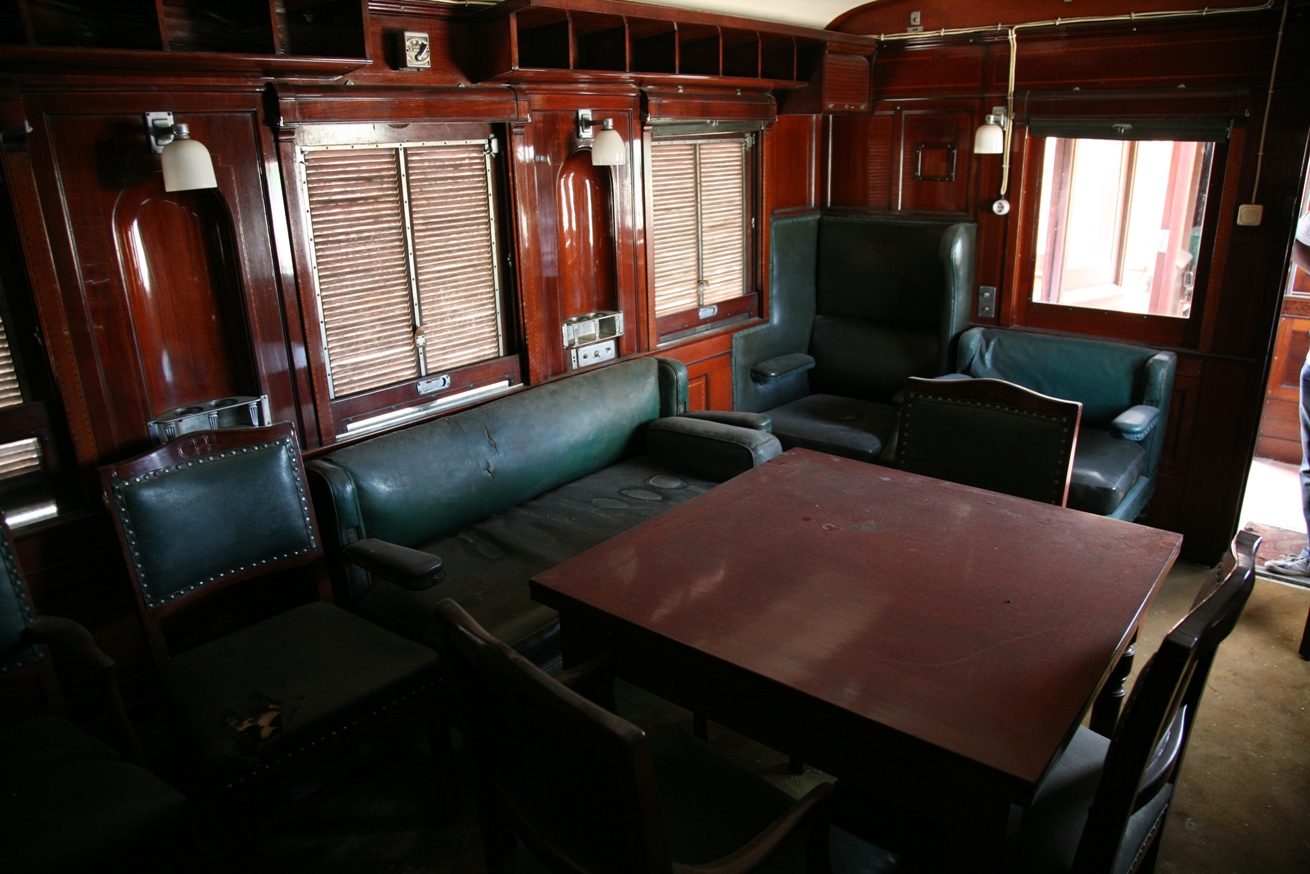
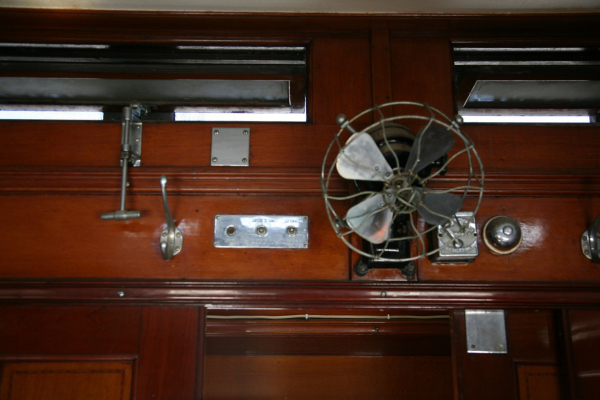
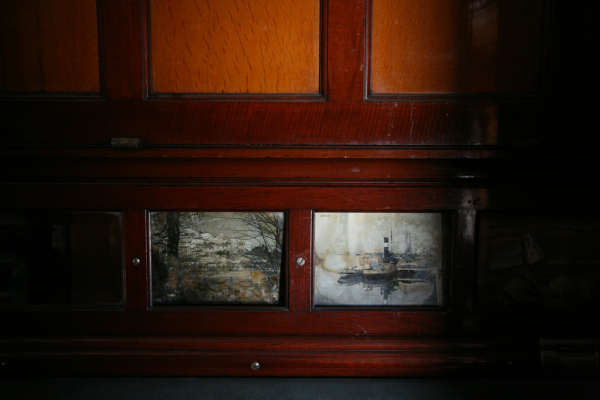
When Heritage Is Abandoned, Tourism Is Lost
With this neglect, Benguela has also lost.It has lost part of its appeal to international cruise operators.
It has lost visitors.
It has lost economic opportunities.
It has lost a unique competitive advantage that no marketing campaign can ever replace.
Tourism is not built through advertising campaigns alone.
Tourism is built by creating products.
It is built by preserving what nobody else has.
It is built by telling stories.
Few stories are as significant to Angola as that of the Benguela Railway, an infrastructure that connected the Atlantic Ocean to the heart of Africa, boosted international trade and profoundly shaped the economic development of the region.
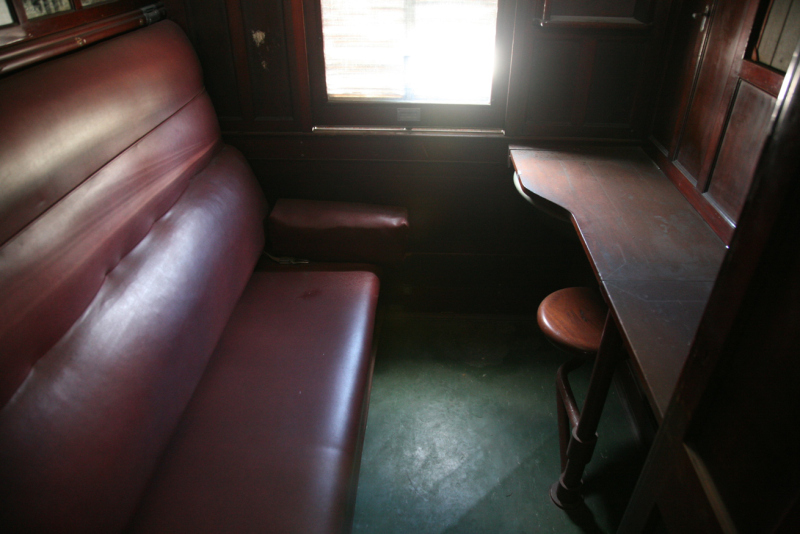
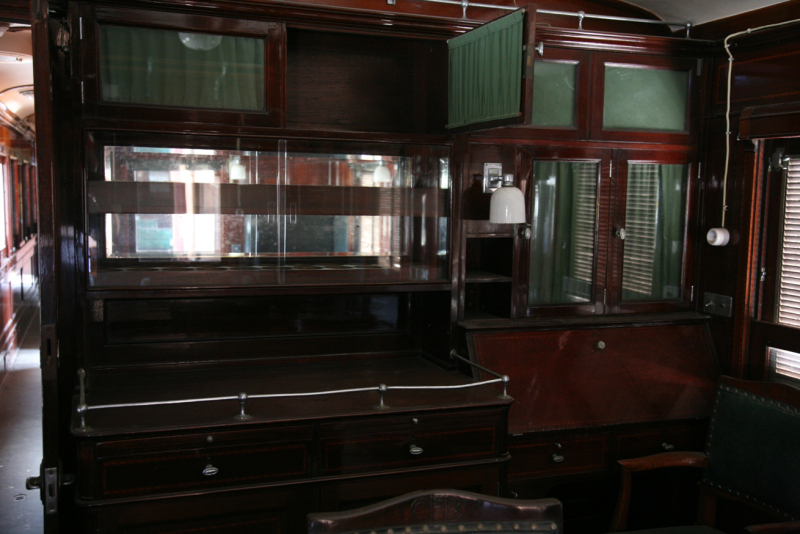
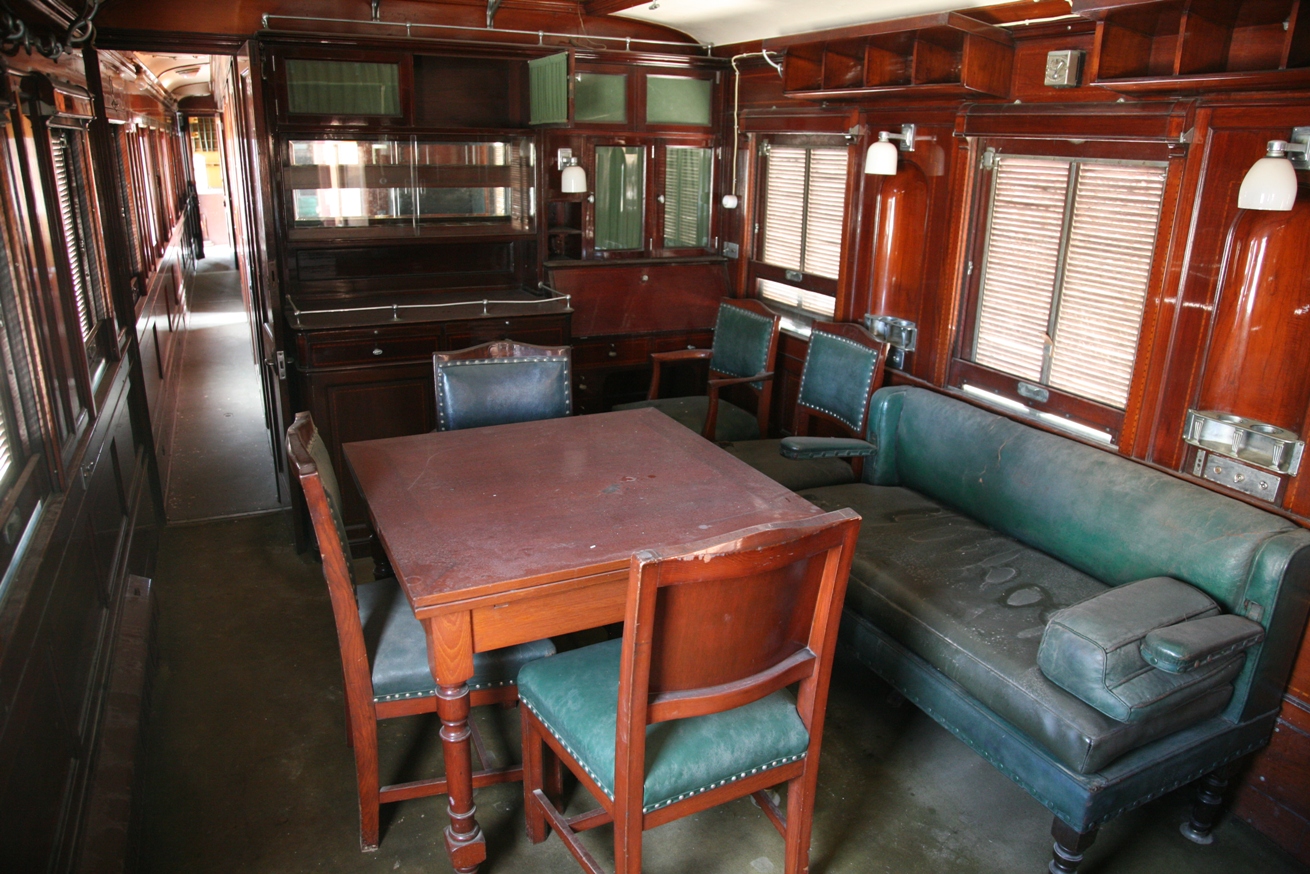
Tourism Means Transforming Heritage into Experiences
Unfortunately, it often seems that we are doing everything possible to forget this history.Not because it has lost its importance.
But because we still fail to fully understand what tourism really is.
Tourism is not simply about building hotels.
Tourism is not simply about organising events.
Tourism is about transforming heritage into unforgettable experiences.
It is about inspiring visitors to travel thousands of kilometres to experience something they cannot find anywhere else in the world.
As we rightly celebrate the arrival of the Rovos Rail in Lobito, perhaps this is also the moment to reflect.
How is it possible that we admire a foreign historic train while continuing to neglect an even older railway heritage that belongs to us?
How is it possible that we value the history of others while ignoring our own?
Benguela Still Has Time
Sadly, Benguela is once again losing an opportunity.And it is not only Benguela that loses.
Angola loses.
Every abandoned railway coach represents a missed tourism opportunity.
Every passing year represents visitors who will never come.
Every postponed decision moves us further away from turning the Benguela Railway into one of Africa's greatest railway tourism attractions.
There is still time to change this course.
But first, we must understand that preserving heritage is not an expense.
It is an investment.
It creates wealth, identity and distinction.
Above all, it recognises that Angola's history should not remain hidden away in a railway yard when it could instead travel the world as one of the country's greatest ambassadors for tourism.
Opinion article by: Jorge Nunes
+ Traveler Article
-
 Hunting activity generates extreme opinions, but, when properly regulated and based on scientific criteria, it can help finance conservation, control animal populations and preserve natural areas a...
 -
 The second largest hotel market in Angola brings together an international airport, port, railway, beaches and thousands of jobs, but remains outside of some of the main structural investments in n...
 -
 When, once again, the Rovos Rail train arrives in Lobito, after a journey that connects Dar es Salaam to Lobito, we are forced to ask a simple question: after all, what tourism are we truly buildin...
 -
 Between the announced growth, the reality of entries into the country and the structural challenges of Angolan tourism
 -
 The 5% tax on foreigners' stays: another cost for tourism that still needs bases
Newsletter - Promotions and highlights in your email
Invalid e-mail address
Please wait...
Support Line
 WhatsApp
 Telephone
 Email
Email
Available every day from 8:00 AM to 10:00 PM. Allows you to clarify doubts, support reservations, and guide you in choosing the best accommodation and tourist services.