- Hotels
- Rent-A-Car
- Routs
Mbali Art
Namibe's deep heritage
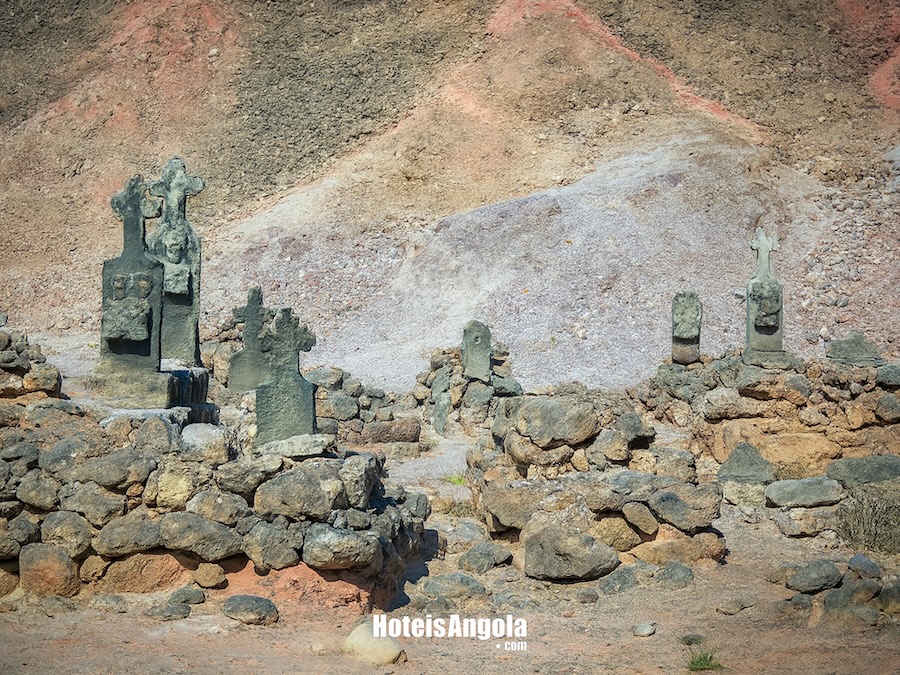
Few territories in Angola preserve an artistic expression as singular as Namibe. Between Moçâmedes and Bentiaba lies Mbali art, also recorded as Mbari, a funerary tradition that transforms memory into an artistic object and places this region at the highest level of African anthropology. Here, art does not merely represent death: it interprets it, ritualizes it, and returns it to the community as an identity symbol.
Mbali art emerged in the 19th century, linked to the quimbares or mbalis, groups deeply shaped by Atlantic exchanges between Angola and Brazil. Arriving in southern Angola during a time of intense human and cultural circulation, many of these Afro-descendants from Recife brought visual languages, Christian practices, and funerary forms that merged with African cosmologies concerning ancestors. The result of this encounter was not mere imitation: it was creation. The municipal cemetery, conceived according to European models, was reinterpreted through local logics, and from this intersection the Mbali grammar was born.
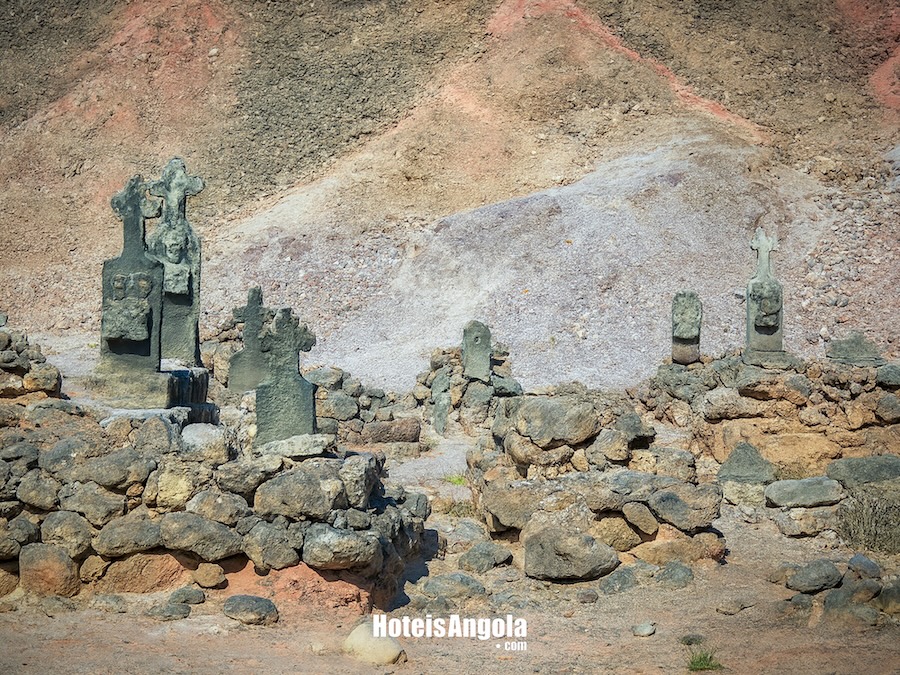
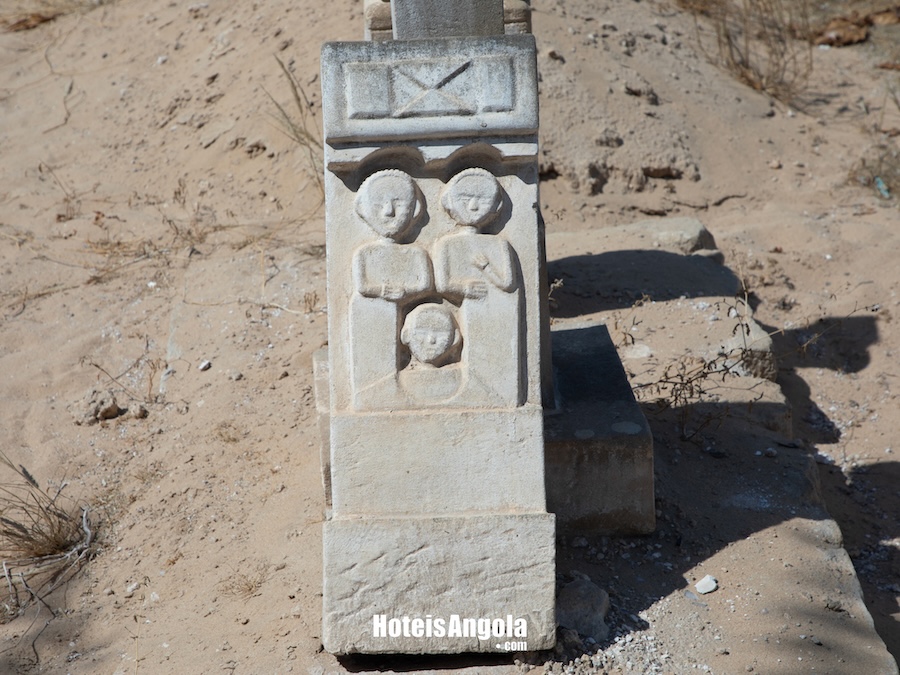
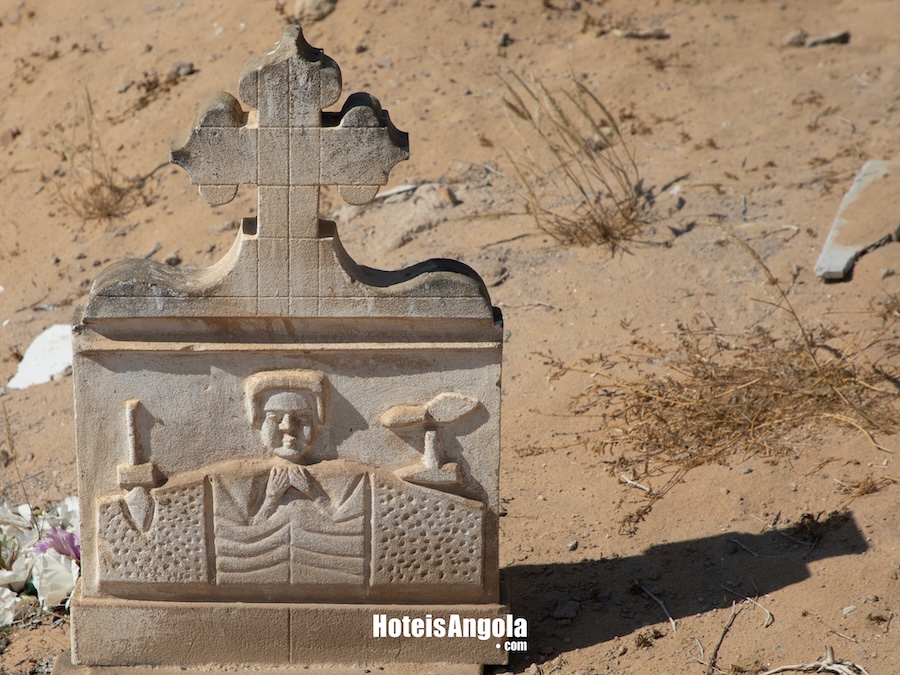
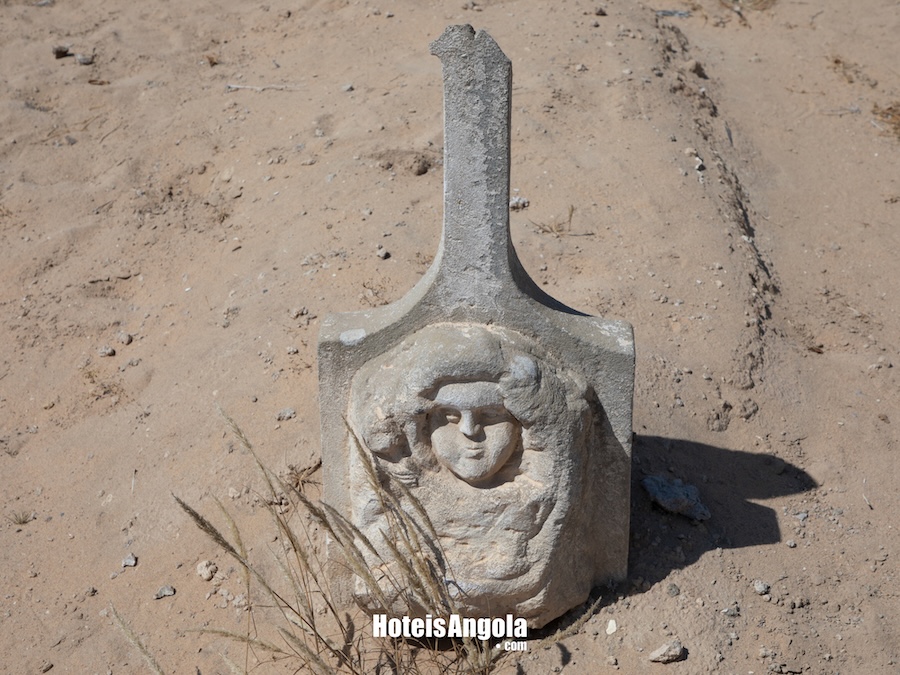
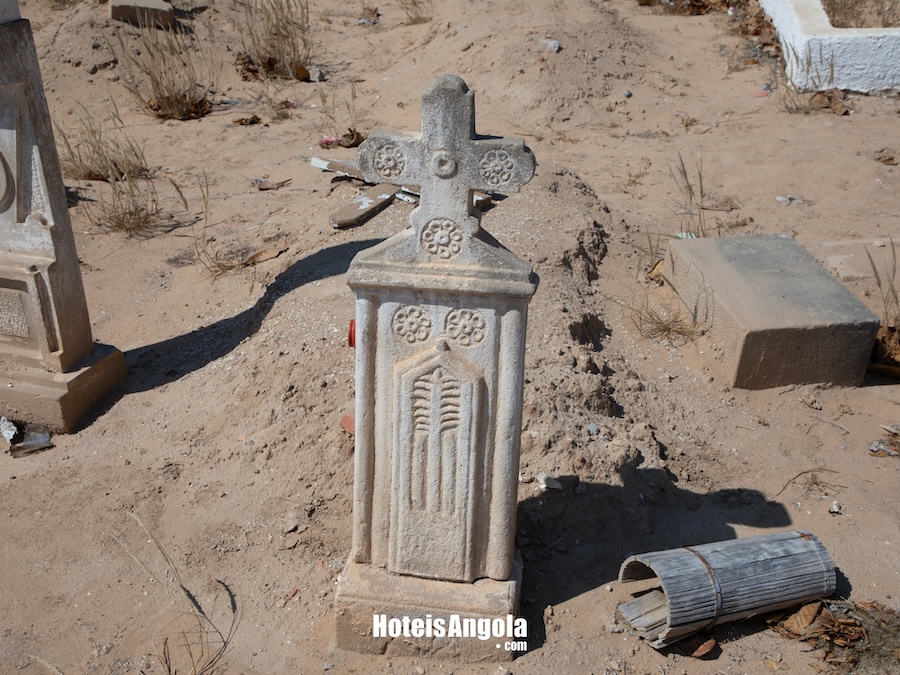
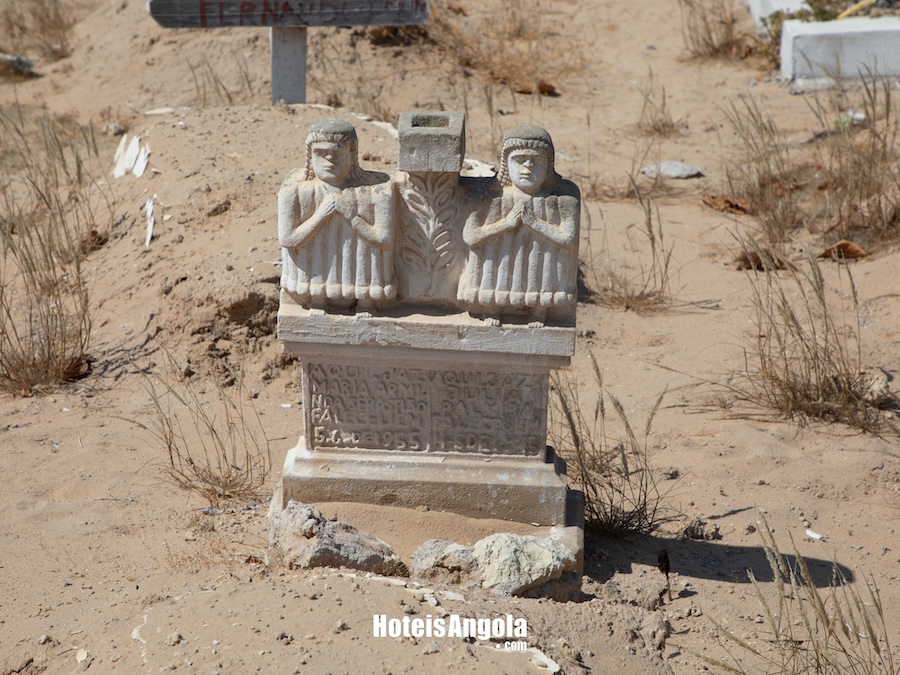
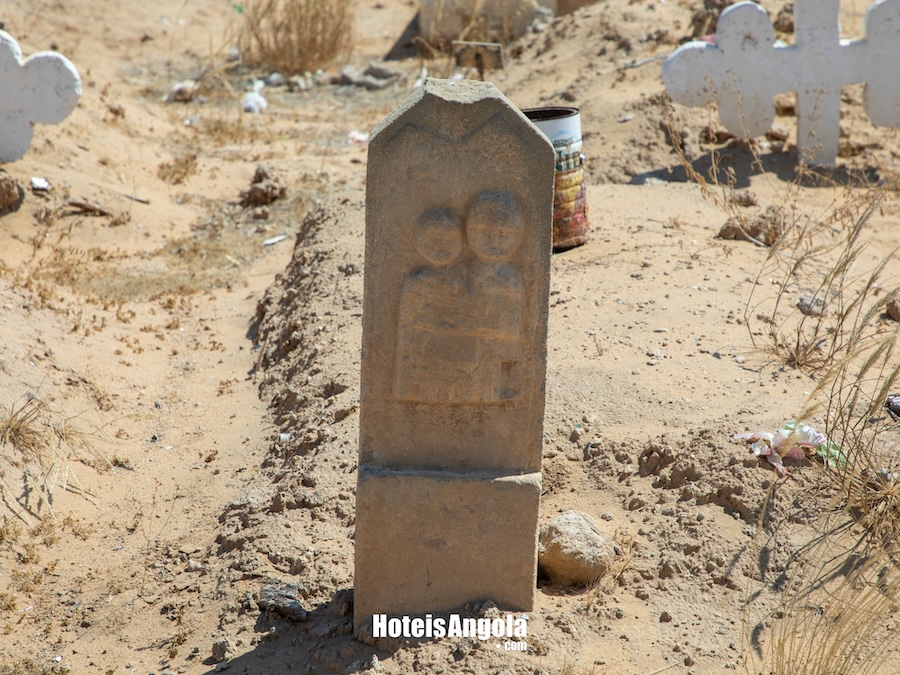
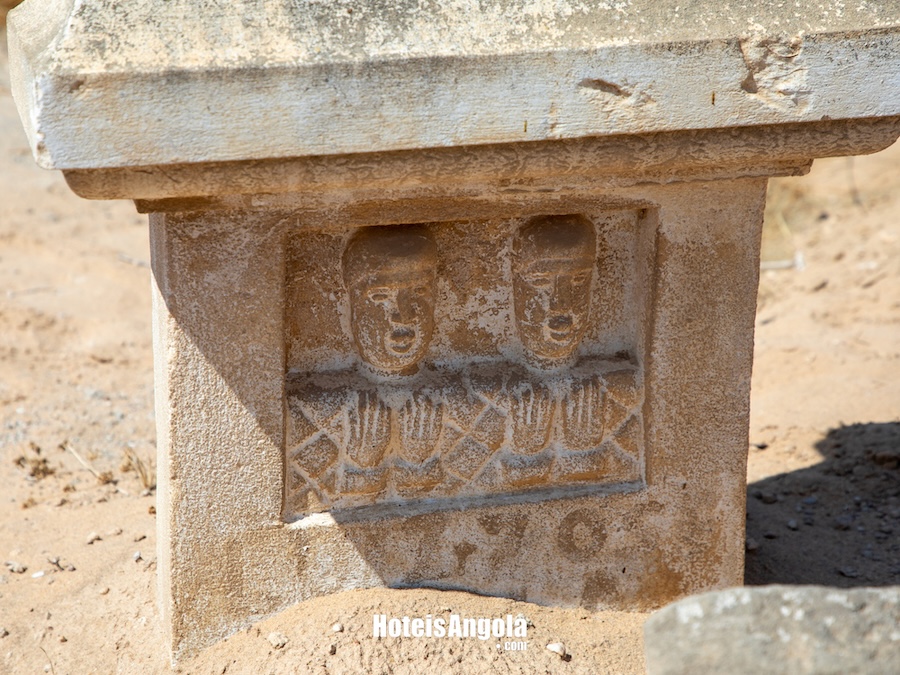
Mbali funerary crosses and stelae are made of local stone, carved wood, or reinforced concrete. Placed on graves about a year after death, they fulfill three fundamental functions: to appease the spirit, to identify who rests there, and to honor memory. Each piece is a materialized biography. Faces, animals, work tools, balls, pipes, even the representation of the snake that bit the deceased. Nothing is decorative; everything is memory. Each grave tells a life story.
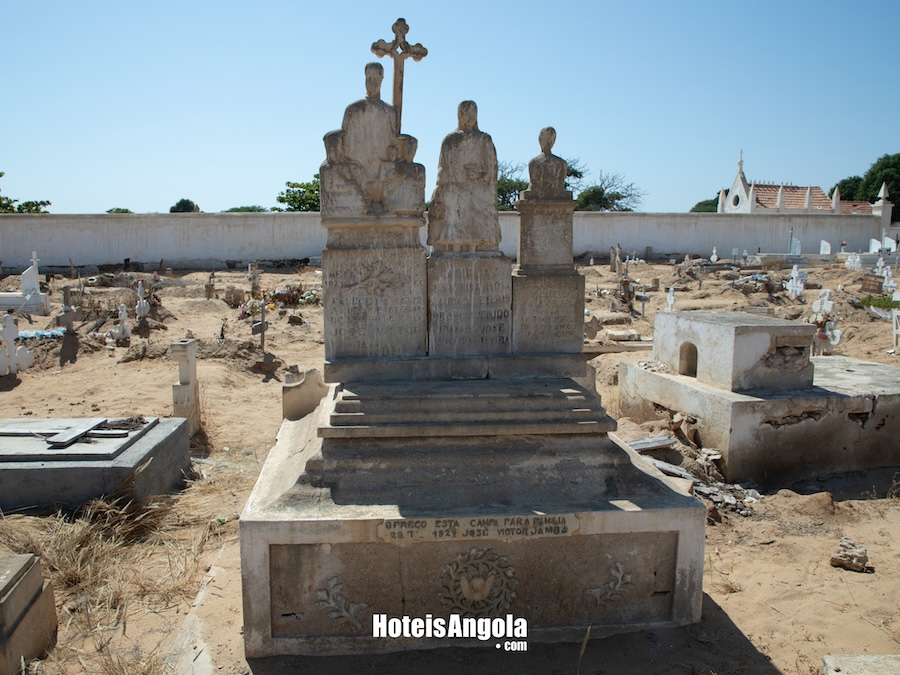
The Moçâmedes cemetery is the great open-air gallery of this tradition. There, the formal and symbolic variety is vast: simple crosses coexist with anthropomorphic pieces and figurative sculpture. This is not ornamentation, but a narrative system that transforms the cemetery into a historical-visual archive. Researchers warn, however, of the degradation of pieces, the progressive loss of examples, and the urgency of inventory and preservation. Mbali art is living heritage, but vulnerable.
In Bentiaba, this tradition takes on yet another layer. The commune, marked by the former São Nicolau prison and the memory of political prisoners, holds a Mbali cemetery where art intersects with pain and resistance. There, memories of slavery, colonization, punishment, and recent violence overlap. Visiting Bentiaba is not merely aesthetic contemplation; it is contact with a place that demands silence, respect, and attentive listening. It is sensitive heritage, memory that cannot be reduced to a tourist attraction, but must instead be framed with context and mediation.
Academic interest in Mbali has grown, especially around pieces that were removed from the country and now form part of European collections. Restitution, musealization, and the impacts that the removal of this heritage has on the communities that produced it are under discussion. In parallel, contemporary artists from Namibe are once again using the crosses as creative references, proving that Mbali is not a tradition confined to the past, but a repertoire that continues to generate thought, critique, and expression.
There are themes that belong to a people and at the same time belong to the world. Mbali art is one of them. Namibe preserves one of the most powerful sculptural manifestations linked to the memory of the dead in Africa. Protecting it is a heritage duty, studying it is a historical responsibility, and valuing it is an act of recognition toward a territory that, silently, converses with centuries of pain, devotion, and beauty.
Mbali art emerged in the 19th century, linked to the quimbares or mbalis, groups deeply shaped by Atlantic exchanges between Angola and Brazil. Arriving in southern Angola during a time of intense human and cultural circulation, many of these Afro-descendants from Recife brought visual languages, Christian practices, and funerary forms that merged with African cosmologies concerning ancestors. The result of this encounter was not mere imitation: it was creation. The municipal cemetery, conceived according to European models, was reinterpreted through local logics, and from this intersection the Mbali grammar was born.
Mbali funerary crosses and stelae are made of local stone, carved wood, or reinforced concrete. Placed on graves about a year after death, they fulfill three fundamental functions: to appease the spirit, to identify who rests there, and to honor memory. Each piece is a materialized biography. Faces, animals, work tools, balls, pipes, even the representation of the snake that bit the deceased. Nothing is decorative; everything is memory. Each grave tells a life story.
The Moçâmedes cemetery is the great open-air gallery of this tradition. There, the formal and symbolic variety is vast: simple crosses coexist with anthropomorphic pieces and figurative sculpture. This is not ornamentation, but a narrative system that transforms the cemetery into a historical-visual archive. Researchers warn, however, of the degradation of pieces, the progressive loss of examples, and the urgency of inventory and preservation. Mbali art is living heritage, but vulnerable.
In Bentiaba, this tradition takes on yet another layer. The commune, marked by the former São Nicolau prison and the memory of political prisoners, holds a Mbali cemetery where art intersects with pain and resistance. There, memories of slavery, colonization, punishment, and recent violence overlap. Visiting Bentiaba is not merely aesthetic contemplation; it is contact with a place that demands silence, respect, and attentive listening. It is sensitive heritage, memory that cannot be reduced to a tourist attraction, but must instead be framed with context and mediation.
Academic interest in Mbali has grown, especially around pieces that were removed from the country and now form part of European collections. Restitution, musealization, and the impacts that the removal of this heritage has on the communities that produced it are under discussion. In parallel, contemporary artists from Namibe are once again using the crosses as creative references, proving that Mbali is not a tradition confined to the past, but a repertoire that continues to generate thought, critique, and expression.
There are themes that belong to a people and at the same time belong to the world. Mbali art is one of them. Namibe preserves one of the most powerful sculptural manifestations linked to the memory of the dead in Africa. Protecting it is a heritage duty, studying it is a historical responsibility, and valuing it is an act of recognition toward a territory that, silently, converses with centuries of pain, devotion, and beauty.
Moçâmedes e Bentiaba, Namibe, Angola
Image gallery
Accommodation:
Namibe surrounding area
- from kz 74,174Hotel Chik Chik Namibe
- from kz 65,000Viva Executive Hotel Namibe
- from kz 54,000Hotel Yona Namibe
- from kz 20,000Residencial Maweza
- from kz 34,500Casa 2
Support Line
 WhatsApp
 Telephone
 Email
Email
Available every day from 8:00 AM to 10:00 PM. Allows you to clarify doubts, support reservations, and guide you in choosing the best accommodation and tourist services.