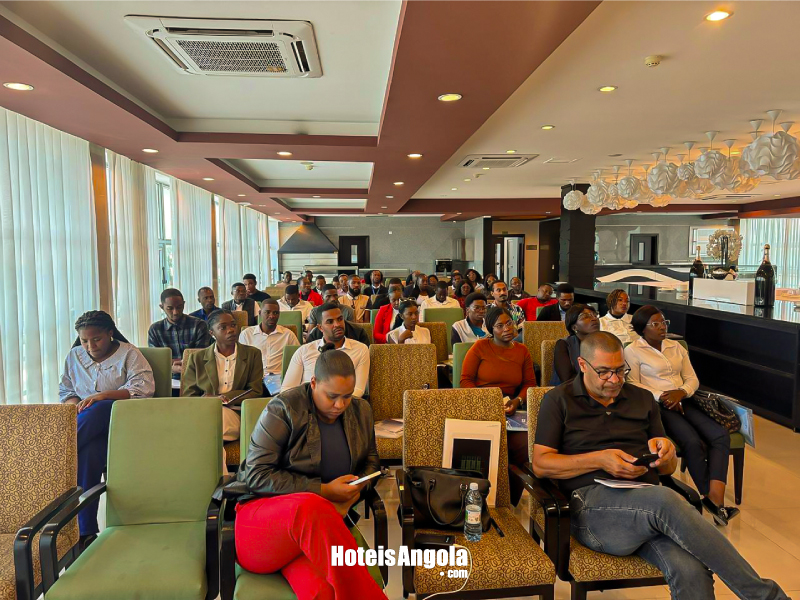
Hoteisangola.com had the privilege of participating in the Training of Personnel in the Tourism Sector of the Province of Huíla, an initiative promoted by the Provincial Government, through the Provincial Office of Culture and Tourism, with the support of UNDP.
This mobilizing event brought together representatives from municipalities, tourism operators, and stakeholders linked to local development, with the aim of strengthening technical skills and boosting tourism as a driver of sustainable economic growth.
During the training, Jorge Nunes, representing Hoteisangola, shared knowledge, practical experience, and a strategic vision of the sector, contributing to equipping participants with tools, methodologies, and dynamics oriented towards concrete results.
The approach adopted prioritized the identification of local opportunities, the enhancement of existing tourism resources, and the definition of short-term strategies aligned with the realities of the municipalities, promoting greater coordination among the different stakeholders in the sector.
Hoteisangola’s participation reinforces its commitment to the development of tourism in Angola, through capacity building, knowledge sharing, and the creation of solutions that enhance national destinations.
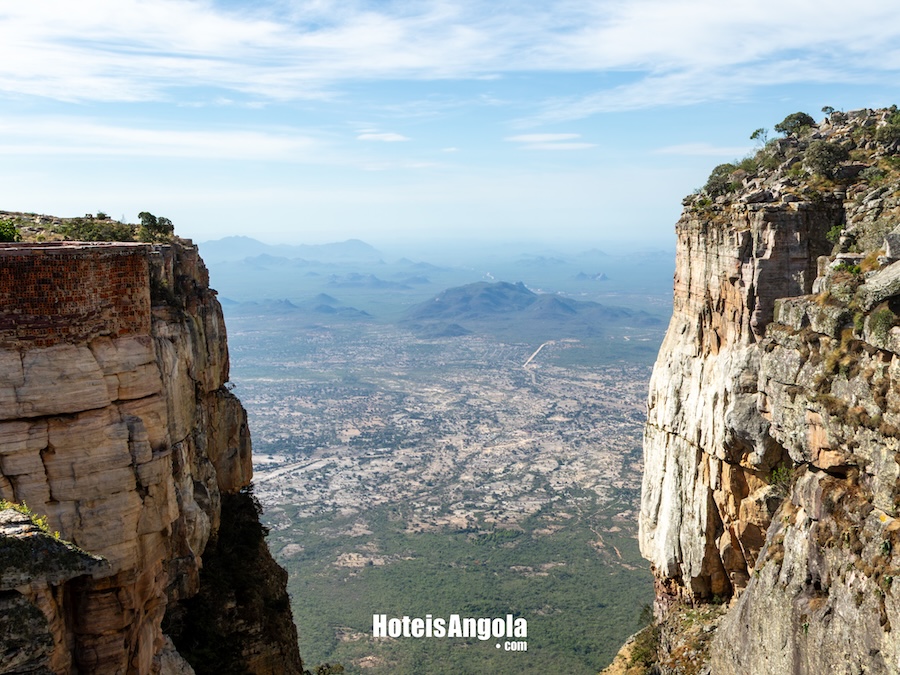
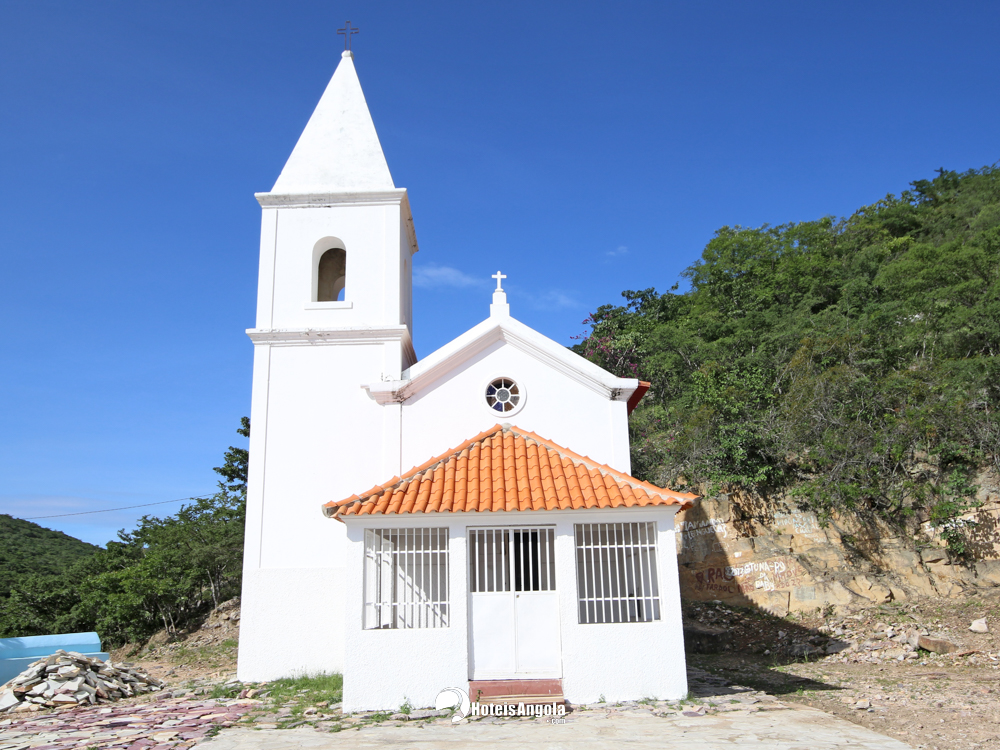
The structure is located at the entrance to the village of Humpata, very close to the old colonial road that connected the Huíla plateau to other towns in the region.
Located in the municipality of Quilengues, they appear as one of those little-known scenes in Angola that impress with the combination of wild nature, silence and mountainous landscapes.
The Bicuar National Park, was established as a game reserve in 1938 and transformed into a national park in 1964 with the aim of preserving the existing species in the area among which they stand out: elephants, lions, sable, buffalo etc. It has an extension of 1,200Km² and is limited by the Chicusse, Cunene, Cusso, Cussava and Chissanda rivers. It is one of the promising tourist reserves in southern Angola, due to its privileged geographical situation that has the natural conditions it offers, from the wonderful landscapes to the beautiful specimens of wild animals.
It is a destination of great natural and cultural value, known for its peaceful landscapes, mountains, vegetation typical of the southern region of Angola and welcoming rural environment.
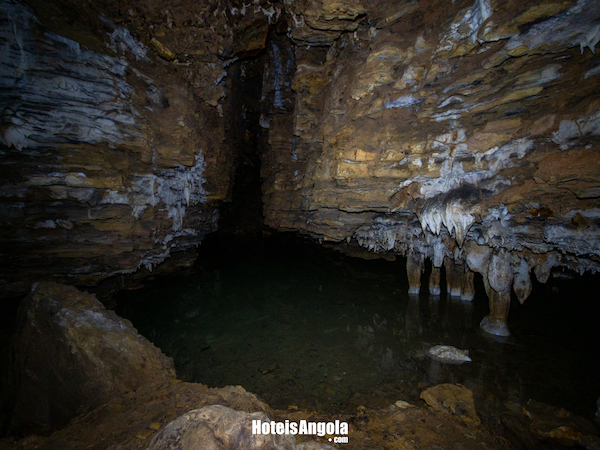
At the entrance to the cave, only water flows from a peaceful spring at the bottom of the cave. The vestibule of the cave known as the “room of the lakes” (Timóteo1974. Pag.54) is surprising. Inside we can see majestic stalactites in its vault, some
It was built in 1957, based on the similarity that the City of Sá da Bandeira had with the headquarters of the island of Madeira, where the first contingents of settlers mandated by the Portuguese Government came from between 1884/85.
The Huíla Regional Museum is a public, permanent, scientific, non-profit institution, at the service of society and its development, open to the public that acquires, preserves, researches, disseminates and exhibits material testimonies
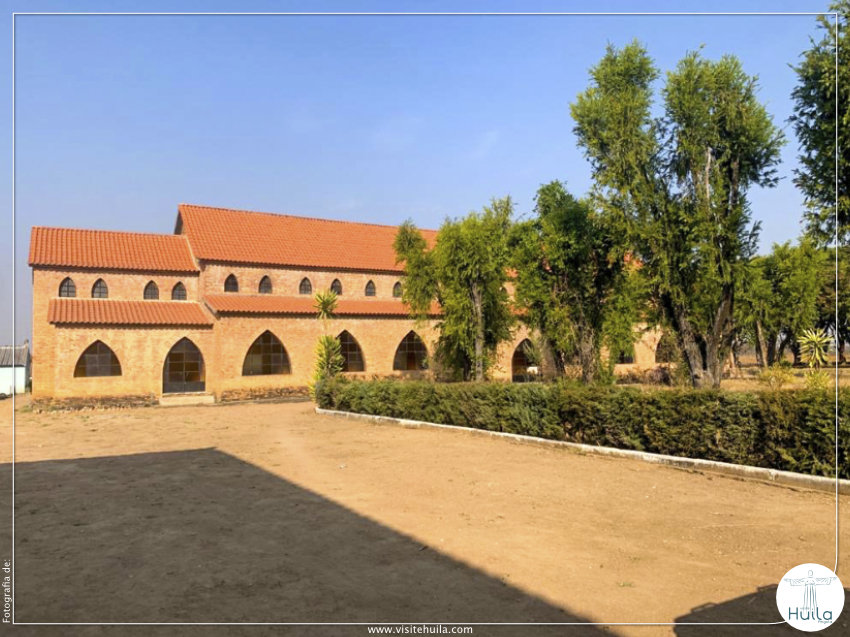
The first rehabilitation of the Mission took place in the period 2007/2011, with the Archbishop of Lubango, Dom Gabriel Mbilingi, inaugurating this phase of renovation in September 2011.
The Huíla Tourist Map project was presented on September 15th, in the Huíla Provincial Government Auditorium, in a session dedicated to sharing the work developed and collecting contributions for i...
O turismo angolano encontra-se num momento decisivo. Nos últimos anos foram alcançados alguns progressos, mas continuam a existir desafios estruturais que condicionam a competitividade do sector e ...
A entrada em vigor da Contribuição Especial para o Turismo, correspondente a 5% sobre as estadias de turistas internacionais, continua a levantar inúmeras dúvidas entre hotéis, aparthotéis, pousada...
For more detailed requests or to submit documentation.
Available every day from 8:00 AM to 10:00 PM. Allows you to clarify doubts, support reservations, and guide you in choosing the best accommodation and tourist services.





 The Huíla Tourist Map project was presented on September 15th, in the Huíla Provincial Government Auditorium, in a session dedicated to sharing the work developed and collecting contributions for i...
 Hotels bear commissions on funds allocated to the State, while tourists are forced to look for cash, facing discomfort and possible security risks.
 O turismo angolano encontra-se num momento decisivo. Nos últimos anos foram alcançados alguns progressos, mas continuam a existir desafios estruturais que condicionam a competitividade do sector e ...
 A entrada em vigor da Contribuição Especial para o Turismo, correspondente a 5% sobre as estadias de turistas internacionais, continua a levantar inúmeras dúvidas entre hotéis, aparthotéis, pousada...
 The project aims to provide visitors with essential information about the territory's main attractions.
 WhatsApp
 Telephone
 Email
Email