- Hotels
- Rent-A-Car
- Routs
Evolution of International "Tourist" Arrivals in Angola (2010-2025)
Tourism in Angola has undergone profound changes over the past 15 years. After a period of strong growth driven mainly by business tourism, the country experienced a sharp decline due to the economic crisis, followed by the impact of the Covid-19 pandemic. Angola is currently returning to a positive trajectory and, in 2025, was considered the African country with the highest growth in international tourist arrivals, although the figures remain far below those recorded in 2013.International tourist arrivals
| Year | International Arrivals | Change |
|---|---|---|
| 2010 | 425 000 | - |
| 2011 | 481 000 | +13.2% |
| 2012 | 528 000 | +9.8% |
| 2013 | 650 000 | +23.1% |
| 2014 | 595 000 | -8.5% |
| 2015 | 592 000 | -0.5% |
| 2016 | 397 000 | -32.9% |
| 2017 | 261 000 | -34.3% |
| 2018 | 218 000 | -16.5% |
| 2019 | 218 000 | 0.0% |
| 2020 | Covid-19 Pandemic | - |
| 2021 | Gradual recovery | - |
| 2022 | +- 140 000 | - |
| 2023 | +- 206 000 | +47% |
| 2024 | +- 171 500 | -16.7% |
| 2025 | 223 000 | +30% |
Organized Itineraries and Guided Tours

Climbing in the Serra da Leba
Challenge your limits and discover the Serra da Leba through a unique climbing experience in Angola.

Diving in Caotinha
Discover the secrets of the sea in Caotinha and immerse yourself in one of the most fascinating expe...

Sunset in Luanda Bay
Enjoy a catamaran tour of Luanda Bay at sunset and let yourself be enveloped by the magic of the sea...

Tourist Tour of the City of Lubango
Discover Lubango through a historical tour and immerse yourself in the stories, culture, and identit...

Boat trip in Lobito Bay
Discover the city of Lobito from a unique perspective with this tour of its stunning bay, one of Ang...

Old Benguela
Discover Benguela through a historical tour and immerse yourself in the stories that gave life to th...
Angola's tourism figures: growth or simply more arrivals?
At a time when there is considerable discussion about the growth of tourism in Angola, it is important to analyse the figures carefully and, above all, understand what they truly represent.According to the Ministry of Tourism, Angola recorded approximately 223,000 international arrivals in 2025, representing growth of around 30% compared with the previous year. At first glance, this appears to be a positive indicator. However, when compared with the approximately 650,000 arrivals recorded in 2013, it becomes clear that the country remains far from the best results it has ever achieved.
Are we truly measuring tourists or simply entries into the country?
Over the years, Angola has significantly changed its visa system, introducing new categories such as the border visa, which make it more difficult to distinguish between people entering for tourism purposes and those entering for business, employment, diplomatic or other reasons.In practice, the statistics combine different visitor profiles, making it difficult to assess the true performance of tourism as an economic sector.
It would therefore be extremely important for the Migration and Foreigners Service (SME) to provide detailed statistics by border crossing, nationality, purpose of entry and length of stay.
This information would provide a better understanding of international visitor flows and help identify which regions genuinely benefit from these movements.
Santa Clara and the importance of land borders
One clear example is the Santa Clara border crossing, which has become an important gateway for visitors arriving from Namibia and other countries in Southern Africa.The high volume of vehicles observed throughout the year demonstrates that there is a significant flow of visitors travelling to Huíla and Namibe, as well as to Benguela and other regions of the country.
Hundreds of vehicles cross this border every month, carrying people who travel through southern Angola and make use of accommodation establishments, restaurants, fuel stations, commercial facilities and a range of tourism services.
However, without detailed official data on border entries and the routes taken by these visitors, it remains impossible to accurately measure the economic impact of this flow.
The 2025 arrivals must be analysed in context
It is also important to consider the 2025 figures within the context in which they were recorded.The year was marked by numerous international meetings, economic forums, diplomatic missions, conferences and several initiatives associated with the celebrations of the 50th anniversary of Angola's Independence.
A significant proportion of these arrivals may therefore have consisted of participants in these events, members of official missions, diplomatic representatives, businesspeople, consultants and institutional guests, rather than necessarily leisure tourists.
This is not intended to diminish the importance of these arrivals. On the contrary, they generate economic activity and are important to the country.
However, it is essential to distinguish between visitors on official missions, business travellers, conference participants, temporary workers and tourists in the true sense of the word.
Without this distinction, it becomes difficult to assess the real performance of public policies aimed at developing tourism.
The role of the National Statistics Institute
Another aspect that deserves consideration is the role of the National Statistics Institute (INE).Traditionally, this institution would be expected to play a more active role in collecting, validating and publishing statistics for the sector, acting as an independent source of analysis.
At present, the communication of these figures has been led by the Ministry of Tourism, which reinforces the need to cross-reference information from the Ministry of Tourism, the SME and the INE itself.
This cross-referencing would help ensure greater transparency, consistency and credibility in the published data.
The Ministry of Tourism naturally has an interest in demonstrating the results of the policies it implements. It is precisely for this reason that independent validation of the figures by the INE would be important in ensuring a more balanced assessment of the sector’s development.
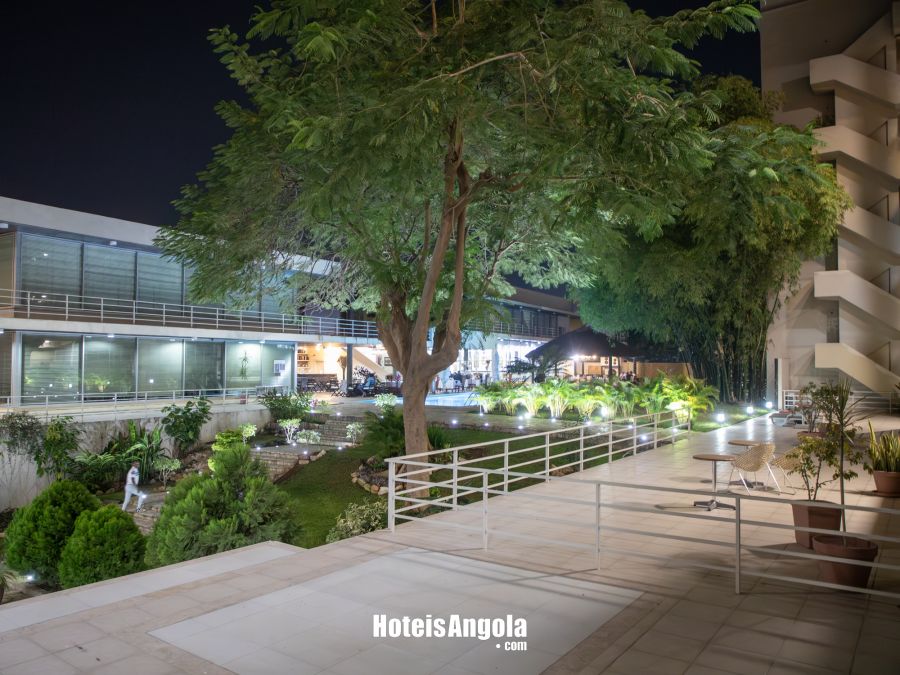


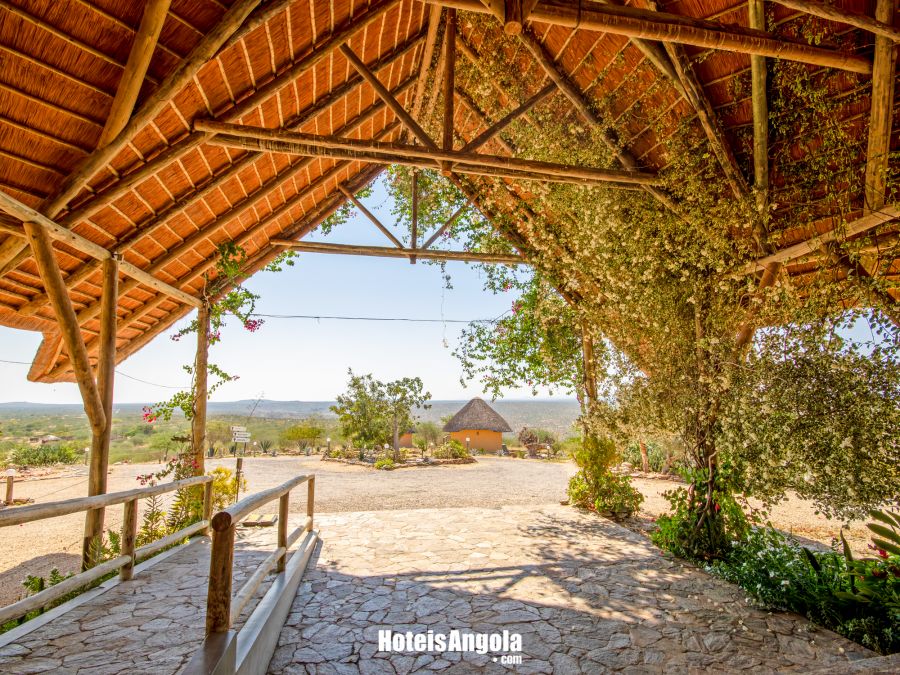

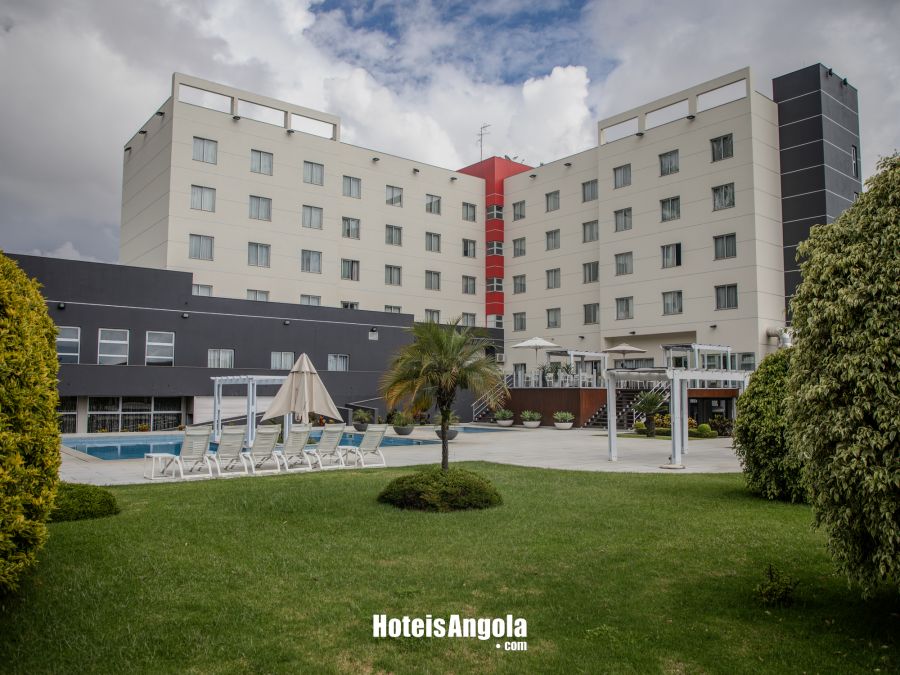



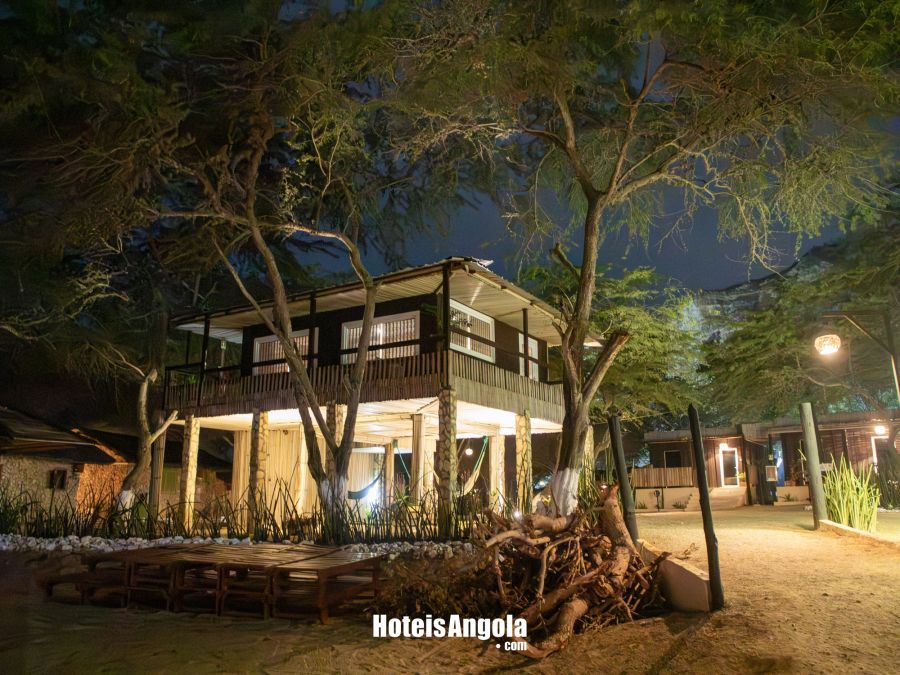
Complexo Túristico Doce Mar




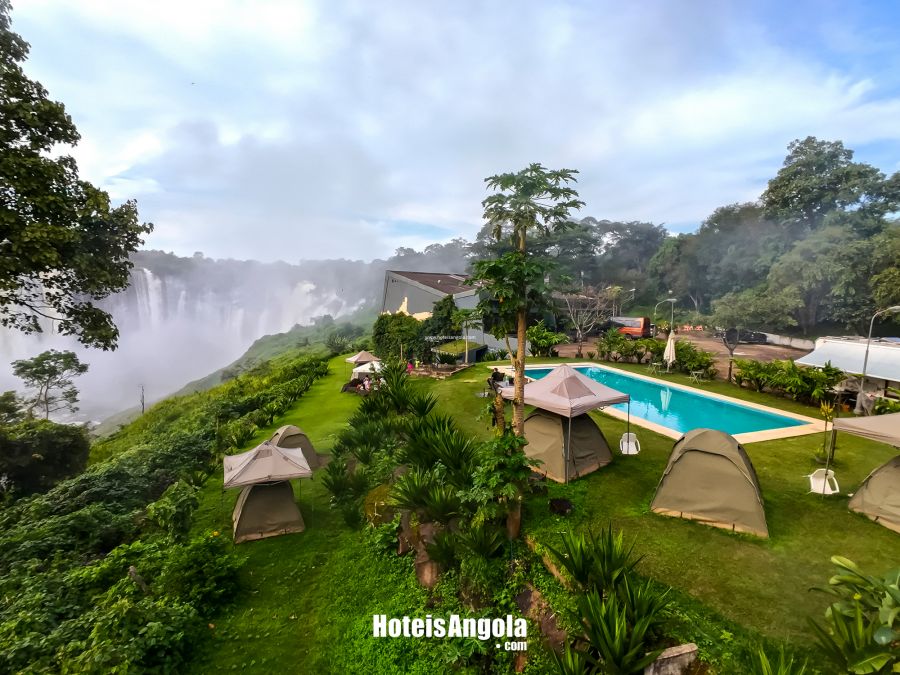

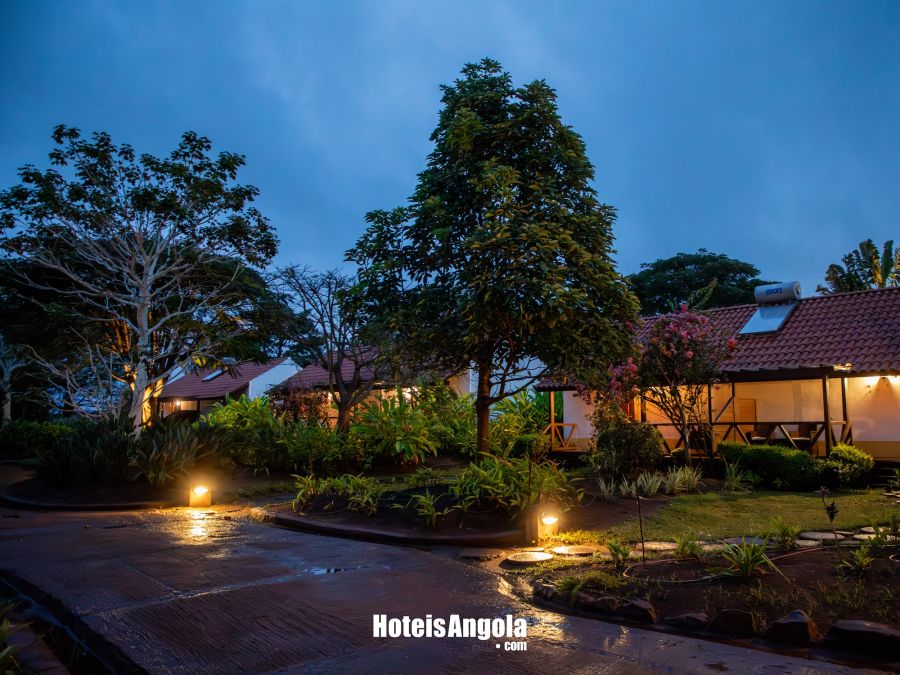



Airlines are leaving the Angolan market
Another indicator also deserves consideration.Since the beginning of 2026, we have witnessed reductions in operations, the suspension of routes and the departure of airlines from the Angolan market.
The reasons frequently given include rising operating costs, fuel prices and difficulties in repatriating capital.
All these factors are relevant and can directly affect the sustainability of an airline operation.
However, there is an economic reality that cannot be ignored: an airline is unlikely to leave a market where there is sufficient demand to make its routes profitable.
The lack of passengers and insufficient demand must also be considered when trying to understand why certain airlines reduce or discontinue their operations in Angola.
If international tourism were genuinely growing in a solid and consistent manner, one would expect to see increased flight frequencies, the opening of new routes, the arrival of new airlines and greater competition among carriers.
However, in several cases, precisely the opposite has been occurring.
This apparent contradiction between the announced growth in international arrivals and the reduction in air connectivity deserves deeper analysis.
223,000 visitors for a capacity of 38,022 beds
There is another issue that must be considered in light of the country’s installed accommodation capacity.According to the available official data, Angola has approximately 38,022 beds in its hotel establishments.
Assuming, solely for the purposes of analysis, an average stay of four nights per visitor, the 223,000 international visitors would represent approximately 892,000 overnight stays throughout 2025.
The maximum annual capacity of hotel establishments can be calculated by multiplying the 38,022 beds by 365 days.
223,000 overnight stays ÷ annual capacity of 38,022 beds = 5.86 international visitors per bed
Many of these visitors may have stayed in private residences, family homes, diplomatic facilities, company-owned accommodation or other places not classified as hotel establishments.
Furthermore, a considerable proportion of the overnight stays is likely to have been concentrated in Luanda, leaving an even smaller share for the remaining provinces.
International tourism is not enough to sustain the national hotel industry
This analysis leads to an important conclusion: international tourism remains insufficient to sustain Angola’s hotel industry.Most hotel establishments depend primarily on the domestic market, professional travel, companies, the oil sector, international organisations, public administration and the organisation of events.
Foreign visitors remain an important component, but their numbers are still too low to ensure, on their own, the economic sustainability of the country’s installed hotel capacity.
For this reason, any tourism development strategy in Angola must place domestic tourism at its core.
It is not possible to build a sustainable tourism sector by relying exclusively on international arrivals, particularly when these figures remain far below those recorded in previous periods.
The potential revenue from the 5% accommodation levy
There is another perspective that also deserves consideration.With the application of a 5% levy on stays by foreign visitors in hotel establishments, it is important to understand the financial scale these figures could represent.
223,000 visitors × 100,000 Kz × 4 nights = 89.2 billion kwanzas
89.2 billion Kz × 5% = 4.46 billion kwanzas
Average accommodation rates vary significantly, not all visitors stay for four nights and not everyone entering Angola stays in establishments subject to the levy.
Nevertheless, this estimate provides an indication of the financial scale associated with the statistics currently being published.
It also helps explain why it is so important to understand the true profile of visitors, the number of overnight stays and how they are distributed among hotel establishments.
DIY Itineraries

Luanda Historical and Cultural Tour

Wonders of the Desert Itinerary

Huila Wonders Tour

Itinerary from Menongue to Lubango

Cuito Cuanavale itinerary

Saco Mar itinerary

Moçâmedes Basic Route

Basic Caotinha Route

Huambo Basic Route

Lubango Basic Route

Wonders of Malanje Tour

Beaches in the South of Benguela

Catumbela itinerary

Dombe Grande itinerary

Benguela City Tour

Conda's itinerary

Itinerary to Egypt Beach

Lobito City Tour

Route from Huila to Chibia

Humpata itinerary
Where are these visitors?
However, one question remains unanswered: where are these visitors?If tourism were genuinely growing at the rate suggested by the statistics, one would expect to see clear evidence in hotel occupancy rates, an increase in bookings, stronger demand for tour operators and improved international air connections.
One would also expect to see more tourists travelling throughout the provinces, greater demand for activities and experiences, growth among tourism activity companies and the opening of new accommodation establishments.
However, many businesspeople operating in the sector report precisely the opposite.
Outside Luanda, many establishments continue to record low occupancy levels, while several provinces are not experiencing consistent growth in tourism demand.
In some destinations, operators have the impression that fewer tourists are currently travelling than in previous years.
This does not necessarily mean that the published figures are incorrect.
It does, however, mean that the number of entries into the country, when considered in isolation, is not sufficient to describe the reality of tourism in Angola.
Angola needs to measure tourism, not merely entries
The intention is not to call into question the figures published by the official authorities.What is being argued is that the statistics must evolve to a level of detail that makes it possible to understand who enters Angola, why they enter, how long they stay, where they are accommodated, which provinces they visit and what economic impact is actually generated.
Among other indicators, it would be necessary to know:
• The number of entries at each border crossing;
• The nationality of visitors;
• The main purpose of the journey;
• The average length of stay;
• The number of foreign guests in hotel establishments;
• The actual number of overnight stays;
• The distribution of visitors by province;
• Hotel occupancy rates;
• The average amount spent per visitor.
Rather than simply counting entries, Angola needs to measure tourism.
Only with complete, transparent and properly segmented statistics will it be possible to assess the real development of the sector, identify its weaknesses and define public policies capable of responding to the needs of national tourism.
Growth in numbers is important, but growth in economic impact, hotel occupancy, job creation and regional development is what truly matters.
Opinion article by: Jorge Nunes
+ Traveler Article
-
 Hunting activity generates extreme opinions, but, when properly regulated and based on scientific criteria, it can help finance conservation, control animal populations and preserve natural areas a...
 -
 The second largest hotel market in Angola brings together an international airport, port, railway, beaches and thousands of jobs, but remains outside of some of the main structural investments in n...
 -
 When, once again, the Rovos Rail train arrives in Lobito, after a journey that connects Dar es Salaam to Lobito, we are forced to ask a simple question: after all, what tourism are we truly buildin...
 -
 Between the announced growth, the reality of entries into the country and the structural challenges of Angolan tourism
 -
 The 5% tax on foreigners' stays: another cost for tourism that still needs bases
Newsletter - Promotions and highlights in your email
Support Line
 WhatsApp
 Telephone
 Email
Email
Available every day from 8:00 AM to 10:00 PM. Allows you to clarify doubts, support reservations, and guide you in choosing the best accommodation and tourist services.