- Hotels
- Rent-A-Car
- Routs
What to visit in the municipalities of Cubal and Ganda
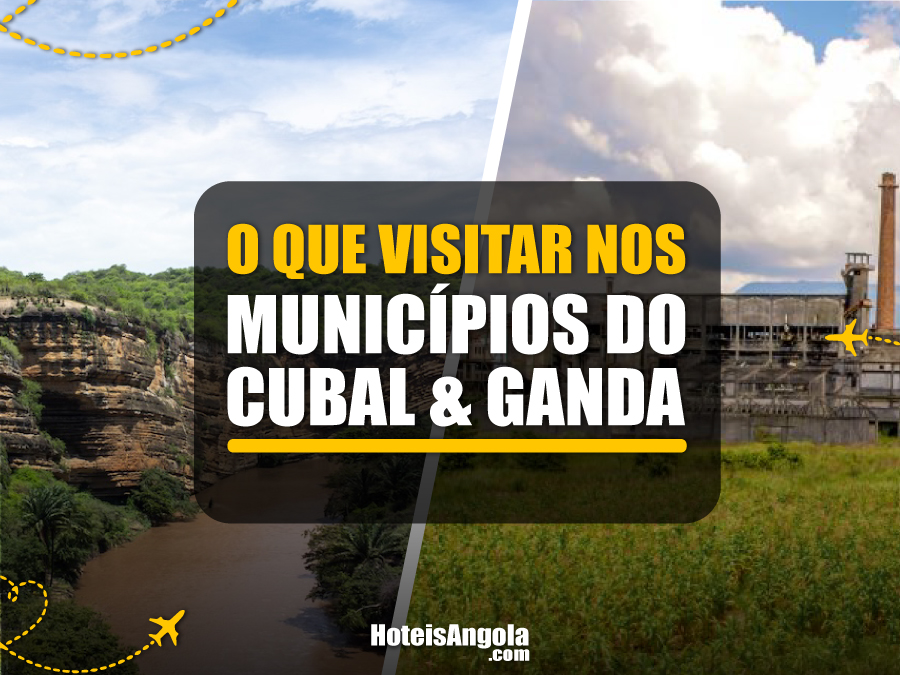
Brief history of the municipality of Ganda
The municipality of Ganda has its historical origins linked to the settlement of native populations and colonial expansion driven by trade routes and the railway. Umbundu is the national language most spoken and used daily by the local population.The major driver of urban and economic development took place at the beginning of the 20th century with the arrival of the Benguela Railway (CFB) line. In 1913, the locality was elevated to the category of administrative district headquarters. During the colonial period until Angola’s independence in 1975, the municipality was officially named Vila Mariano Machado.
After independence, it regained its original name, Ganda, and its territorial division was restructured. Due to its fertile lands, it became historically known as one of the largest agricultural granaries in the province of Benguela.
Local and cultural life in the municipality of Ganda
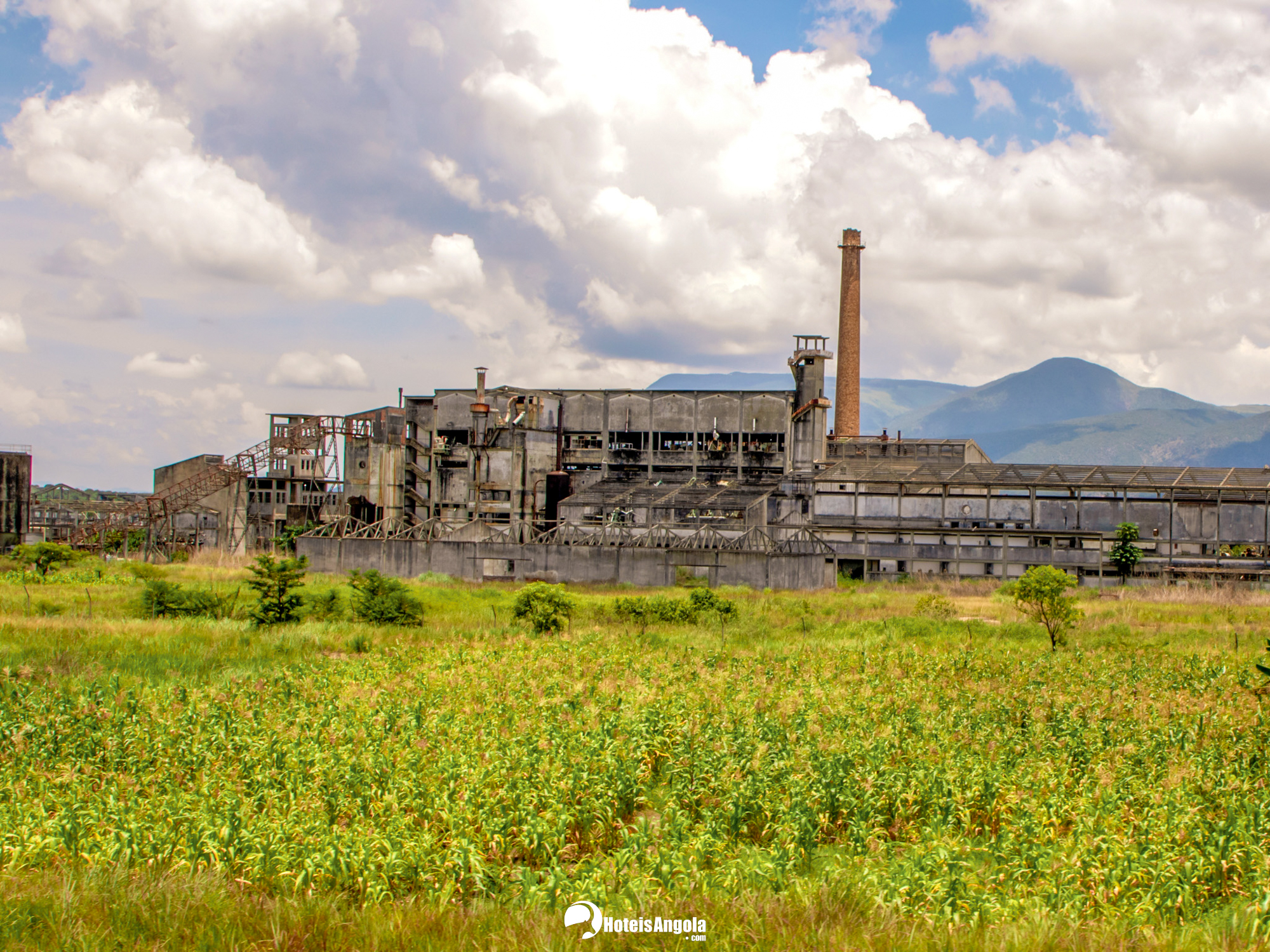
The municipality of Ganda has great industrial potential, which in the past was one of its most important economic sectors. There was a spirits factory in the neighboring municipality (Babaera), a coffee processing (mechanical process performed after harvesting and drying the fruit) roasting, and packaging factory, a brick factory in the municipal headquarters, a tile factory at the Ndunde Mission, and a cellulose production industry in Babaera.There was also a sisal plantation farm, where much of its production was exported, as well as fruit processing industries, cereal, corn, massambala, and meat industries.
In the field of livestock farming, the municipality has a tradition of raising cattle, goats, pigs, and poultry. In the past, it was a major regional reference in terms of animal production.
Gastronomy of the municipality of Ganda
White corn pirão: the mandatory side dish for almost all local meals, made from finely ground corn flour cooked in boiling water.Lossaca: A traditional sauté made from the fruits of a local wild plant, enriched with palm oil or peanuts, highly appreciated throughout the province of Benguela.
Pumpkin lombi: a stew made with tender pumpkin leaves, cooked and sautéed with cherry tomatoes and onions.
Palm oil beans: locally grown beans slowly cooked and seasoned with traditional palm oil.
Locally raised meats: as it is a region rich in agriculture and livestock, side dishes with local chicken meat (naked chicken) or goat stews, dried meat (beef or game meat) are highly traditional.
It is worth strolling through the town center, local fairs, and markets to see handicrafts, agricultural products, and interact with the local community.
What to visit in Ganda
Brief history of the municipality of Cubal
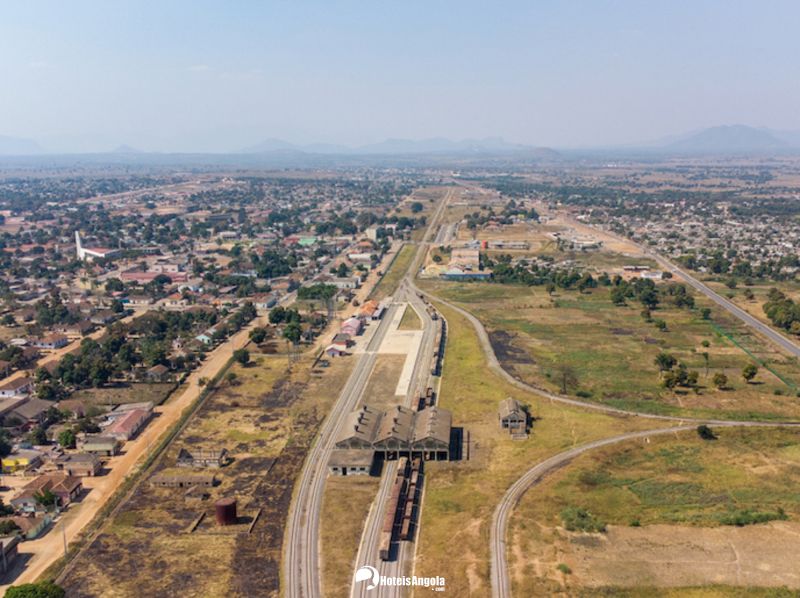
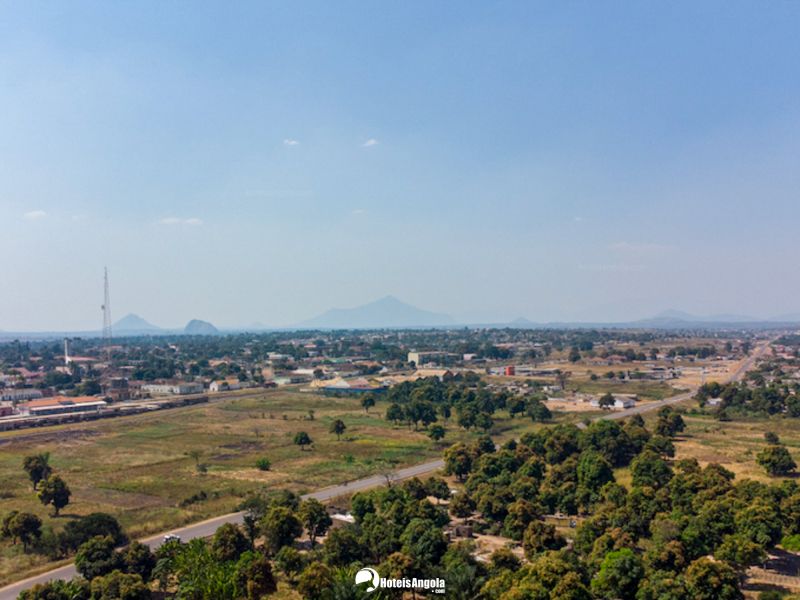
The municipality of Cubal, located in the province of Benguela, 146 km from the provincial capital, originated from a settlement founded at the beginning of the 20th century.Cubal was elevated to city status on January 23, 1968. Its origin is related to the Benguela Railway and to the name Joaquim Francisco Ferreira, better known as “Yiola-yiola” (popular nickname), a Portuguese merchant who arrived in the lands of Hanha in 1878. Umbundu is the national language most spoken and used daily by the local population.
The first people to inhabit that region were from the Muhanha tribe, later followed by the Munanos from the Central Plateau (Huambo) and the Ovambuelo from the Huíla region. Strongly dedicated to livestock farming and agriculture, Cubal grew and developed thanks to the alliance between the railway and the sisal industry, which had the Alto-Cubal, Kiskerof, Elisa, Banja-banja, and Rio Bom farms as its main production centers.
Local and cultural life in the municipality of Cubal
Animal husbandry by peasants, especially small animals such as goats, pigs, and chickens, is widely used for food and trade. Cattle are used for animal traction (the use of animal power such as oxen, horses, mules and buffalo to move vehicles, plow the land or pull agricultural implements) and also for trade, as evidenced by the large cattle market, known as the meat market, in the municipal headquarters. When independence arrived, Benguela was already the main sisal producer in all of Angola. Cubal contributed greatly to these impressive numbers. The plantations were immense, and exports were shipped worldwide.Cubal’s culture is strongly rooted in community solidarity, family farming, and the oral transmission of knowledge. As one of the largest meat producers in the province, its cuisine reflects both rural richness and the typical flavors of Benguela.
Gastronomy of the municipality of Cubal
Dried meat calulú: a traditional stew made with dried meat or dried fish (in that region), accompanied by vegetables such as rama, okra, eggplant, and palm oil, always served with funge.Roasted game meat and barbecue: given the importance of local livestock farming, fresh meat dishes hold a special place in the municipality’s gastronomy.
Chicken muamba: a stew made with naked chicken, prepared with okra, eggplant, palm oil, peanuts, and various seasonings, is one of the traditional Angolan dishes also present on Cubal tables during festive dates and family celebrations.
When it comes to beverages, Cubal is known for its refreshing and flavorful juices made from fresh fruits such as passion fruit, pineapple, and guava, not forgetting quissángua (which is basically a drink made from crushed yellow corn and flour derived from it). These juices are usually enjoyed with meals or as a refreshing drink on a hot day.
What to visit in Cubal
Between natural landscapes, historical heritage, cultural traditions, and a strong connection to the Benguela Railway, the municipalities of Cubal and Ganda reveal themselves as destinations full of authenticity in the heart of Benguela province. From old railway stations to rivers, missions, gardens, and social gathering spaces, each place tells part of the history and identity of these lands of the Angolan plateau. Visiting Cubal and Ganda means discovering peaceful scenery, welcoming communities, and experiences marked by simplicity and cultural richness. For those seeking to discover a more genuine side of Angola, far from the busiest tourist circuits, these municipalities offer more than enough reasons for a memorable journey filled with history, nature, and tradition.
Accommodation:
Cubal surrounding area
- from kz 21,400Hotel Cadinos Cubal



DIY Itineraries

Luanda
Luanda Historical and Cultural Tour
Museum Route located in Luanda, This itinerary is an immersive journey through the origins, memories and living expressions of the Angolan capital.

Namibe
Wonders of the Desert Itinerary
Namibe Desert, takes you to discover its charms.

Huila
Huila Wonders Tour
Discover the wonders of Huíla province in Angola with an unforgettable tourist itinerary that covers the most emblematic and stunning tourist attractions in the region.

Cubango
Itinerary from Menongue to Lubango
This Itinerary is a true immersion in the wild nature and cultural authenticity of southeast Angola.

Cubango
Cuito Cuanavale itinerary
Cuito Cuanavale is a town and municipality in Angola, famous for the Battle of Cuito Cuanavale (1987-1988), one of the biggest clashes of the Angolan Civil War, crucial to the liberation of Southern Africa and the end of apartheid.

Namibe
Saco Mar itinerary
An itinerary that will take you to see some of the main tourist attractions mentioned in Saco Mar.

Namibe
Moçâmedes Basic Route
An itinerary that will take you to see some of the main tourist attractions in Namibe and its surroundings.

Benguela
Basic Caotinha Route
The essentials for exploring the beach and local life in Caotinha

Huambo
Huambo Basic Route
Recommended 2 days in Huambo, to see the main tourist attractions

Huila
Lubango Basic Route
An itinerary that will take you to see the main tourist attractions in the city and surrounding areas.

Malanje
Wonders of Malanje Tour
Come and explore the natural and cultural beauties of the province of Malanje on a tourist itinerary that includes the main tourist attractions in the region.

Benguela
Beaches in the South of Benguela
Benguela is a destination known for its golden sand beaches, crystal clear water and a peaceful atmosphere.

Benguela
Catumbela itinerary
Get ready to embark on a charming itinerary through the city of Catumbela, a hidden wonder in the province of Benguela, in Angola.

Benguela
Dombe Grande itinerary
Discover Dombe Grande: A Fascinating Tourist Itinerary

Benguela
Benguela City Tour
Benguela is a city and municipality, capital of the province of Benguela, in western Angola, composed only of the main commune, which is organized into six zones.

Cuanza Sul
Conda's itinerary
Amidst mountains and valleys

Benguela
Itinerary to Egypt Beach
Don't miss an itinerary full of History, and surrounded by the breathtaking nature of Egypt Praia

Benguela
Lobito City Tour
Lobito is known for its historical/economic importance in the national context. Founded in 1843, it played a fundamental role in the development of the fishing industry and international trade, thanks to its strategically located port...

Huila
Route from Huila to Chibia
Embark on an exciting journey and explore a region rich in natural beauty, stunning landscapes and vibrant culture.

Huila
Humpata itinerary
Venture out to discover the municipality of Humpata located in the south of the province, bordered to the north by the municipality of Lubango, to the east by the municipality of Chibia.
Support Line
 WhatsApp
 Telephone
 Email
Email
Available every day from 8:00 AM to 10:00 PM. Allows you to clarify doubts, support reservations, and guide you in choosing the best accommodation and tourist services.