1 Room, 2 Adults (Change)
Room,Rooms,Adult,Adults,Child,Children

Here you can find the best hotel offers.

Book your trip but first choose the places to visit.


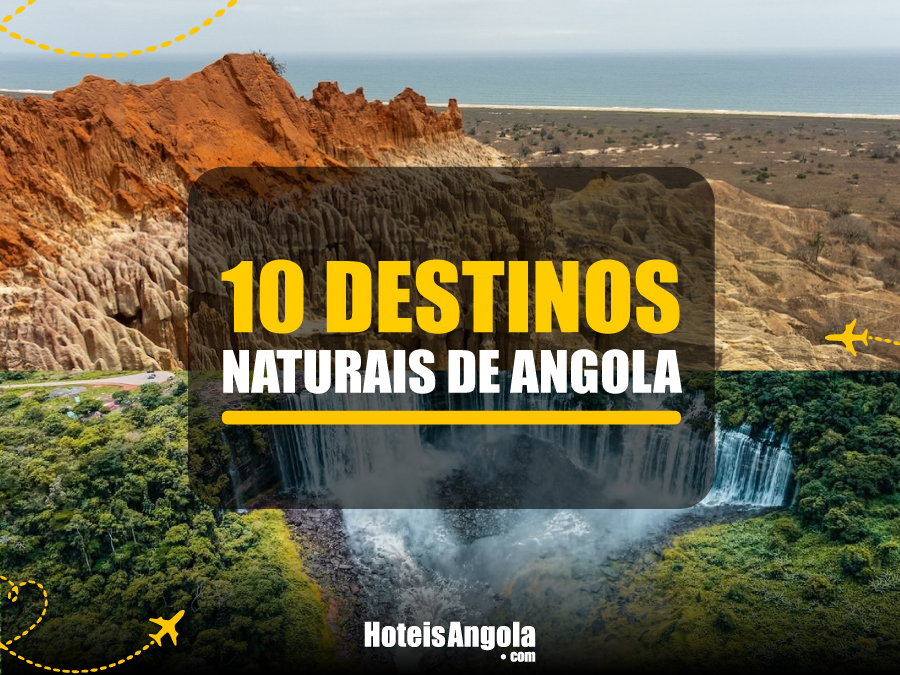
10 Natural Destinations in Angola

Nature is the set of phenomena of the physical world that does not depend on human intervention to be born or to develop.

As such, Angola boasts numerous remarkable natural landscapes that you won't want to miss. Among thousands upon thousands (some yet to be discovered), we've selected just ten to showcase the individual beauty of each, scattered across different locations throughout the country. Check them out below:
  • Kalandula Falls - One of the largest and most impressive waterfalls in Africa, located in the province of Malanje, specifically on the Lucala River. The Kalandula Falls, formerly known as Duque de Bragança, are the largest in Angola and the second largest in Africa, after Victoria Falls, between Zambia and Zimbabwe. The Kalandula Falls are 410 meters long and 105 meters high. Kalandula Falls (80 km from Malanje and 450 km from Luanda).


  • Miradouro da Lua - The Miradouro da Lua is a set of impressive cliffs formed over millions of years due to erosion caused by wind and rain, creating a landscape that resembles the lunar surface. It is considered the most visited tourist attraction in Angola and a mandatory stop for those traveling from Luanda to Barra do Cuanza or to the beaches of Cabo Ledo.


  • Egito Praia - Egito Praia, where the Balombo River flows into the sea, is a place with a mystical landscape that evokes Egypt. The cliffs surrounding the beach, which give it its true beauty, resemble Egyptian scenery. Egito Praia is a region located in the commune of Egito Praia in the municipality of Lobito, in the province of Benguela. Its coastline is influenced by the cold Benguela Current, where it meets the Balombo River that flows into its shores, making the place beautiful due to its nature shaped by the river’s flow, which runs through its fertile lands with a generally brownish tone.


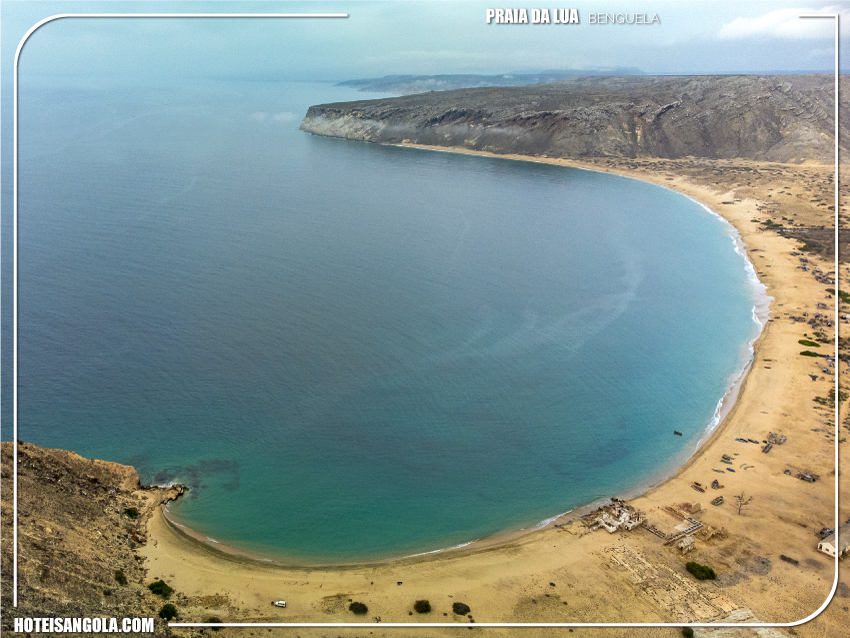
  • Praia da Lua - Praia da Lua is a spectacular spot with clear and calm waters. Its shape gives it its name. It is a beach of natural beauty with calm and crystal-clear waters, known for its moon-like shape and for being almost deserted. It offers tranquility and peace, making it a promising destination for sustainable tourism.


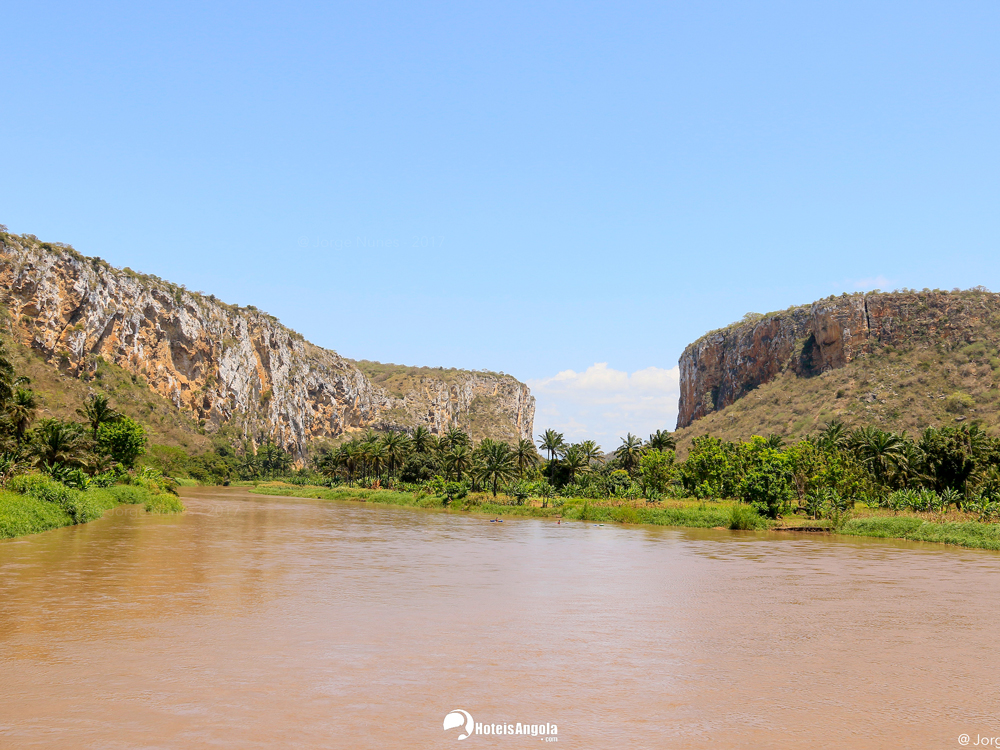
  • Ondimba Caves - The word "Ondimba" means, in the national Nyaneka language, a fissure in a limestone mountain—open cracks with a hill at the top. For a long time, it was believed that there was a great treasure there, which seems to be only a treasure of hope. It is characterized by a mountain with several perforations forming the caves, with 7 chambers inside, as well as a lake located in front of the caves, providing beautiful visibility for visitors and serving as a gateway for tourism.


  • Hills of Curoca - Place that was presented to us under the name of Curoca Hills, is a quiet and isolated place between the cities of Namibe and Tombwa In the extreme south of Angola, where the desert meets the sky, rise the imposing Curoca Hills. A scene of rare beauty, where the land seems painted and shaped by time and winds. These hills are a testament to the strength of nature. Their sculpted rock formations and resilient vegetation tell stories of adaptation and survival in a challenging environment.


  • Ruacaná Falls - The Ruacaná Falls are a set of waterfalls and rapids formed by the Cunene River near the town of Ruacaná, on the Angola-Namibia border. They are approximately 80 meters high and about 700 meters wide during the rainy season. This formation constitutes one of the largest waterfalls in Africa in terms of flow and width. Immediately upstream, the Ruacaná Dam was built, which, together with the Calueque Dam located about 40 km upstream, feeds a hydroelectric power station built by the Republic of South Africa in the 1970s and a water supply system that serves northern Namibia.


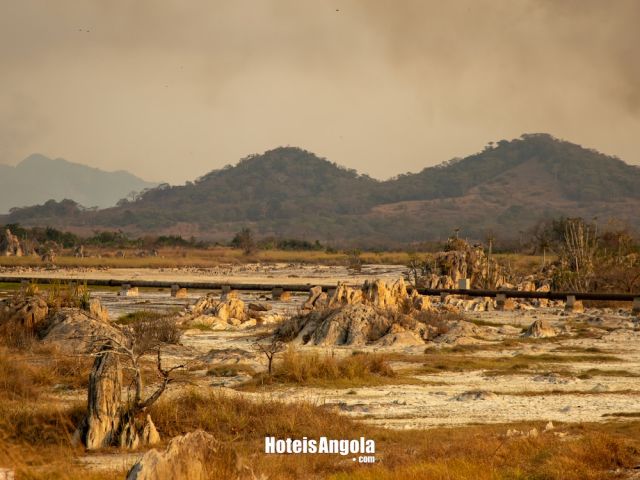
  • Salinas Secas - Located between Cachoeira da Binga and the turnoff to Conda, on the way to Gabela/Cuanza Sul, it is a place of fascinating contrasts. During the rainy season, the region transforms into a lush landscape, with vibrant green tones and a vast number of birds covering the scenery, reflecting the impact that water brings. However, during the dry season (cacimbo), the landscape changes drastically: dry and salty soil dominates the area, creating an arid and almost lunar environment. The name "Salinas Secas" comes precisely from this unique feature: when the waters recede, the land reveals its salty nature, resembling ancient lakebeds or seas that dried up over time.


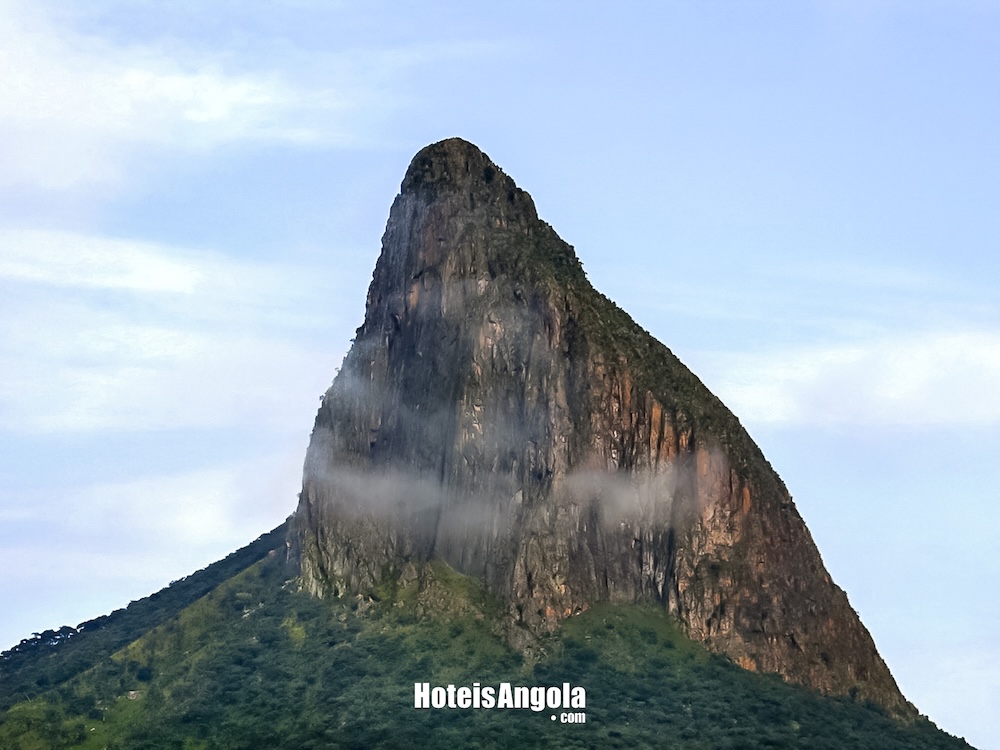
  • Monte Luvili - Morro Luvili, also known as Monte Luvili or Lubiri, is an impressive monolith located in the commune of Alto Hama, municipality of Londuimbali, in the province of Huambo, Angola. With an approximate altitude of 2,000 meters, it stands out for its imposing presence and geological uniqueness. This monolith is considered one of the largest in the world, often referred to as the second largest, behind only Mount Augustus in Australia.


  • Nzenzo Caves -The Nzenzo Caves are a recently discovered site. Very little is still known about their true size or whether their interior has been fully explored, as the area is surrounded by dense vegetation and is difficult to access. At present, they can only be visited with permission from traditional authorities. The site is located approximately 300 kilometers from Luanda, and it is necessary to leave the Luanda–Uíge national road at the town of Quitexe.


  • More than just contemplation, exploring these places is also an invitation to preservation. Valuing sustainable tourism and respecting local ecosystems is essential to ensure that these treasures continue to enchant future generations. Thus, by visiting these 10 natural destinations, the traveler not only takes away unforgettable memories but also becomes an active part in the appreciation and protection of one of Africa’s most extraordinary natural heritages.


    Pack`s and Promotions

    EXCLUSIVE HOTELS ANGOLA VOUCHER
    Pack`s e Promoções

    Locals to visit

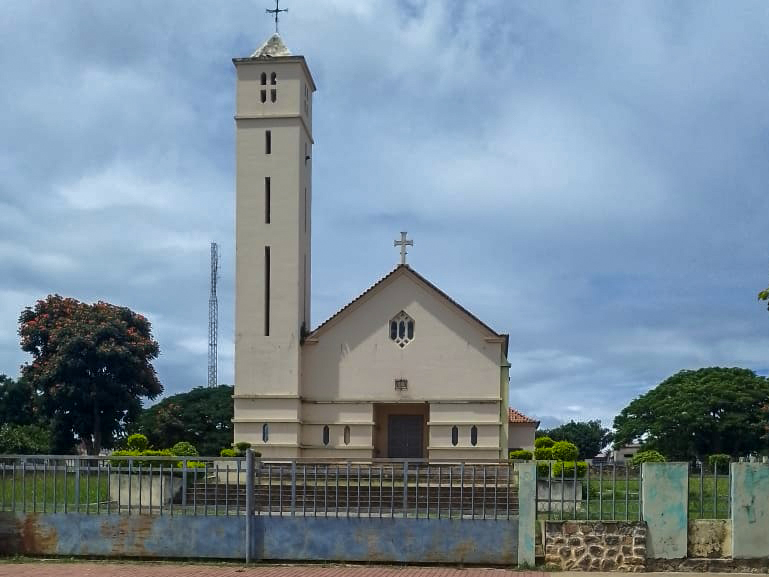
    Cathedral of Our Lady of Fátima
    Cubango

    Cathedral of Our Lady of Fátima

    More than a temple of worship, the cathedral represents an important historical, cultural and community reference point in the city.
    Cassengo Falls
    Lunda Sul

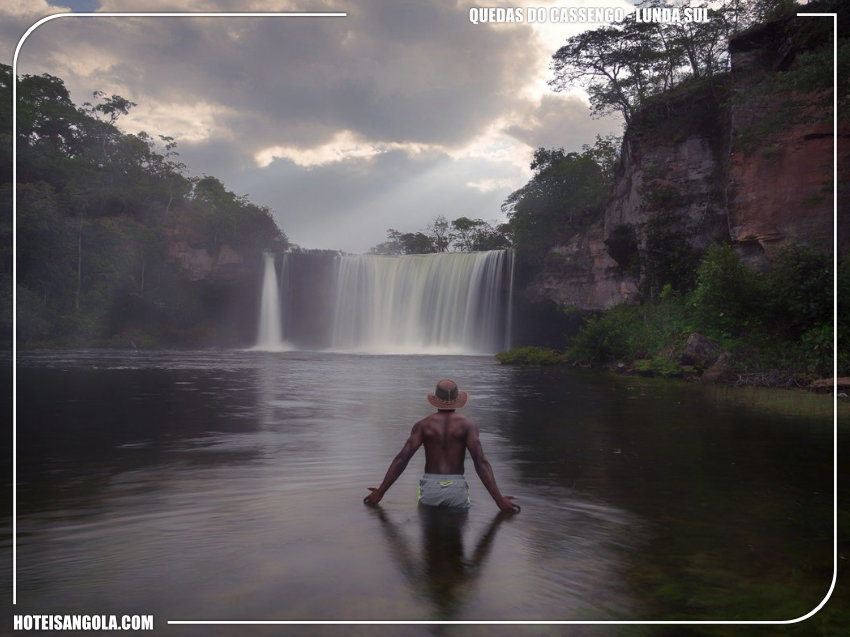
    Cassengo Falls

    A hidden treasure, shaped by the landscape and local beliefs.
    Chitokota Hot Springs
    Bie

    Chitokota Hot Springs

    The Hot Springs of Chitokota, located in the town of Chilesso, municipality of Andulo, province of Bié, have been an alternative for the treatment of diseases that affect the skin, especially scabies.
    Braun's Bushshrike (Laniarius brauni)
    Uíge

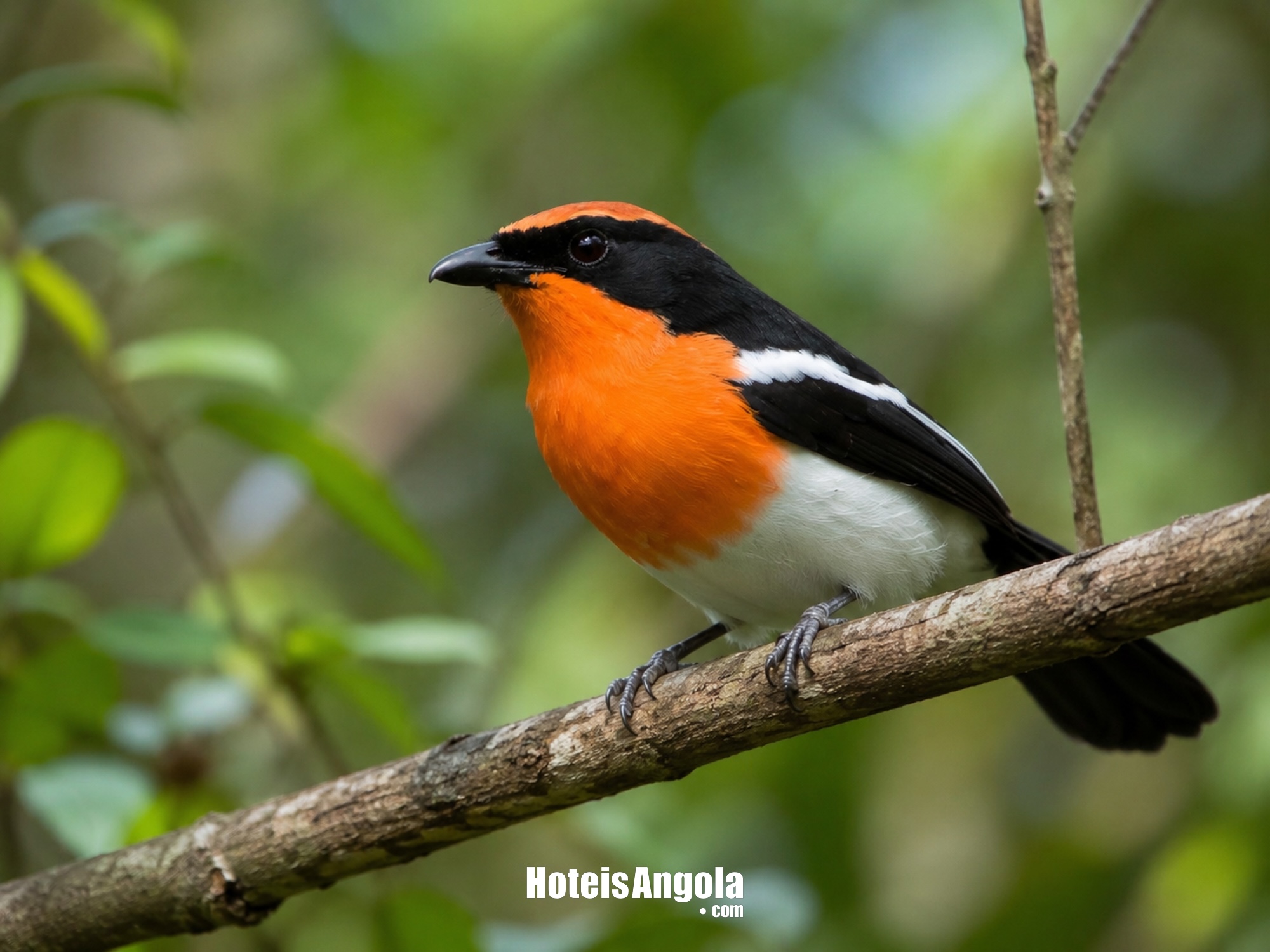
    Braun's Bushshrike (Laniarius brauni)

    Braun's Bushshrike is one of Angola's rarest endemic birds, found only in the humid forests of the country's north, particularly in Uíge Province.
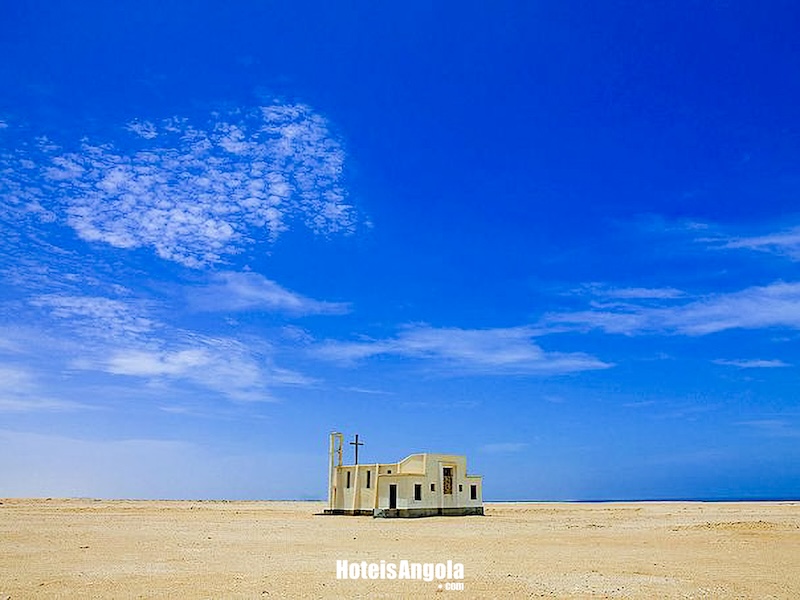
    Chapel of Our Lady of the Navigators - Namibe
    Tômbua

    Chapel of Our Lady of the Navigators - Namibe

    This chapel was built in 1950 as a fulfillment of a promise after Frank Marques (Francisco Marques) received a lottery prize, and was dedicated to the patron saint of seafarers.
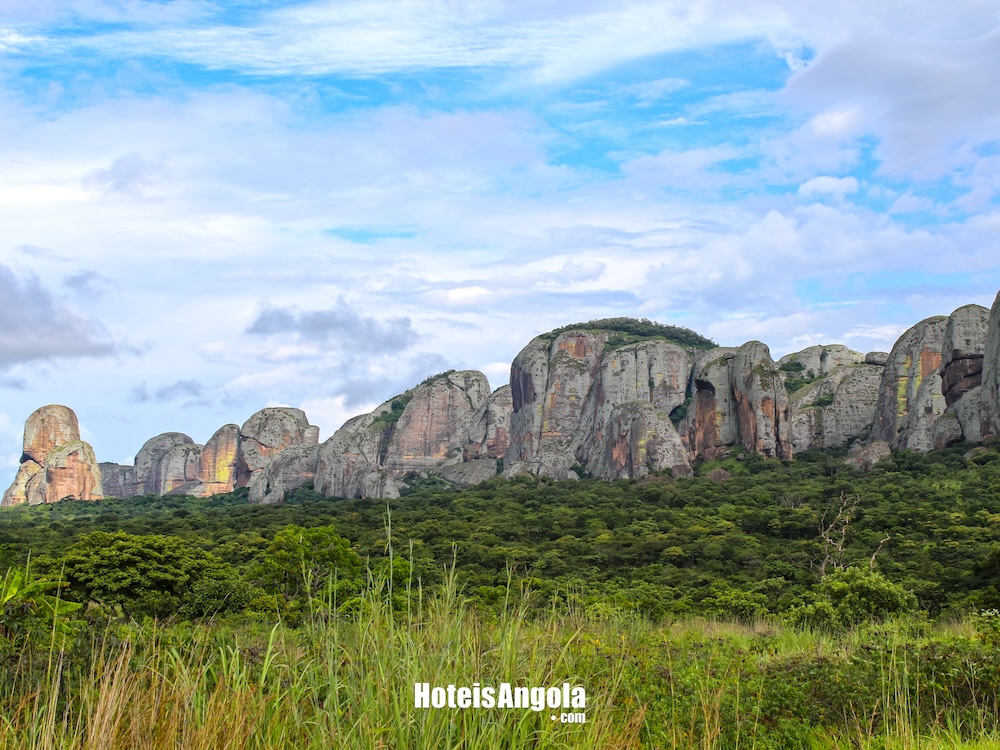
    Black Stones
    Malanje

    Black Stones

    The Black Stones of Pungo Andongo are an almost surreal natural spectacle with monumental stones that rise between the vegetation and the meandering of the Kwanza River.
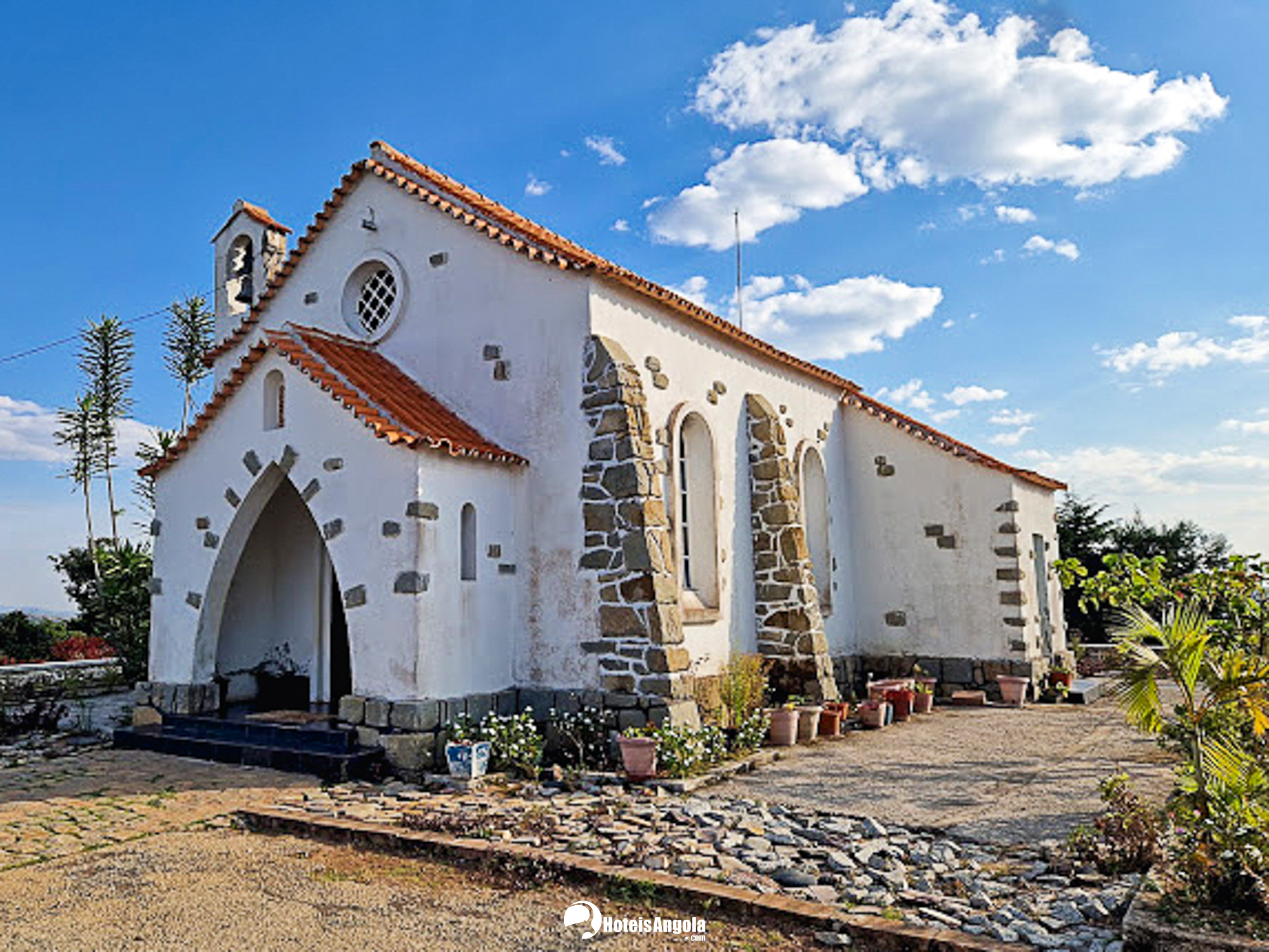
    Our Lady of Monte da Caála
    Caála

    Our Lady of Monte da Caála

    The work is the fulfillment of a Promise made to God by a lay Catholic, who had health problems.
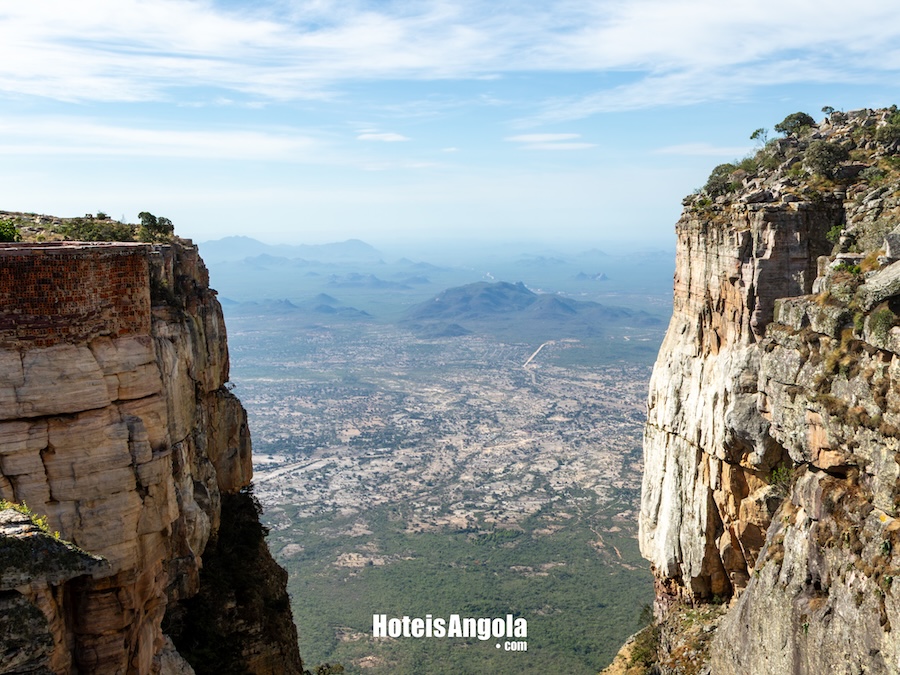
    Tundavala Rift
    Lubango

    Tundavala Rift

    The Tundavala Rift is a huge chasm of around 1200 m located in Serra da Leba, 18 km from Lubango, in the province of Huíla, in Angola.
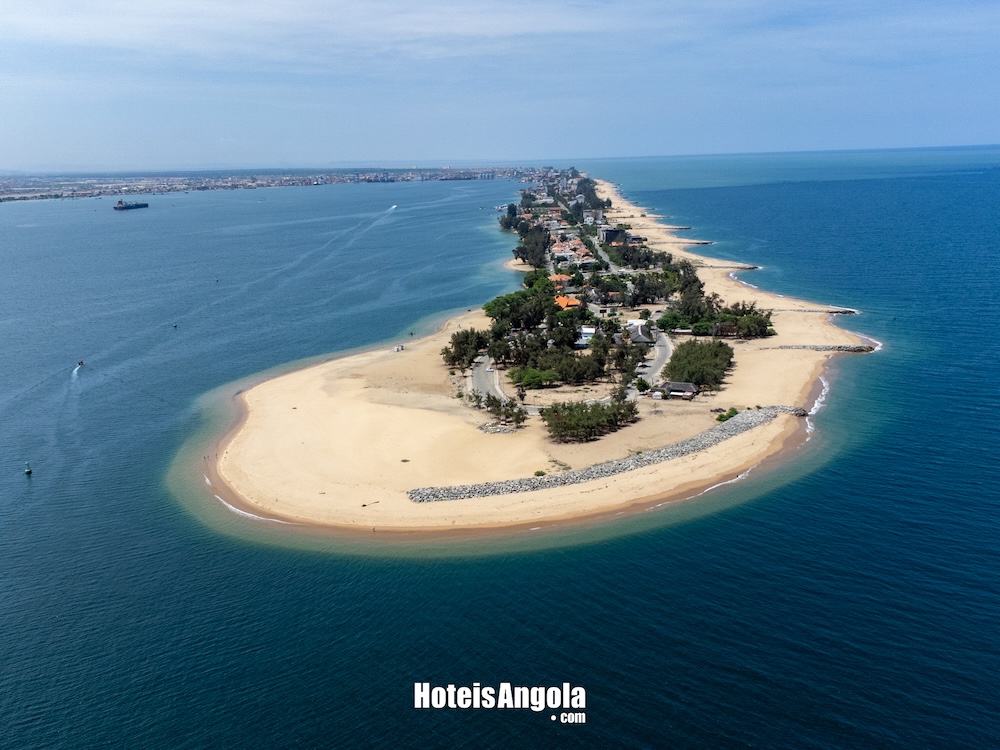
    Restinga do Lobito (Lobito sand spit)
    Lobito

    Restinga do Lobito (Lobito sand spit)

    The Lobito sandspit, also known as Tip of Sand spit, is a sandspit landform in Angola.
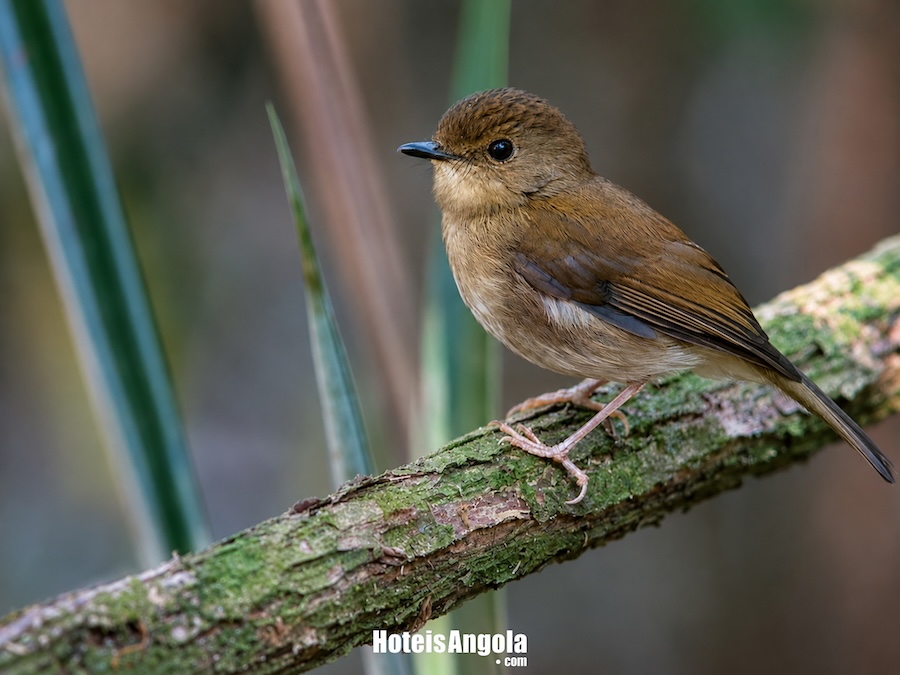
    Akalate da Gabela
    Cuanza Sul

    Akalate da Gabela

    a bird that only exists in a small region
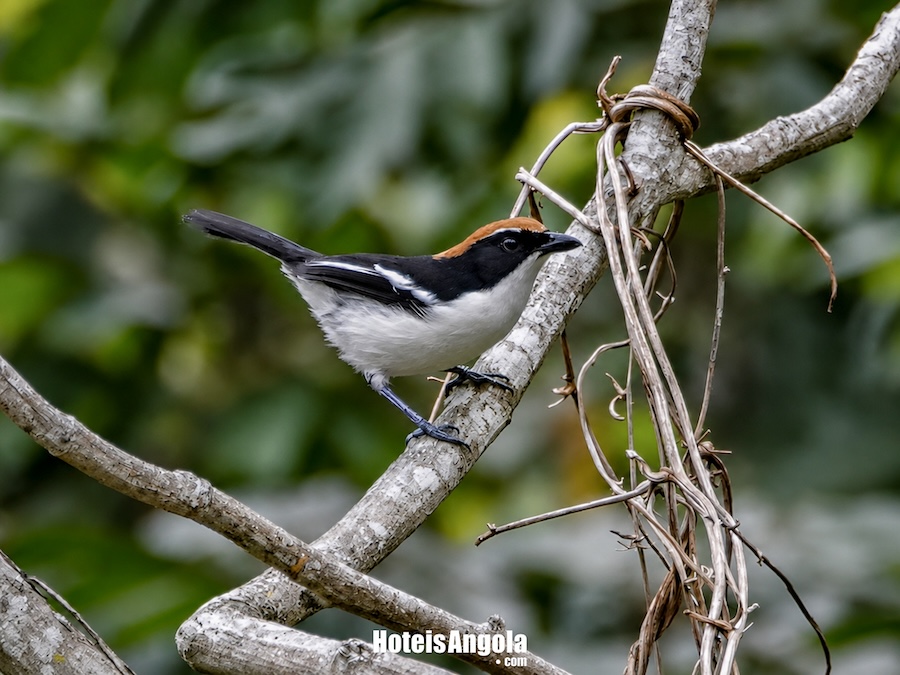
    Picanço da Gabela
    Cuanza Sul

    Picanço da Gabela

    a discreet presence among the vegetation
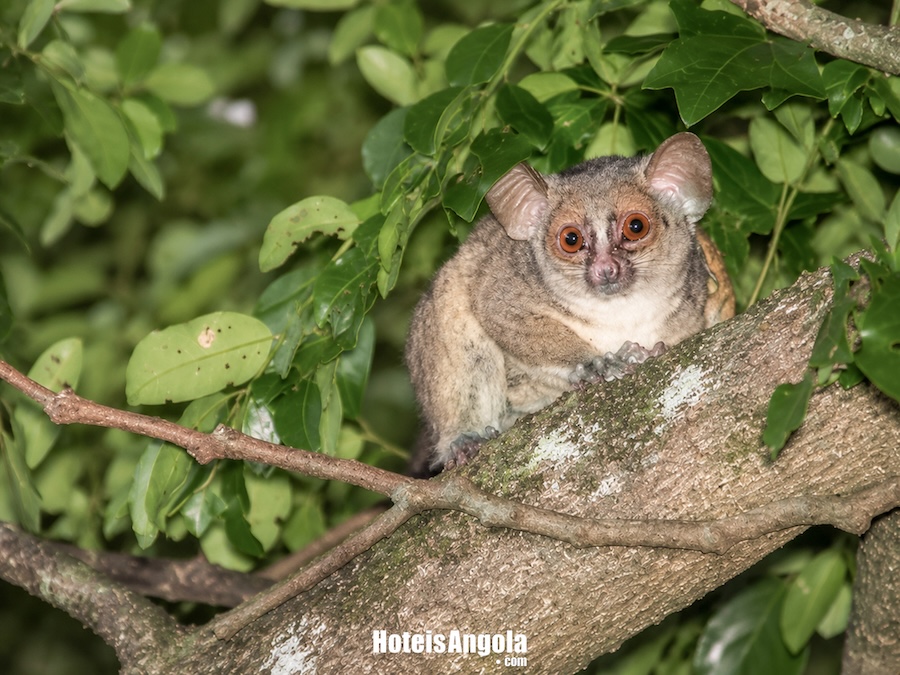
    Galago da Cumbira
    Cuanza Sul

    Galago da Cumbira

    The most unique inhabitant of Cumbira is probably the Cumbira galago, with the scientific name Galagoides kumbirensis.
    Black Guineafow (Agelastes niger)
    Cabinda

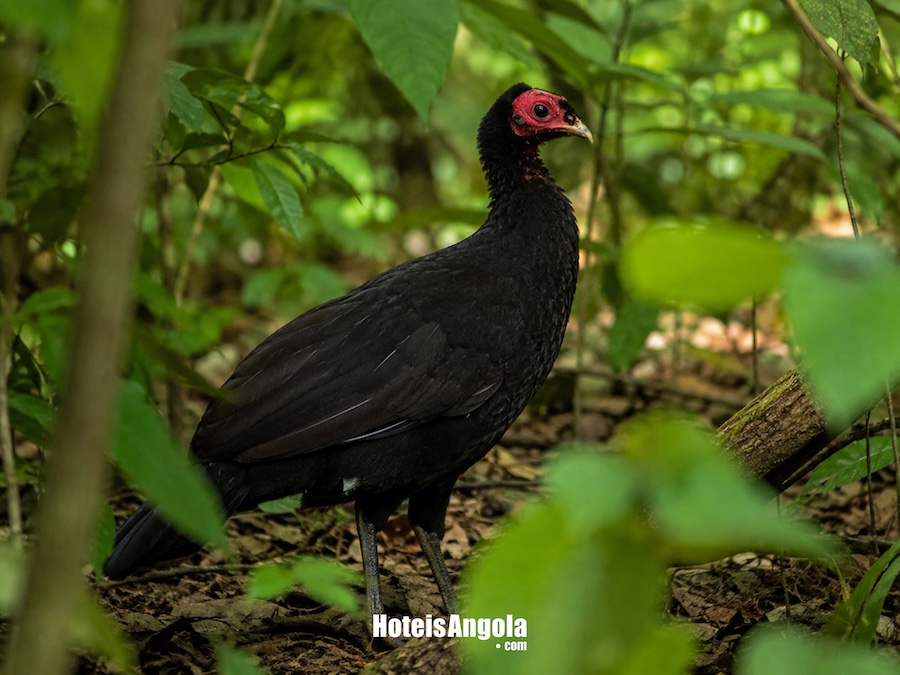
    Black Guineafow (Agelastes niger)

    The black Guineafowl is one of Africa's rarest forest birds and an emblematic species of the tropical forests in Cabinda province.
    Cumbira Forest
    Cuanza Sul

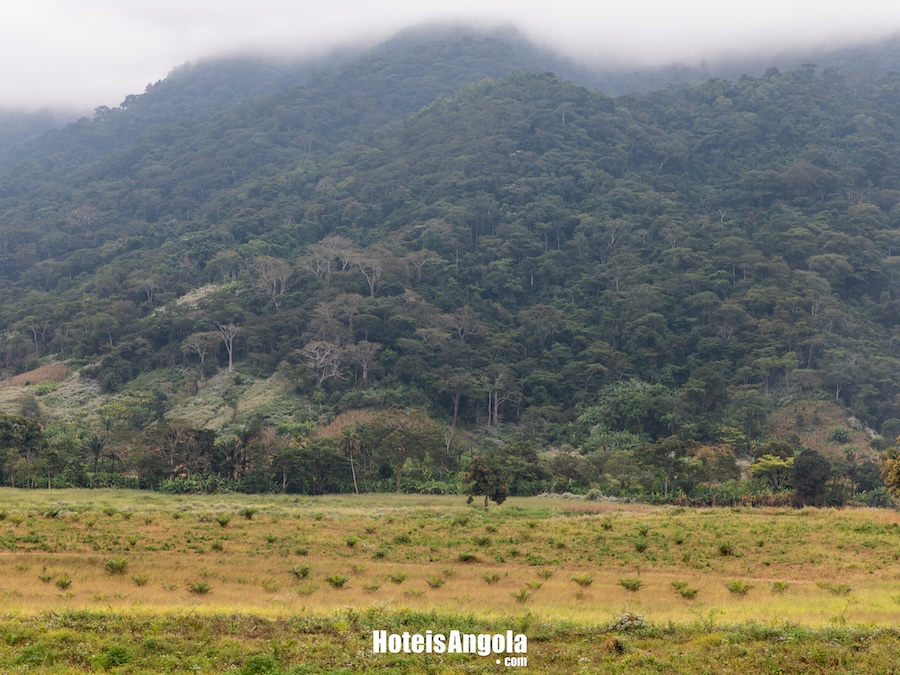
    Cumbira Forest

    the Angolan sanctuary where science discovered a new primate On the humid slopes of Cuanza Sul, an extraordinary forest survives, inhabited by some of the rarest birds in Angola and by a small nocturnal primate that received from this place
    BIMBE MISSION - Our Lady of the Annunciation
    Bailundo

    BIMBE MISSION - Our Lady of the Annunciation

    The Catholic Mission of Bimbe, currently called Janjo, is geographically located to the north of Huambo Province in the Municipality of Bailundo 75 km from the municipal headquarters, in the Commune of Luvemba and from the provincial headquarters at 150 km, bordering Kwanza- Su
    Cemitério de Kapangombe
    Bibala

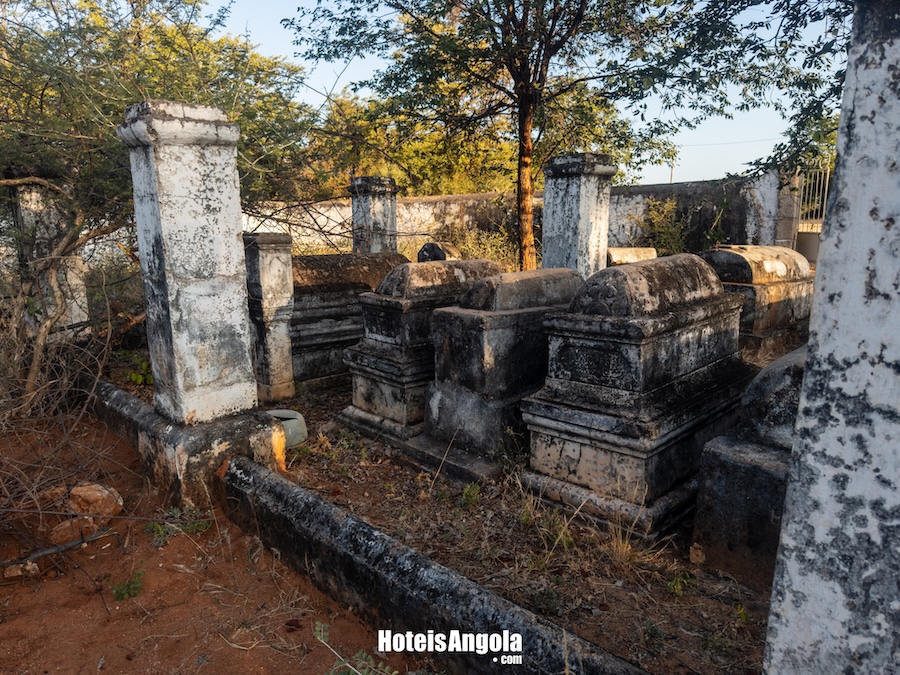
    Cemitério de Kapangombe

    Located at the foot of the majestic Serra da Chela, the Capangombe cemetery is an important testimony to the presence of the Boers in southern Angola. Their tombs, many of them built in stone and preserving typical characteristics of the ancient cities
    Quibala Fortress
    Cuanza Sul

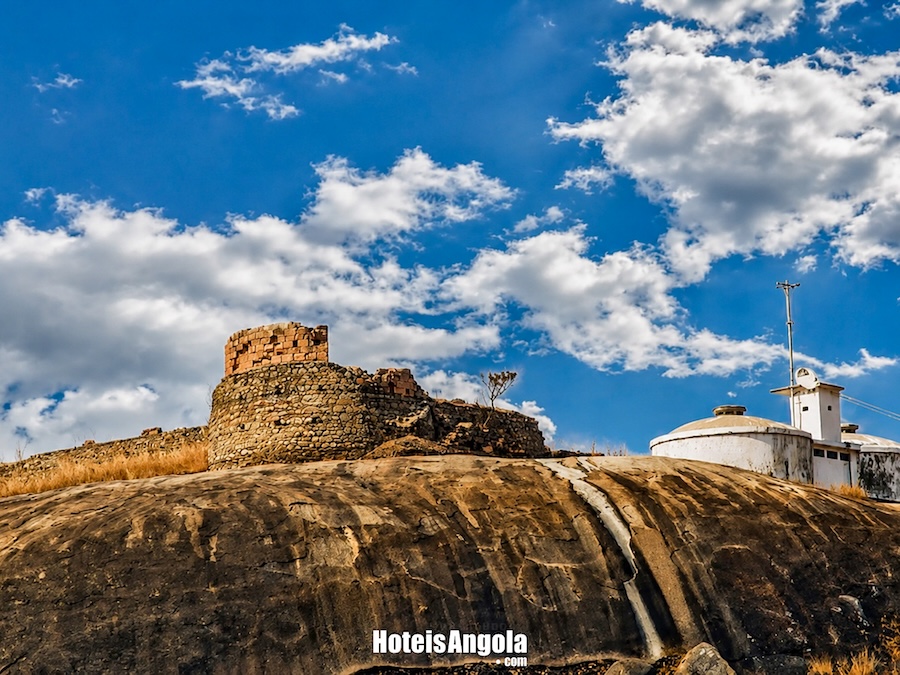
    Quibala Fortress

    Built in the late 19th century atop an imposing granite massif, the Quibala Fortress dominates the landscape and the town that grew at its feet.
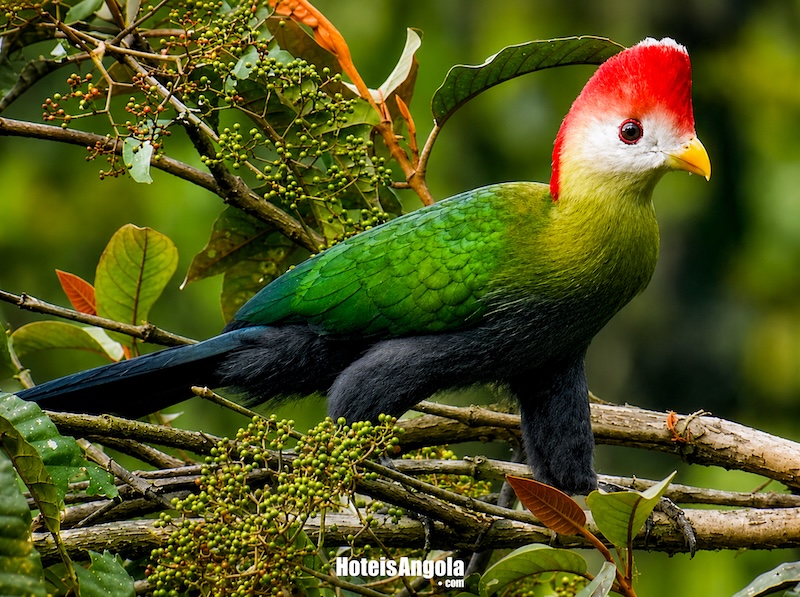
    Tauraco erythrolophus
    Cuanza Sul

    Tauraco erythrolophus

    the colors of the forest
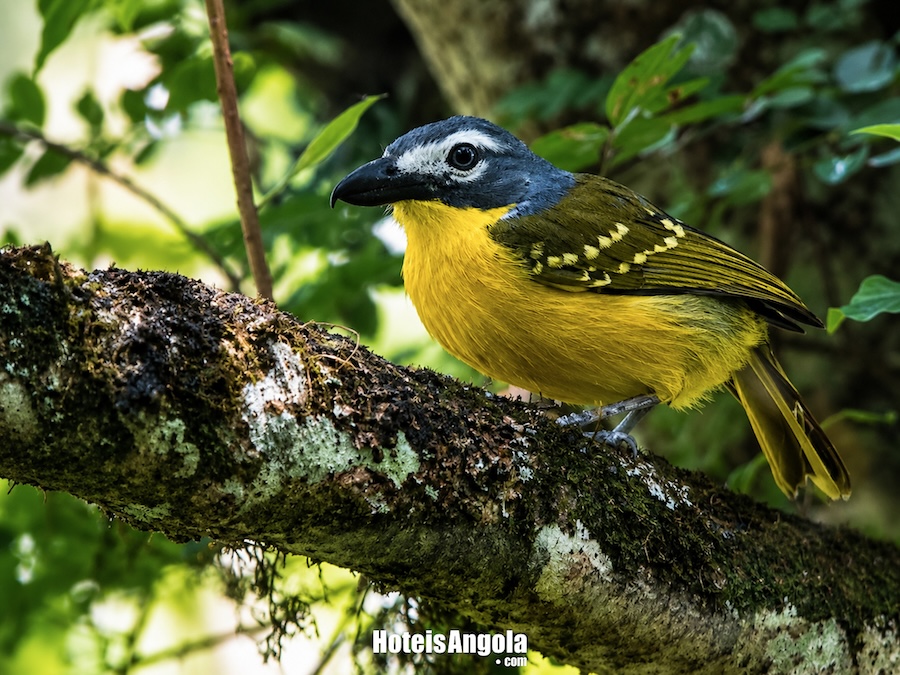
    Picanço-de-Monteiro
    Cuanza Sul

    Picanço-de-Monteiro

    a bird that only exists in a small region
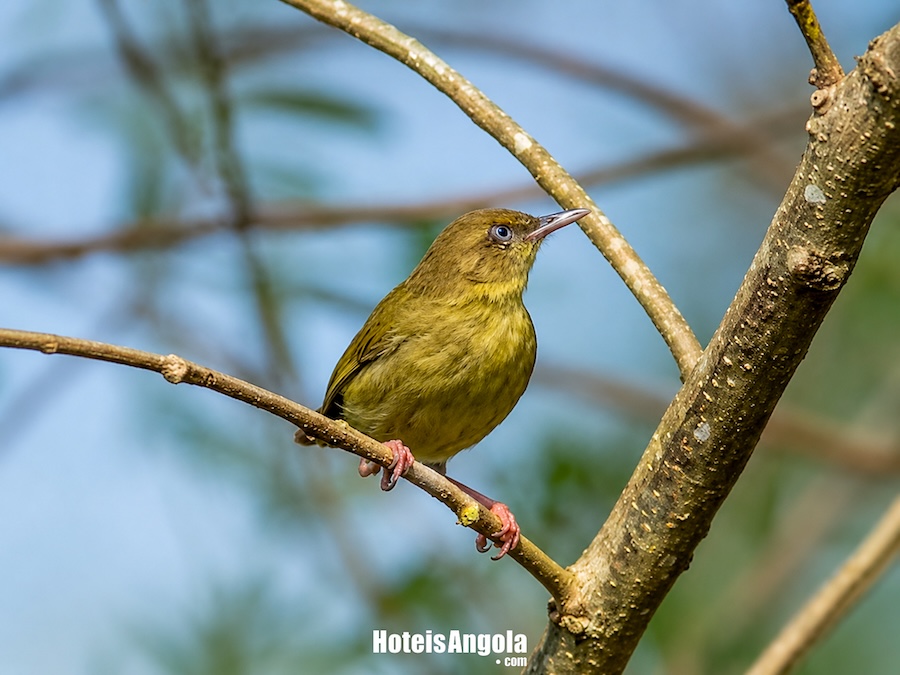
    Bico longo de Pulitzer
    Cuanza Sul

    Bico longo de Pulitzer

    an understory rarity

    Support Line

    WhatsApp WhatsApp

    Number: +244 931 510 510

    The message opens automatically when you click.

    Telefone Telephone

    Africell: +244 951 510 510

    Unitel: +244 931 510 510

    Email

    E-mail: info@hoteisangola.com

    For more detailed requests or to submit documentation.

    Available every day from 8:00 AM to 10:00 PM. Allows you to clarify doubts, support reservations, and guide you in choosing the best accommodation and tourist services.