- Hotels
- Rent-A-Car
- Routs
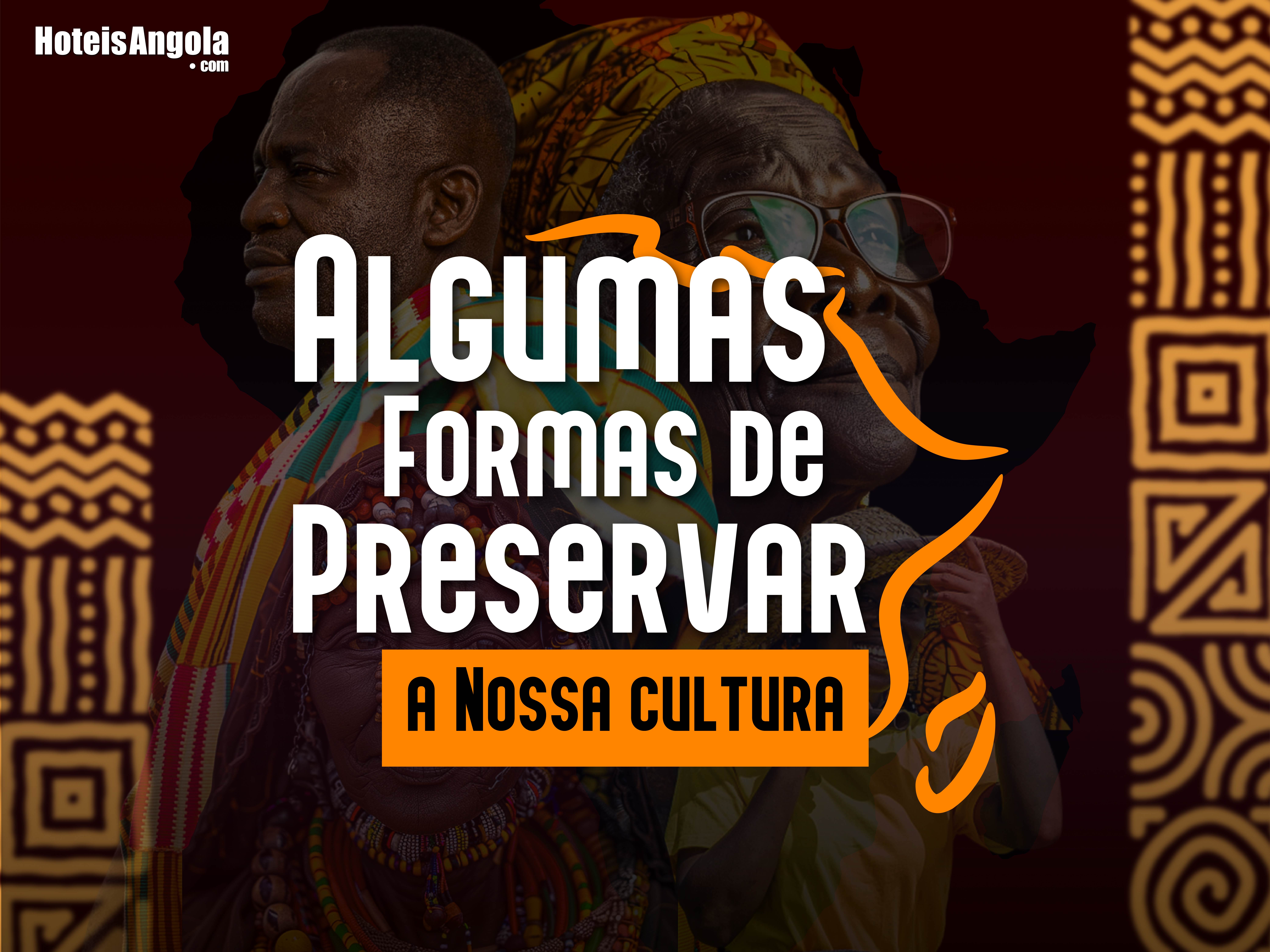
Whoever does not live their own roots has no sense of life.
The future is born from the past, which should not be worshipped as a mere memory but rather used for growth in the present, moving toward the future. We do not need to be conservative, nor should we be stuck in the past. But we need to be legitimate, and only our roots give us legitimacy.
Culture is defined as the set of beliefs, languages, rules, artistic manifestations, techniques, traditions, teachings, and customs produced and transmitted within a society. (Ex: the way people lived, dressed, procedures for choosing their leaders, hunting practices, dances, music, instruments used,) a more antiquated point of view.
We also refer to culture as the set of aspects that differentiate and identify one individual from another or even one region from another. For others, culture is understood as the behaviors, traditions, and knowledge of a given social group linked to language, typical foods, way of dressing, arts, religious beliefs, music, among others…
Valuing historical and cultural heritage is valuing the identity that shapes people. Therefore, preserving landscapes, works of art, popular festivities, cuisine, or any other cultural element of a people is maintaining that people’s identity. The cultural roots of a people are essential to preserve their origins, to affirm their identity and their sense of belonging to their region. These cultural, social, and family roots are elements of great importance in the formation of an individual’s identity and personality.
Although there are conservative regions, over time and with globalization, we gradually see habits and customs that identify us disappearing.
Therefore, there is a great individual and collective need to preserve what little remains and what identifies us as members belonging to a particular region.
Pack`s and Promotions

EXCLUSIVE HOTELS ANGOLA VOUCHER
Below are some practical examples you can apply in your daily life:
1. Gastronomy: Research local recipes and how to prepare them at home so that they become part of the family menu, but more than that, learn about the origin of the dish in question and the history involved in it, so that it is understood how it became the dish it is today, and thus make it part of the family identity.
Dance, our country is very rich in styles, semba, kizomba are usually the most well-known (and understandably so… a captivating and joyful rhythm); at social gatherings, stepping onto the dance floor in the national style is always a way to preserve our origins, as the poet once said, “move the chair aside and turn up the volume.”
3. Handicrafts: our people are rich in art in its most diverse forms and creativity, from paintings, sculpture, traditional fabrics to conventional pieces, the point is, if there is so much beauty in our art! Why not beautify our daily lives with national art?
4. Literature: “we shall return” to storytelling around the fire, leaving smartphones aside in this story, back to the tales of umbi-umbi and tchikissi-kissi to scare those who do not want to go to bed early, to the incredible fables of mystical animals and warrior tribes; the point here is an immense richness to be explored not only in literature but also verbally, in the transmission of stories from elders to the young in an intense, rich, and vibrant way, capable of creating identity and shaping our character development.
There are many other points to be addressed, from self-defense with a preference for a national martial art such as capoeira, which encompasses four elements in one (music, history, sport, art), as well as more traditional rites such as traditional wedding ceremonies (proposal, alambamento), as well as daily clothing choices, preferring vibrant pieces in bright and joyful colors that carry the mark of our roots. And what about natural kinky hair with its own identity, from Cabinda to Cunene it conveys a message of “beauty,” as the song says, black woman with natural hair, wear braids and convey a message of natural beauty.Keeping culture alive is not a difficult task; it simply requires a bit of vision and awareness to realize that our culture has inestimable value. Everyone is invited to make their contribution and to make this land a more vibrant place for all in a simple, practical, and diverse way.
DIY Itineraries

Luanda Historical and Cultural Tour

Wonders of the Desert Itinerary

Huila Wonders Tour

Itinerary from Menongue to Lubango

Cuito Cuanavale itinerary

Saco Mar itinerary

Moçâmedes Basic Route

Basic Caotinha Route

Huambo Basic Route

Lubango Basic Route

Wonders of Malanje Tour

Beaches in the South of Benguela

Catumbela itinerary

Dombe Grande itinerary

Benguela City Tour

Conda's itinerary

Itinerary to Egypt Beach

Lobito City Tour

Route from Huila to Chibia

Humpata itinerary
+ Info news article
-
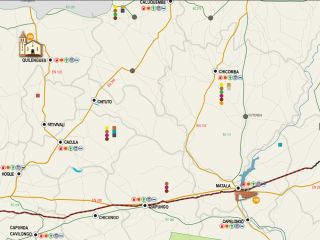 The Huíla Tourist Map project was presented on September 15th, in the Huíla Provincial Government Auditorium, in a session dedicated to sharing the work developed and collecting contributions for i...
 -
 Hotels bear commissions on funds allocated to the State, while tourists are forced to look for cash, facing discomfort and possible security risks.
 -
 O turismo angolano encontra-se num momento decisivo. Nos últimos anos foram alcançados alguns progressos, mas continuam a existir desafios estruturais que condicionam a competitividade do sector e ...
 -
 A entrada em vigor da Contribuição Especial para o Turismo, correspondente a 5% sobre as estadias de turistas internacionais, continua a levantar inúmeras dúvidas entre hotéis, aparthotéis, pousada...
 -
 The project aims to provide visitors with essential information about the territory's main attractions.
Newsletter - Promotions and highlights in your email
Support Line
 WhatsApp
 Telephone
 Email
Email
Available every day from 8:00 AM to 10:00 PM. Allows you to clarify doubts, support reservations, and guide you in choosing the best accommodation and tourist services.