- Hotels
- Rent-A-Car
- Routs
Travel to the Past: Discovering Angola's museums
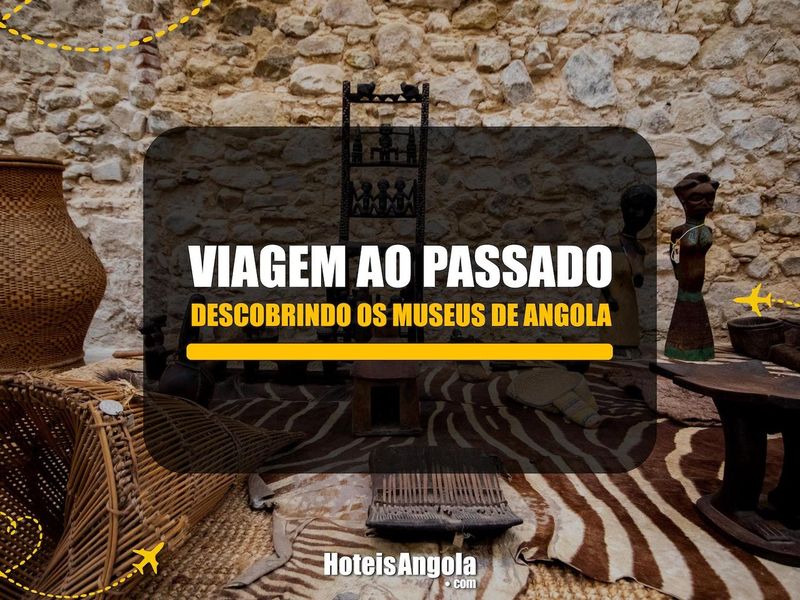
Major cities have museums, so when preparing your travel itinerary, it's worth researching the existence of historical collections open and available for visits in your destination.
Many people think they are just a path to the past, when in fact they are much more than that.
It is a place of connection between past, present, and future, because looking at the past means understanding what was done to improve mechanisms that can influence the present, so that new knowledge and techniques are made available for the sustainability of future generations.
Museums are important instruments for preserving the cultural memory of a people and are responsible for their tangible and intangible heritage.
A museum's role is to inform and educate through permanent exhibitions, recreational activities, multimedia, theater, video, and laboratories. It's the ideal space to spark curiosity, stimulate reflection and debate, promote socialization and the principles of citizenship, and contribute to the sustainability of cultural transformations.
So, today we bring you some suggestions of museums to visit in Angola:

Luanda
Armed Forces Museum
Implanted in 1975, after the independence of Angola, the Armed Forces Museum is installed in the Fortress of São Miguel. See more The museum's collection includes twin-engine airplanes, tanks, various weapons and artefacts used during the ...

Luanda
National Slavery Museum
The National Slavery Museum is located in Morro da Cruz, in the city of Luanda, in Angola. Dedicated to the memory of slavery, it is an outstanding cultural institution in the country.

Luanda
National Museum of Anthropology
In addition to its permanent nucleus, the museum also hosts several temporary exhibitions

Luanda
National Museum of Natural History of Angola
The National Museum of Natural History of Angola is located in Largo do Kinaxixe, in the city of Luanda, in Angola.

Luanda
National Museum of Military History
Formerly known as the Central Museum of the Armed Forces, it was installed in 1978, in a precarious situation with its degraded museum elements. It is currently in good condition, with the collection recovered.

Luanda
Currency Museum
The Currency Museum presents the history of money from Zimbo to Kwanza.

Lunda Norte
Dundo Museum
The Dundo Museum is an Angolan national museum located in Dundo. It has an ethnographic collection of the geographical area of Lunda and neighboring peoples, predominantly objects of the “chocue” ethnic group....

Lubango
Huíla Regional Museum
The Huíla Regional Museum is a public, permanent, scientific, non-profit institution, at the service of society and its development, open to the public that acquires, preserves, researches, disseminates and exhibits material testimonies
Benguela
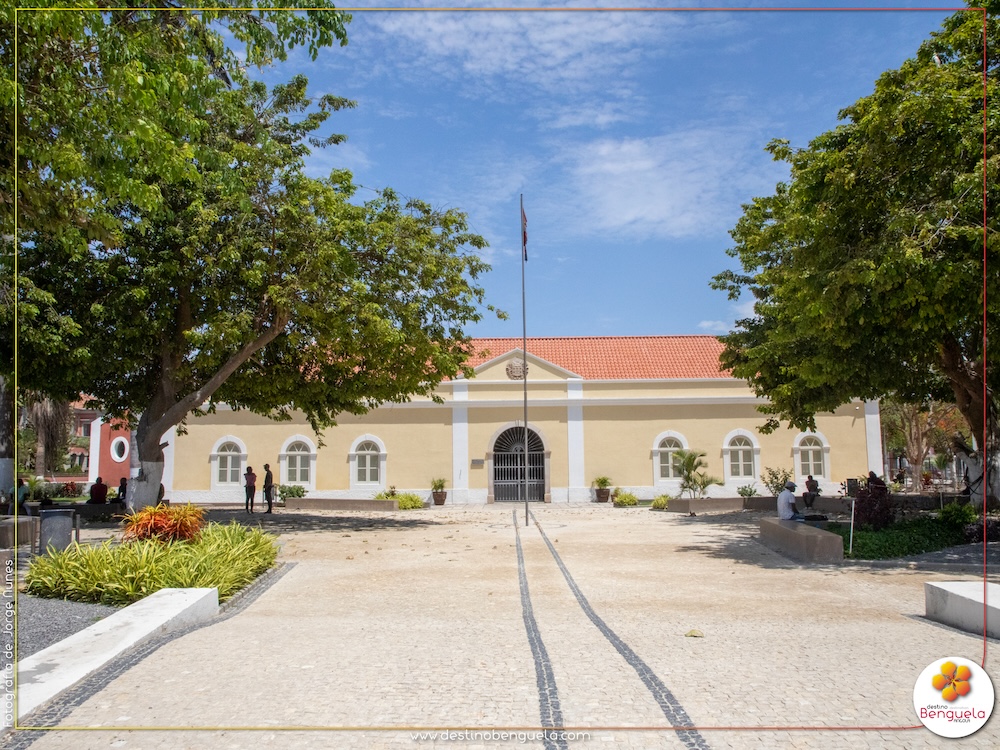
National Archeology Museum
It is located in the city of Benguela and has a collection of around 9,150 pieces.

Cabinda
Museu Regional de Cabinda
Created on May 18, 1986, it underwent several modifications, with the inclusion of more exposure rooms, meetings and archaeological studies and research, as well as offices that offer better conditions and workers. Ten technicians assure
+ Info news article
-
 The Huíla Tourist Map project was presented on September 15th, in the Huíla Provincial Government Auditorium, in a session dedicated to sharing the work developed and collecting contributions for i...
 -
 Hotels bear commissions on funds allocated to the State, while tourists are forced to look for cash, facing discomfort and possible security risks.
 -
 O turismo angolano encontra-se num momento decisivo. Nos últimos anos foram alcançados alguns progressos, mas continuam a existir desafios estruturais que condicionam a competitividade do sector e ...
 -
 A entrada em vigor da Contribuição Especial para o Turismo, correspondente a 5% sobre as estadias de turistas internacionais, continua a levantar inúmeras dúvidas entre hotéis, aparthotéis, pousada...
 -
 The project aims to provide visitors with essential information about the territory's main attractions.
Newsletter - Promotions and highlights in your email
Invalid e-mail address
Please wait...