- Hotels
- Rent-A-Car
- Routs
Armed Forces Museum
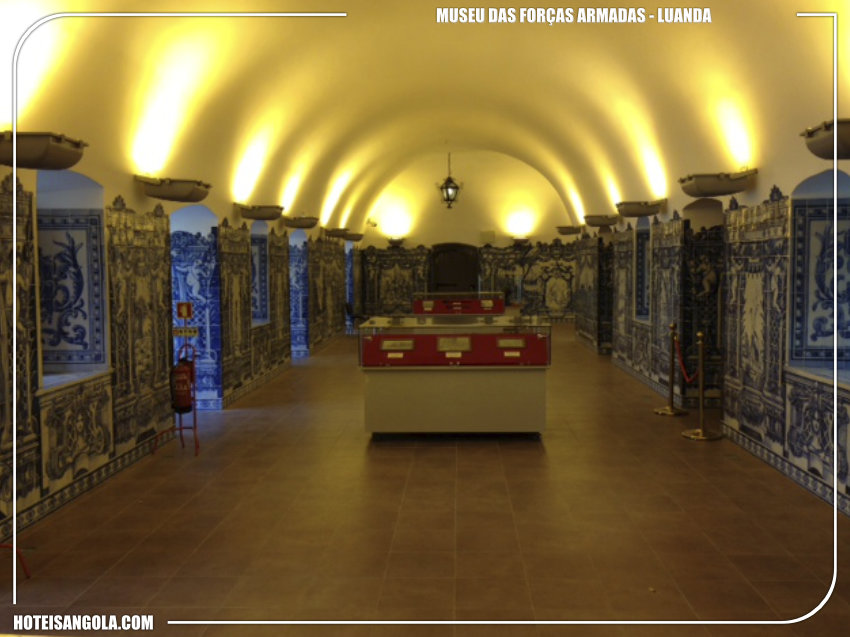
Established in 1975, after Angola's independence, the Armed Forces Museum is located in the São Miguel Fortress.
The museum's collection includes twin-engine planes, combat vehicles, various weapons and artefacts used during the War of Independence and the Civil War, including a bust of the war leader and first President of the Republic of Angola, Agostinho Neto.
In the museum you can also find several statues that decorated avenues and squares in colonial Luanda and that were removed after independence, namely that of Diogo Cão, the first European to set foot on Angolan soil, that of Paulo Dias de Novais, the founder of the city of Luanda, that of Vasco da Gama, the discoverer of the sea route to India, and that of Luís de Camões, the greatest poet in the Portuguese language, among others.
Chronology*
1575 – Paulo Dias de Novais disembarks in Luanda as governor, and immediately orders the construction of a fortress to protect the bay;
1625 – King Philip III orders the creation of a commission to study the fortification of the city;
1634 – Construction of a new fortification;
1641 – Attack on the fortification by the Dutch, who occupied it, changing its name to Fort Amsterdam, or according to other sources, Fort Aardenburgh;
1650 – Governor Salvador Correia de Sá e Benevides presented the new fortification plans for Luanda to the Overseas Council, carried out by French engineer Pedro Pelique. The fort, which until the Dutch invasion had been called São Paulo, had its name changed to São Miguel, the saint of Salvador Correia de Sá's devotion.
1669 / 1676 – Reconstruction of the fortress in masonry, during the government of Francisco de Távora, leaving a bastion and two curtains completed;
1697 / 1701 – Construction of the gunpowder house inside the fortress, during the rule of César Meneses;
In 1771, cannons were cast in the fort, this being the only African fort where cannons were cast for its defense.
1876, 15 September – Ordinance creating the Angola Exile Deposit, which was established in the fortress in 1881;
1930 / 1938 – Extinction of the Exile Deposit and abandonment of the fortification;
1938 – Installation of the Angola Museum by the Portuguese government; placement of tile panels in a casemate with scenes from the history of Angola and specimens of fauna and flora;
1938, 8 September – classified as a National Monument, by Ordinance of the then Minister of Colonies, Francisco José Vieira Machado;
1961 – Total removal of the museum’s collection, returning the fortress to assume military functions;
Installation of the Advanced Combat Detachment of the Tancos Parachute Hunters Battalion that had headed to Angola in March 1961, and then the 1st Parachute Hunters Company of the Parachute Hunters Battalion No. 21 remained there , until the creation of the new unit, in Belas (in 1964);
installation of a Military Police Company;
installation of the Chief Command of the Armed Forces of Angola.
1975 – 10 November, last ceremony of lowering the Portuguese Flag in Angola, held at Fortaleza de S. Miguel, in front of the three branches of the Portuguese Armed Forces (Air Force Paratroopers; Navy Fusiliers; Army Cavalry).
1975-1978 – General Staff of the Popular Armed Forces for the Liberation of Angola (FAPLA);
1978 – July 31, the Central Armed Forces Museum opens;
1995 – Specific interventions to restore the building
1996 – Included in the UNESCO World Heritage Tentative List.
2001/2005 (?) – The fort returns to (partial) military use, being integrated into the defense system in the area of sensitive points in the Angolan capital.
2013 – April 4, the National Museum of Military History opened.
In the museum you can also find several statues that decorated avenues and squares in colonial Luanda and that were removed after independence, namely that of Diogo Cão, the first European to set foot on Angolan soil, that of Paulo Dias de Novais, the founder of the city of Luanda, that of Vasco da Gama, the discoverer of the sea route to India, and that of Luís de Camões, the greatest poet in the Portuguese language, among others.
Chronology*
1575 – Paulo Dias de Novais disembarks in Luanda as governor, and immediately orders the construction of a fortress to protect the bay;
1625 – King Philip III orders the creation of a commission to study the fortification of the city;
1634 – Construction of a new fortification;
1641 – Attack on the fortification by the Dutch, who occupied it, changing its name to Fort Amsterdam, or according to other sources, Fort Aardenburgh;
1650 – Governor Salvador Correia de Sá e Benevides presented the new fortification plans for Luanda to the Overseas Council, carried out by French engineer Pedro Pelique. The fort, which until the Dutch invasion had been called São Paulo, had its name changed to São Miguel, the saint of Salvador Correia de Sá's devotion.
1669 / 1676 – Reconstruction of the fortress in masonry, during the government of Francisco de Távora, leaving a bastion and two curtains completed;
1697 / 1701 – Construction of the gunpowder house inside the fortress, during the rule of César Meneses;
In 1771, cannons were cast in the fort, this being the only African fort where cannons were cast for its defense.
1876, 15 September – Ordinance creating the Angola Exile Deposit, which was established in the fortress in 1881;
1930 / 1938 – Extinction of the Exile Deposit and abandonment of the fortification;
1938 – Installation of the Angola Museum by the Portuguese government; placement of tile panels in a casemate with scenes from the history of Angola and specimens of fauna and flora;
1938, 8 September – classified as a National Monument, by Ordinance of the then Minister of Colonies, Francisco José Vieira Machado;
1961 – Total removal of the museum’s collection, returning the fortress to assume military functions;
Installation of the Advanced Combat Detachment of the Tancos Parachute Hunters Battalion that had headed to Angola in March 1961, and then the 1st Parachute Hunters Company of the Parachute Hunters Battalion No. 21 remained there , until the creation of the new unit, in Belas (in 1964);
installation of a Military Police Company;
installation of the Chief Command of the Armed Forces of Angola.
1975 – 10 November, last ceremony of lowering the Portuguese Flag in Angola, held at Fortaleza de S. Miguel, in front of the three branches of the Portuguese Armed Forces (Air Force Paratroopers; Navy Fusiliers; Army Cavalry).
1975-1978 – General Staff of the Popular Armed Forces for the Liberation of Angola (FAPLA);
1978 – July 31, the Central Armed Forces Museum opens;
1995 – Specific interventions to restore the building
1996 – Included in the UNESCO World Heritage Tentative List.
2001/2005 (?) – The fort returns to (partial) military use, being integrated into the defense system in the area of sensitive points in the Angolan capital.
2013 – April 4, the National Museum of Military History opened.
Fortaleza de São Miguel, Luanda, Angola
Map
Accommodation
Benguela surrounding area
- 8.8 27 reviews from kz 90,000Aparthotel Mil Cidades
- 6.9 24 reviews from kz 50,000Hotel Praia Morena
- 7.4 9 reviews from kz 45,000Hotel Luso
- 7.4 5 reviews from kz 25,000Calmito Aparthotel
- 7.6 5 reviews from kz 27,000Residencial Royal Plaza Ombaka
- 0.0 0 reviews from kz 35,900Hotel Residencial KUYOYA
- 8.4 3 reviews from kz 33,990Hotel Pequeno Brasil
- 7.4 2 reviews from kz 22,000Residencial VG - Navegantes
- 8.5 3 reviews from kz 22,000Residencial VG - Cidade
- 0.0 0 reviews from kz 60,000Residencial Mussenga
- 9.6 2 reviews from kz 54,500Flow Hotel
- 6.7 3 reviews from kz 19,500Residencial Azul
- 8.8 2 reviews from kz 20,000Residencial Filipa
Lobito surrounding area
- 6.9 7 reviews from kz 36,800Hotel Chik Chik II
- 7.5 11 reviews from kz 78,000Hotel Turimar
- 7.8 2 reviews from kz 30,000Uami Guest House
- 8.1 10 reviews from kz 50,000Hotel H&L
- 7.2 1 reviews from kz 70,000Pink House
- 8.0 10 reviews from kz 16,000Residencial Rosalina Express
- 0.0 0 reviews from kz 45,000Baía da Restinga - Guest House
- 8.9 6 reviews from kz 55,000Oceano Boutique Hotel
- 0.0 0 reviews from kz 80,500Aparthotel Aurora
- 9.2 1 reviews from kz 75,000Almar Aparthotel
Baía Farta surrounding area
- 7.4 10 reviews from kz 90,000Hotel Duas Faces
- 8.3 9 reviews from kz 75,000Lodge Kapembawé
- 8.1 19 reviews from kz 115,000CV Lodge & Spa
+ Travel Itineraries
-
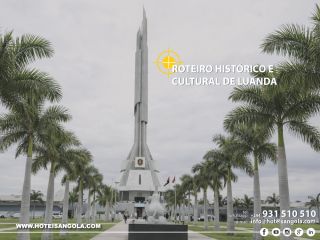 Museum Route located in Luanda, This itinerary is an immersive journey through the origins, memories and living expressions of the Angolan capital.
 -
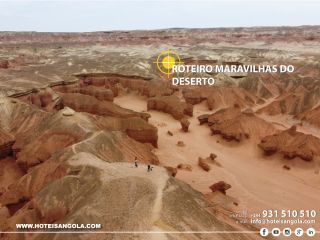 Namibe Desert, takes you to discover its charms.
 -
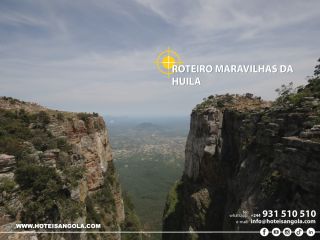 Discover the wonders of Huíla province in Angola with an unforgettable tourist itinerary that covers the most emblematic and stunning tourist attractions in the region.
 -
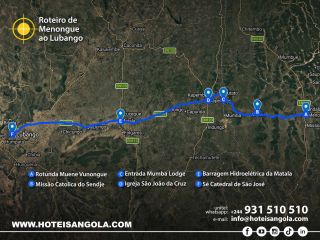 This Itinerary is a true immersion in the wild nature and cultural authenticity of southeast Angola.
Informations:
Newsletter - Promotions and highlights in your email
Invalid e-mail address
Please wait...
Support Line
 WhatsApp
 Telephone
 Email
Email
Available every day from 8:00 AM to 10:00 PM. Allows you to clarify doubts, support reservations, and guide you in choosing the best accommodation and tourist services.