- Hotels
- Rent-A-Car
- Routs
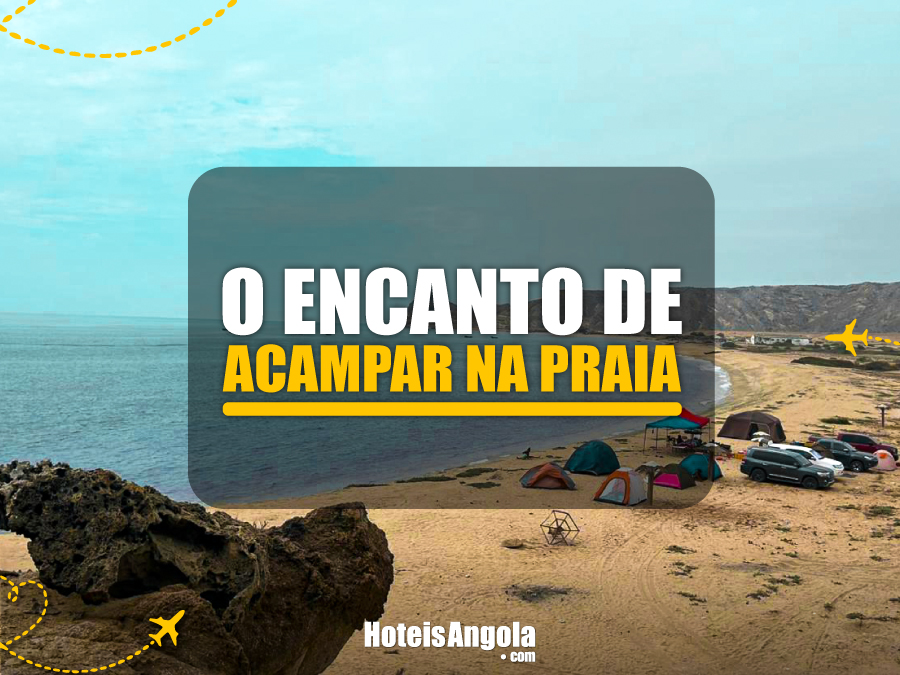
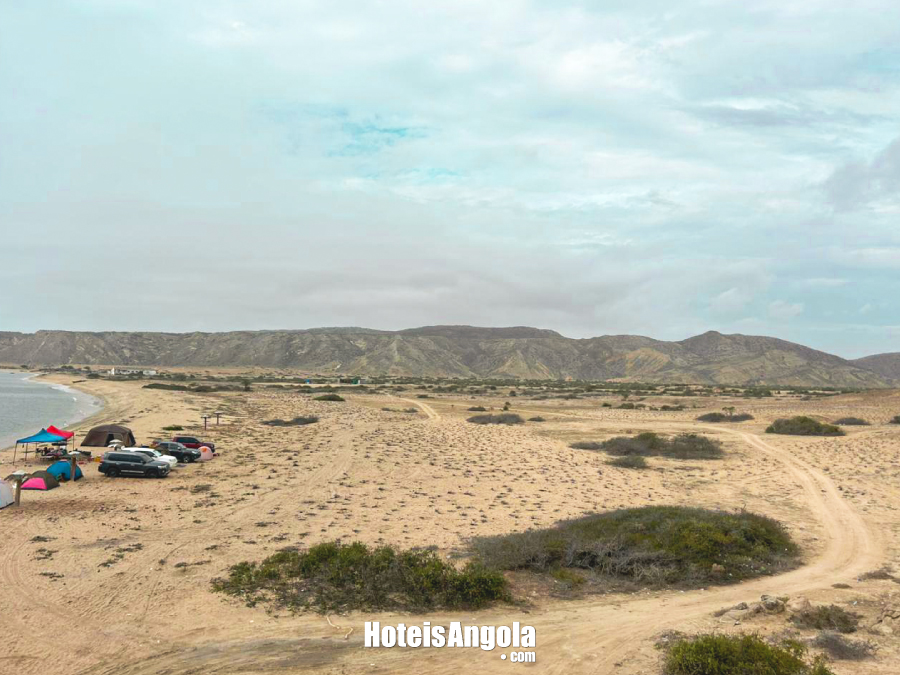
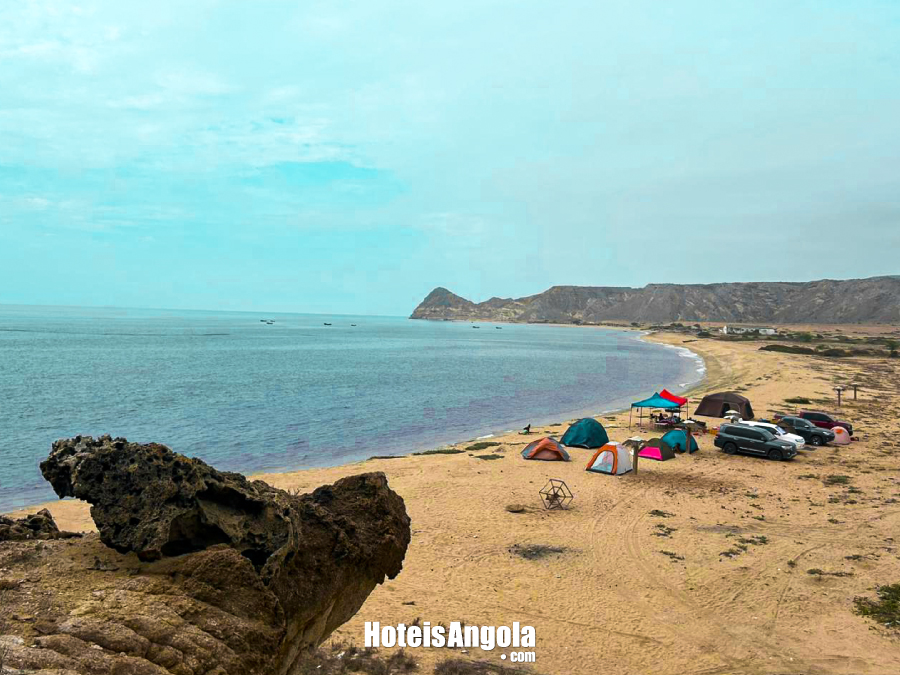
In Angola, with its extensive coastline bathed by the Atlantic, the opportunities are generous. From more isolated stretches along the Namibe coast to the serene beaches of Benguela and the landscapes near Luanda, each setting offers its own atmosphere for those who wish to live this experience authentically.
For the conscious traveler, it is not just about adventure, but about balancing freedom and prudence.
Whether for a romantic getaway, a trip with friends, or an introspective retreat, the Angolan coastline offers memorable scenery. With caution and attention to safety, sleeping to the sound of the sea can become one of the most remarkable experiences of your journey.
Planning: the first step toward a safe experience
Before setting up your tent, it is essential to analyze some critical factors:- Location choice: Prefer stable areas, away from the high tide line; observe previous tide marks on the sand.
- Weather forecast: Coastal winds can intensify during the night; check conditions before departure.
- Local permissions: Some beaches require authorization or have environmental restrictions.
The coastal environment is dynamic; the tide rises silently and the wind can change direction quickly.
Planning is not excessive caution — it is basic survival.
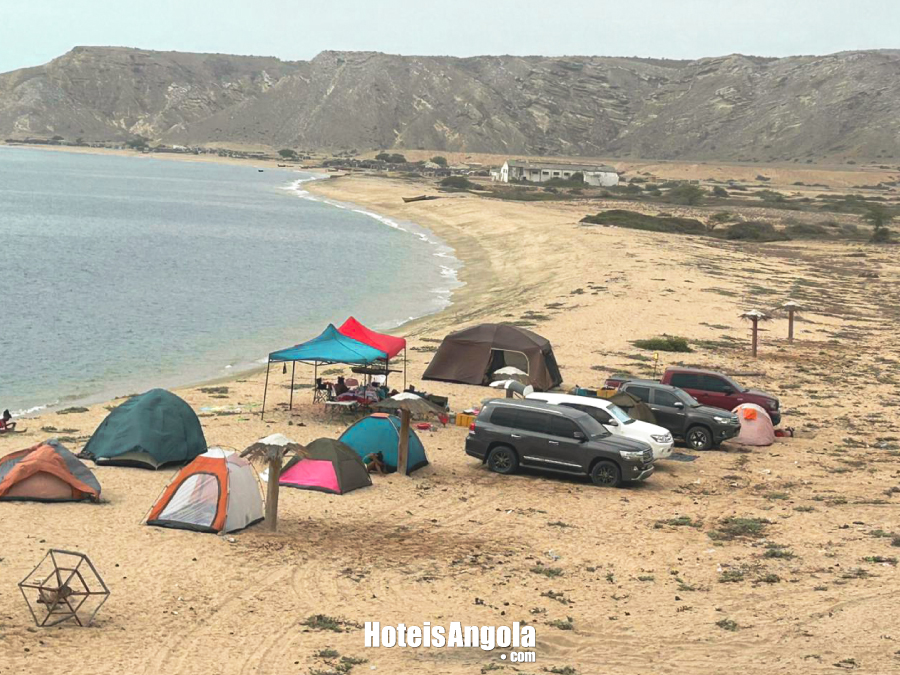
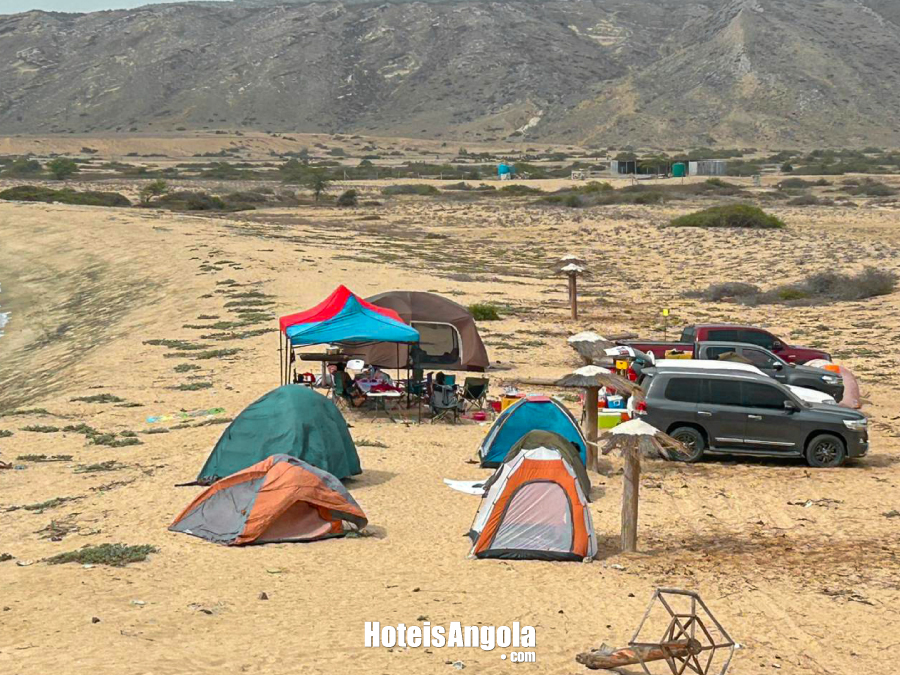
Essential survival tipsCamping on the beach requires specific care, different from camping in forest areas:1. Wind protection Use reinforced stakes and partially bury the base of the tent in the sand for greater stability. Natural barriers such as dunes can help, but always respect the ecosystem. 2. Constant hydration Exposure to sun and salt accelerates dehydration. Bring more drinking water than estimated. Do not rely on improvised sources. 3. Food preservation Use airtight coolers. Heat and sand favor rapid contamination. 4. Proper lighting Headlamps and LED lights are safer than candles or improvised fires, especially in windy areas. 5. Environmental respect Take all your waste with you. The concept of “leave no trace” is essential to preserve the natural beauty of Angolan beaches. |
DIY Itineraries

Luanda
Luanda Historical and Cultural Tour
Museum Route located in Luanda, This itinerary is an immersive journey through the origins, memories and living expressions of the Angolan capital.

Namibe
Wonders of the Desert Itinerary
Namibe Desert, takes you to discover its charms.

Huila
Huila Wonders Tour
Discover the wonders of Huíla province in Angola with an unforgettable tourist itinerary that covers the most emblematic and stunning tourist attractions in the region.

Cubango
Itinerary from Menongue to Lubango
This Itinerary is a true immersion in the wild nature and cultural authenticity of southeast Angola.

Cubango
Cuito Cuanavale itinerary
Cuito Cuanavale is a town and municipality in Angola, famous for the Battle of Cuito Cuanavale (1987-1988), one of the biggest clashes of the Angolan Civil War, crucial to the liberation of Southern Africa and the end of apartheid.

Namibe
Saco Mar itinerary
An itinerary that will take you to see some of the main tourist attractions mentioned in Saco Mar.

Namibe
Moçâmedes Basic Route
An itinerary that will take you to see some of the main tourist attractions in Namibe and its surroundings.

Benguela
Basic Caotinha Route
The essentials for exploring the beach and local life in Caotinha

Huambo
Huambo Basic Route
Recommended 2 days in Huambo, to see the main tourist attractions

Huila
Lubango Basic Route
An itinerary that will take you to see the main tourist attractions in the city and surrounding areas.

Malanje
Wonders of Malanje Tour
Come and explore the natural and cultural beauties of the province of Malanje on a tourist itinerary that includes the main tourist attractions in the region.

Benguela
Beaches in the South of Benguela
Benguela is a destination known for its golden sand beaches, crystal clear water and a peaceful atmosphere.

Benguela
Catumbela itinerary
Get ready to embark on a charming itinerary through the city of Catumbela, a hidden wonder in the province of Benguela, in Angola.

Benguela
Dombe Grande itinerary
Discover Dombe Grande: A Fascinating Tourist Itinerary

Benguela
Benguela City Tour
Benguela is a city and municipality, capital of the province of Benguela, in western Angola, composed only of the main commune, which is organized into six zones.

Cuanza Sul
Conda's itinerary
Amidst mountains and valleys

Benguela
Itinerary to Egypt Beach
Don't miss an itinerary full of History, and surrounded by the breathtaking nature of Egypt Praia

Benguela
Lobito City Tour
Lobito is known for its historical/economic importance in the national context. Founded in 1843, it played a fundamental role in the development of the fishing industry and international trade, thanks to its strategically located port...

Huila
Route from Huila to Chibia
Embark on an exciting journey and explore a region rich in natural beauty, stunning landscapes and vibrant culture.

Huila
Humpata itinerary
Venture out to discover the municipality of Humpata located in the south of the province, bordered to the north by the municipality of Lubango, to the east by the municipality of Chibia.
First aid: prevention and quick response
Coastal environments present specific risks. Having a well-equipped first aid kit is not optional — it is essential.Essential items in the kit:
- Saline solution (for cleaning wounds or eyes irritated by sand)
- Antiseptic disinfectant
- Adhesive bandages and sterile gauze
- Elastic bandages
- Ointment for sunburns
- Antihistamine (for allergic reactions)
- Pain reliever and antipyretic
- Small scissors and tweezers
Most common situations:
- Sunburn: Apply cold compresses and soothing moisturizer. Avoid further exposure.
- Cuts from shells or rocks: Clean immediately with saline solution and disinfect.
- Insect bites or small marine animal stings: Watch for signs of severe allergic reaction (excessive swelling, difficulty breathing). In case of intense symptoms, seek medical assistance immediately.
- Dehydration: Dizziness, headache, and weakness are warning signs. Rehydrate and seek shade.
Camping on the beach is a complete sensory experience: the smell of the sea breeze, the continuous sound of the waves, the night sky free from light pollution. It is also an exercise in responsibility and preparation.
Pack your backpack, respect nature, and allow yourself to experience the Atlantic up close.
Support Line
 WhatsApp
 Telephone
 Email
Email
Available every day from 8:00 AM to 10:00 PM. Allows you to clarify doubts, support reservations, and guide you in choosing the best accommodation and tourist services.
Pack`s and Promotions

Pack`s e Promoções
EXCLUSIVE HOTELS ANGOLA VOUCHER
Receive a Voucher