- Hotels
- Rent-A-Car
- Routs
Paulo Teixeira Jorge Airport and its certification
Catumbela, Benguela – The Paulo Teixeira Jorge International Airport, located in Catumbela, is about to achieve ICAO7 certification, which will allow the operation of aircraft with a fuselage length outside the fuselage between 39 and 49 meters (exclusive) and a maximum fuselage width of 5 meters.
The ICAO7 certification is a crucial step for expanding the airport's capabilities, which is already significant in the Benguela province. This certification will not only increase the operational capacity of the airport but will also strengthen its position as a viable alternative to Luanda's International Airport.
Efficient Aerodrome Infrastructure Almost Ready
- AGL system for nighttime operations;
- Instrument landing system (ILS) of CAT I (on RWY 20) enhances operations in low visibility conditions;
- Fully parallel taxiway, with design planned for code E operations.
Increased Handling Capacity After Luanda
- Offers greater aerodrome assistance capacity after Luanda with 12 code E stands;
- Potential to support large aircraft (larger widebodies);
- Preliminary capacity assessment: the CBT is capable of serving at least 2.0 MPPA with reasonable level of service (LoS).
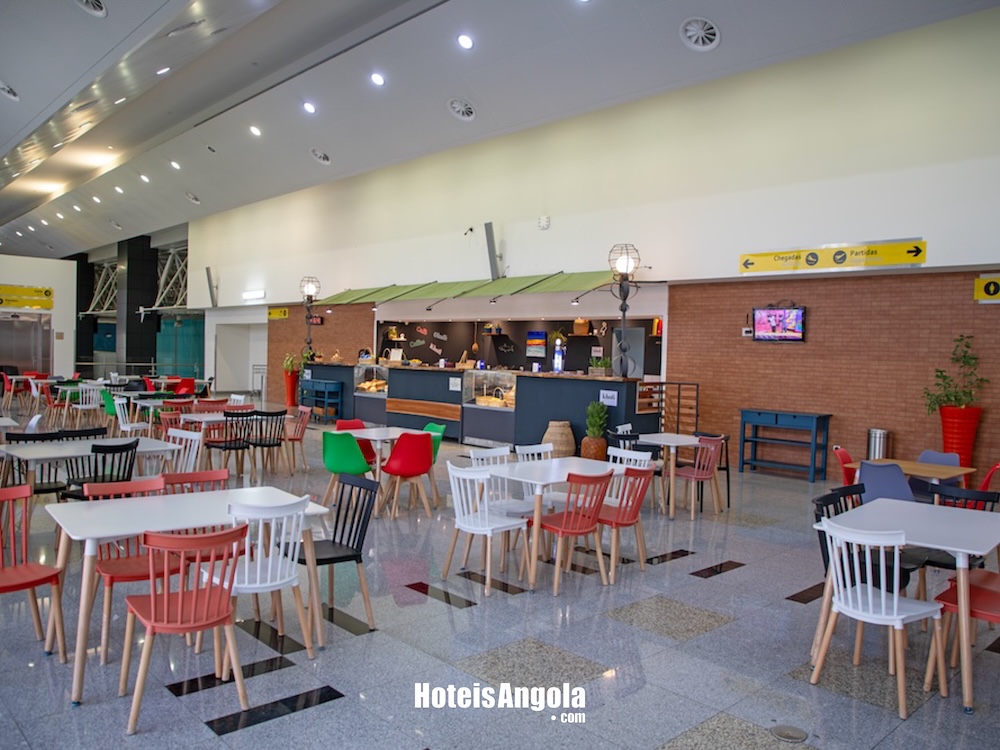
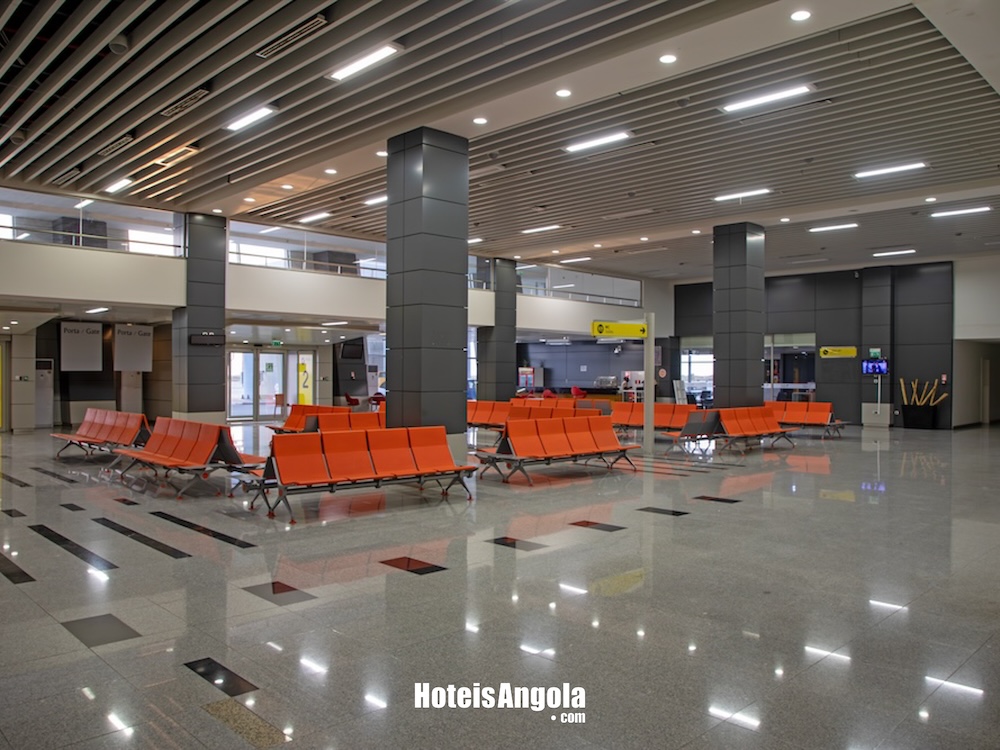
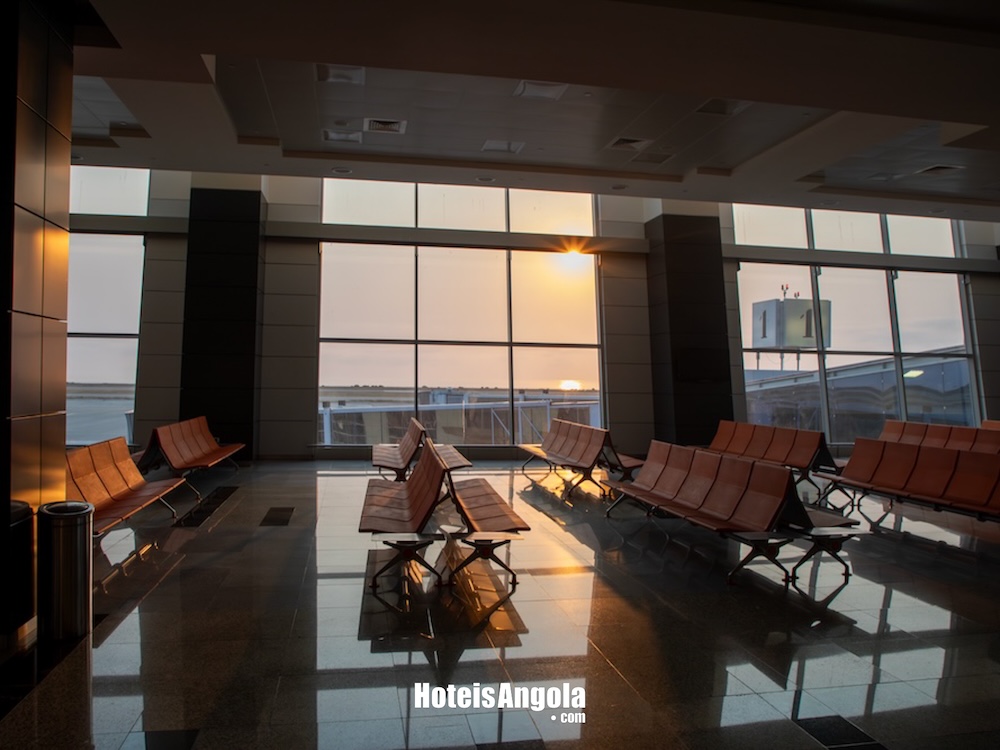
Modern Passenger Terminal with International Operations Capabilities and Other Associated Infrastructure
- There is potential to offer better services to passengers and to develop further non-aviation projects;
- Cargo handling facilities reinforce the CTB's position to attract foreign carriers, and potential cargo business;
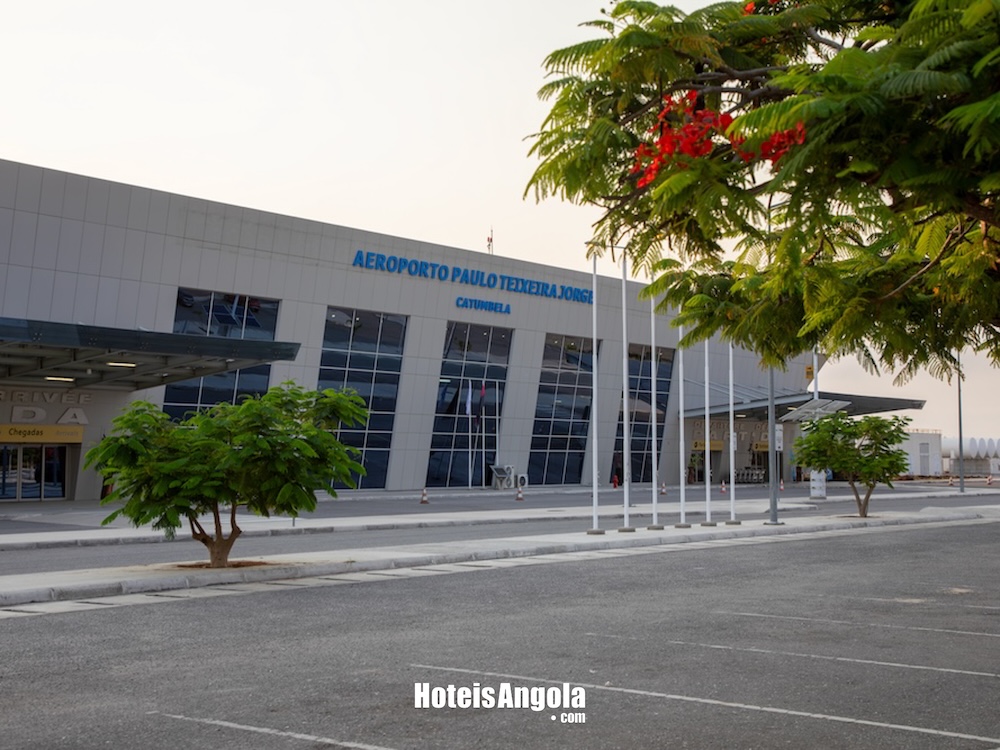
Description of the “Paulo Teixeira Jorge” Airport
- Inaugurated in 2012
- Operates exclusively domestic flights
- The airport is 14 km away from the city of Lobito
- Runway length is 3,700 meters and width is 45 meters
- Capacity to receive Boeing 777-3 type aircraft (but not allowed under ICAO7 category)
   |
Benefits of Certification
With the new certification, the Paulo Teixeira Jorge International Airport will be able to accommodate a wider range of aircraft, including medium-sized models that are essential for passenger and cargo transport. This expansion is vital to meet the growing demand for air services in the region and to improve connectivity with other parts of the world.
Infrastructure and Preparations
The airport, which has a runway of 3,700 meters and a capacity to process 2.2 million passengers per year, is undergoing renovations to meet the requirements of the ICAO7 certification.
Economic and Social Impact
The ICAO7 certification of the Paulo Teixeira Jorge International Airport will have a positive impact on the local and national economy. It will increase cargo transport capacity, facilitate trade, and promote the export of Angolan products. The improvement of airport conditions and the rise in demand will attract more airlines, boosting the tourism and services sector in the region.
Conclusion
The ICAO7 certification of the Paulo Teixeira Jorge International Airport represents a significant advance for aviation in Angola. This development will not only improve the airport's infrastructure and operational capacity but also bring lasting economic and social benefits to the Benguela province and the entire southern region of the country.
The ICAO (International Civil Aviation Organization) categories are used to classify airports and aircraft
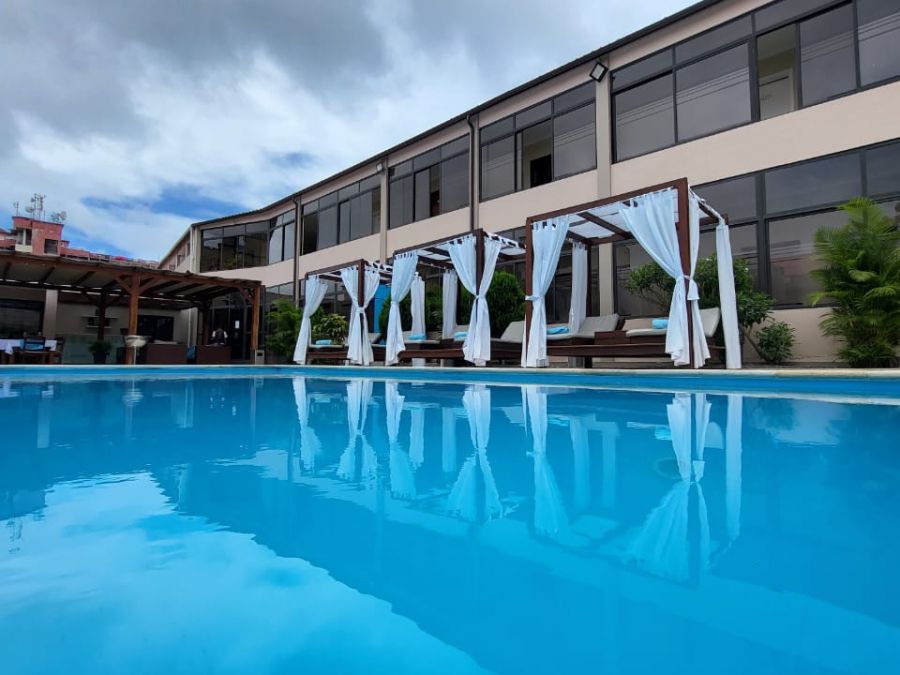





Complexo Túristico Doce Mar






What is ICAO7 Category
The ICAO7 category refers to aircraft that have a fuselage length outside the fuselage between 39 and 49 meters (exclusive) and a maximum fuselage width of 5 meters.
Examples of aircraft that fall into this category:
Boeing 737-900: This model is an extended version of the popular 737, with the capacity to transport more passengers on medium-haul routes.
Airbus A321: A single-aisle aircraft that is widely used on domestic and international short and medium-haul flights.
Boeing 757-200: Known for its efficiency on transcontinental routes, this model is often used by airlines for medium-haul flights.
Taag planes on intercontinental routes (Lisbon or São Paulo)
The ICAO7 category limits the Paulo Teixeira Jorge International Airport to receive aircraft with a fuselage length outside the fuselage between 39 and 49 meters and a maximum fuselage width of 5 meters. The Boeing 777, which has a length of approximately 63 to 74 meters and a fuselage width of about 6.2 meters, exceeds these dimensions and therefore does not fit into the ICAO7 category.
TAP planes that fly Lisbon \ Luanda \ Lisbon
The Airbus A330-900neo, with a length of approximately 63.66 meters and a fuselage width of 5.64 meters, exceeds the dimensions allowed by the ICAO7 category, which limits the fuselage length to 49 meters and the maximum fuselage width to 5 meters. Therefore, under the current ICAO7 certification limitations, the A330-900neo cannot operate at Paulo Teixeira Jorge International Airport.
Recommended Benguela Tours



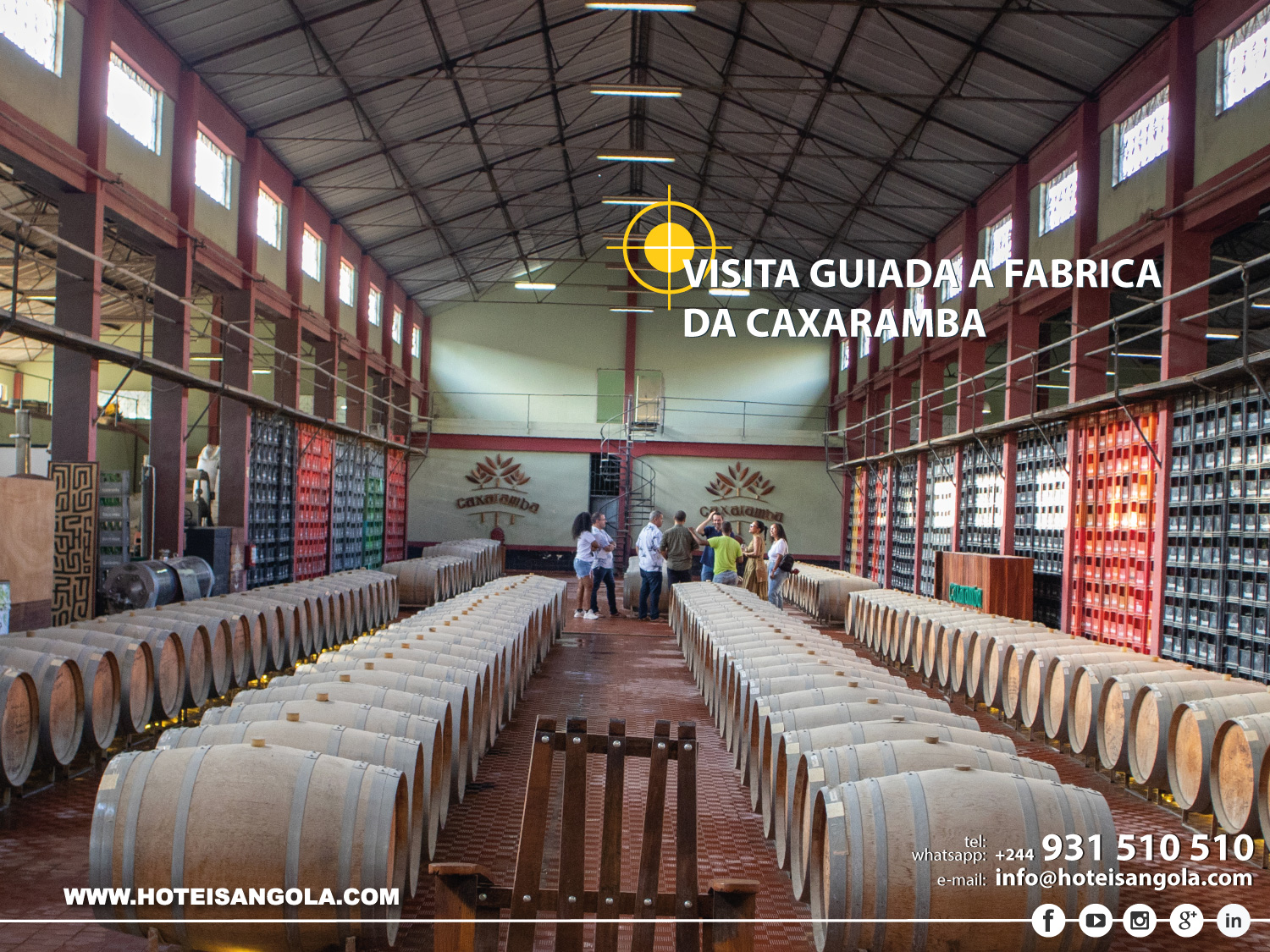
What are the differences between ICAO7, ICAO8, ICAO9, ICAO10, and ICAO11 categories:
ICAO7- Aircraft length: Between 39 and 49 meters (exclusive).
- Maximum fuselage width: Up to 5 meters.
- Examples of aircraft: Boeing 737-900, Airbus A321, Boeing 757-200.
- Aircraft length: Between 49 and 61 meters (exclusive).
- Maximum fuselage width: Up to 5 meters.
- Examples of aircraft: Boeing 767, Airbus A330-200, Boeing 787-8.
- Aircraft length: Between 61 and 76 meters (exclusive).
- Maximum fuselage width: Up to 6 meters.
- Examples of aircraft: Boeing 777-200, Airbus A340-300.
- Aircraft length: Between 76 and 90 meters (exclusive).
- Maximum fuselage width: Up to 7 meters.
- Examples of aircraft: Boeing 777-300, Airbus A350-1000.
- Aircraft length: Between 90 and 100 meters (exclusive).
- Maximum fuselage width: Up to 8 meters.
- Examples of aircraft: Boeing 747-8, Airbus A380.
These categories help ensure that airports have the appropriate infrastructure to accommodate different types of aircraft, ensuring safety and efficiency in operations.
To visit in the province of Benguela
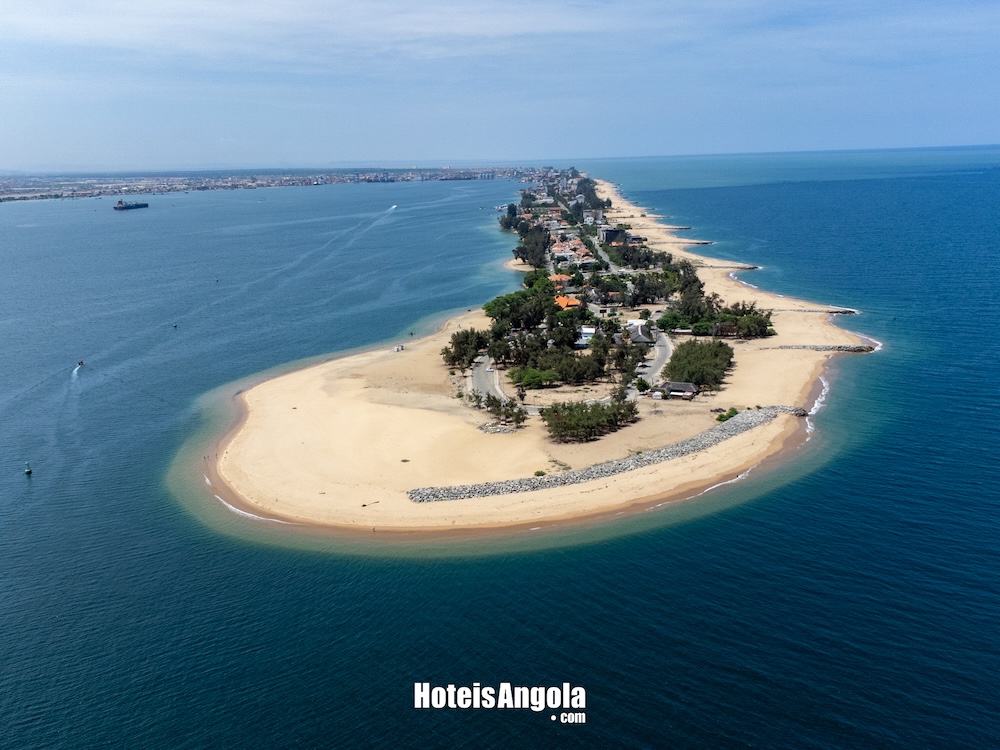












What are the general requirements for each category:
ICAO7- Runway: Must support aircraft with a length of 39 to 49 meters and a fuselage width of up to 5 meters.
- Taxiways and aprons: Adequate dimensions for maneuvering aircraft of this category.
- Signage and lighting: Runway and taxiway lighting systems, as well as appropriate signage for aircraft guidance.
- Emergency services: Equipment and trained personnel to handle emergencies involving medium-sized aircraft.
- Runway: Must support aircraft with a length of 49 to 61 meters and a fuselage width of up to 5 meters.
- Taxiways and aprons: Larger dimensions to accommodate bigger aircraft.
- Signage and lighting: More robust systems to ensure visibility and safety.
- Emergency services: Additional equipment and trained personnel for larger aircraft.
- Runway: Must support aircraft with a length of 61 to 76 meters and a fuselage width of up to 6 meters.
- Taxiways and aprons: Expanded infrastructure for maneuvering larger aircraft.
- Signage and lighting: Advanced lighting and signage systems.
- Emergency services: Specialized equipment and greater response capacity.
   |
ICAO10
- Runway: Must support aircraft with a length of 76 to 90 meters and a fuselage width of up to 7 meters.
- Taxiways and aprons: Even larger infrastructure to accommodate large aircraft.
- Signage and lighting: High-tech systems to ensure safety under all conditions.
- Emergency services: State-of-the-art equipment and highly trained personnel.
- Runway: Must support aircraft with a length of 90 to 100 meters and a fuselage width of up to 8 meters.
- Taxiways and aprons: The largest dimensions and capacities for maneuvering large aircraft.
- Signage and lighting: Cutting-edge lighting and signage systems.
- Emergency services: Equipment and personnel prepared for any type of emergency involving large aircraft.
These requirements ensure that airports can operate safely and efficiently according to their categories.
Information:
Support Line
 WhatsApp
 Telephone
 Email
Email
Available every day from 8:00 AM to 10:00 PM. Allows you to clarify doubts, support reservations, and guide you in choosing the best accommodation and tourist services.