- Hotels
- Rent-A-Car
- Routs
Mouth of Balombo River
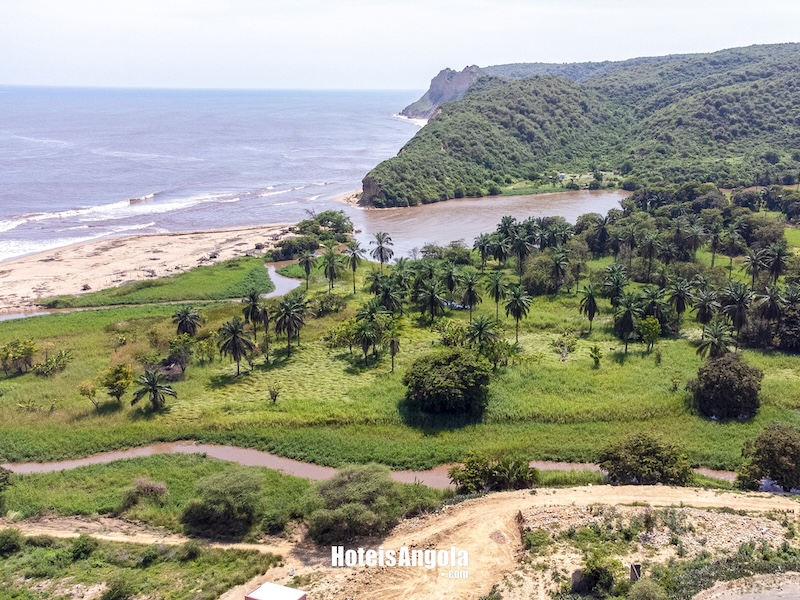
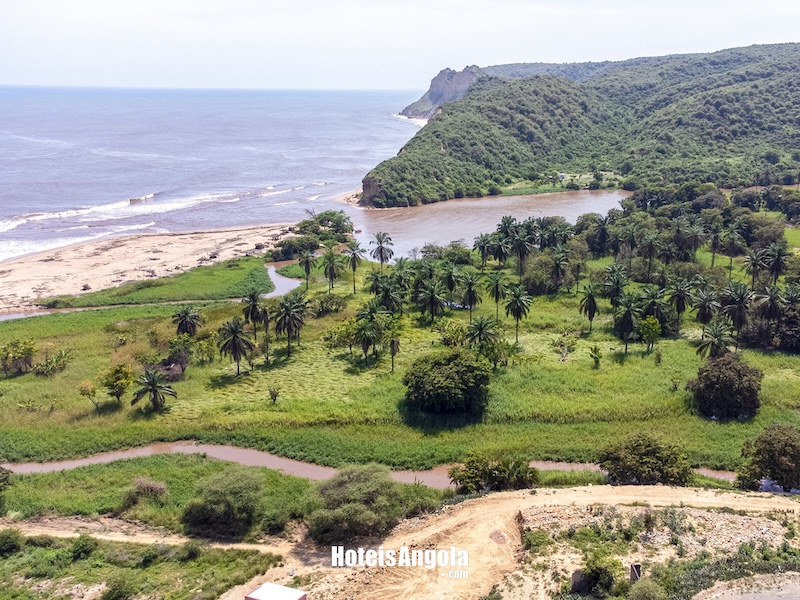
The mouth of the Balombo River, in Egypt Praia, is one of the most expressive coastal scenarios of Benguela.
Between cliffs, palm groves, and the riverbanks, the Balombo River ends its journey forming an estuary that concentrates biodiversity, local memories, and has enormous potential for nature and cultural tourism. For those seeking authentic places, it is an invitation to walk slowly, observe, and learn.
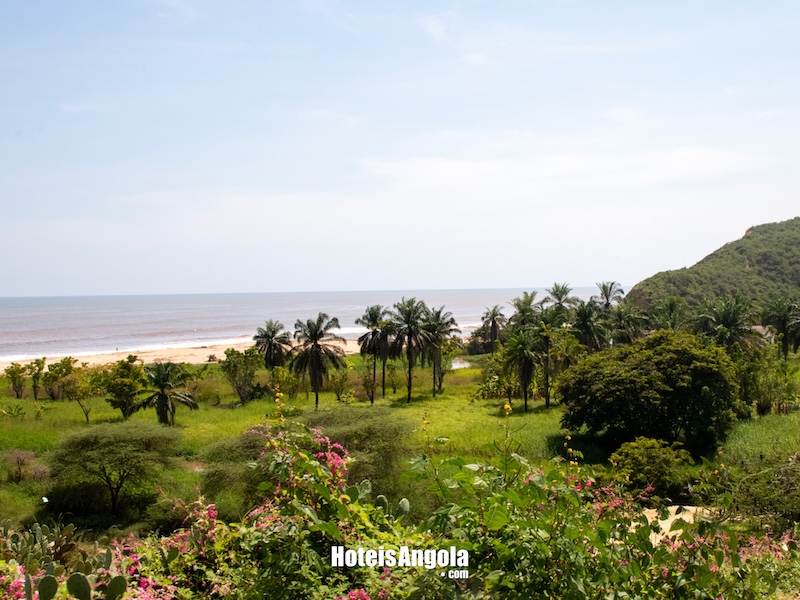
Egipto Praia is located northwest of downtown Lobito, on a peninsula indented by cliffs and small coves. Its mouth is at Navala Beach, where the river gives way to the sheltered Atlantic Ocean, which, depending on the tides and seasons, reveals sandy banks and wetlands. The setting is marked by ochre-hued cliffs, palm trees that descend to the sea, and the blue line of the Atlantic stretching as far as the eye can see.
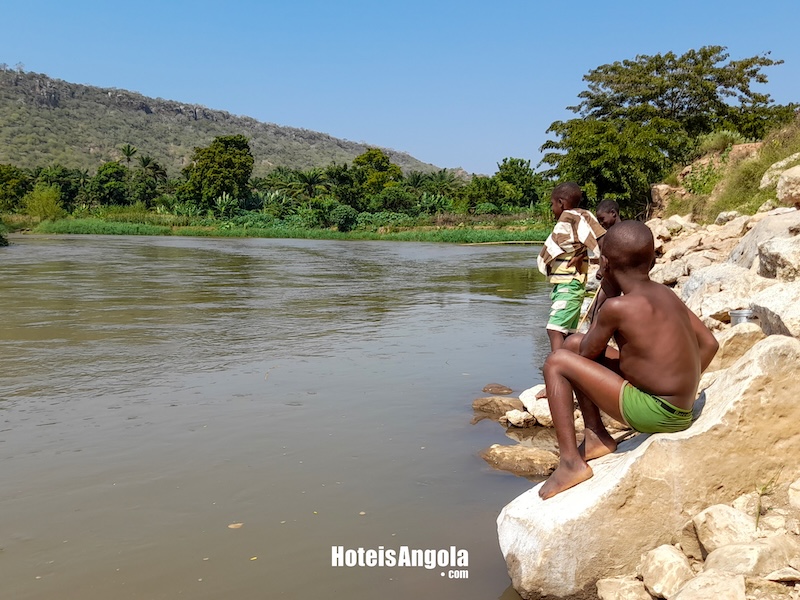
The final stretch of the Balombo River has estuary characteristics, with a mixture of fresh and salt water. The riverside vegetation (tall grass, shrubs adapted to salinity, and patches of mangroves in favorable spots) creates refuges for waterfowl, small juvenile fish, and crustaceans. During periods of less rainfall, the waters tend to be clearer, making it easier to observe aquatic life along the banks.
The toponym "Egypt" is often associated with the image of palm trees "descending" into the sea, which, according to early European records, evoked "exotic" landscapes. History is very present around the river mouth; the 19th-century Fort of São Sebastião do Egipto watches over the horizon from atop a hill; a few kilometers away, there are memorial sites linked to the history of the coast, such as Quintalão and the Slave Lodge and the Egipto Praia Cemetery. This proximity allows nature and heritage to be combined in a single route.
During the Cacimbo (dry and cooler season), between May and August, temperatures are milder and visibility is usually good for hiking and photography. During the rainy season, the landscapes become greener, but some access roads may deteriorate, and river sedimentation increases.
Egipto Praia is located northwest of downtown Lobito, on a peninsula indented by cliffs and small coves. Its mouth is at Navala Beach, where the river gives way to the sheltered Atlantic Ocean, which, depending on the tides and seasons, reveals sandy banks and wetlands. The setting is marked by ochre-hued cliffs, palm trees that descend to the sea, and the blue line of the Atlantic stretching as far as the eye can see.
The final stretch of the Balombo River has estuary characteristics, with a mixture of fresh and salt water. The riverside vegetation (tall grass, shrubs adapted to salinity, and patches of mangroves in favorable spots) creates refuges for waterfowl, small juvenile fish, and crustaceans. During periods of less rainfall, the waters tend to be clearer, making it easier to observe aquatic life along the banks.
The toponym "Egypt" is often associated with the image of palm trees "descending" into the sea, which, according to early European records, evoked "exotic" landscapes. History is very present around the river mouth; the 19th-century Fort of São Sebastião do Egipto watches over the horizon from atop a hill; a few kilometers away, there are memorial sites linked to the history of the coast, such as Quintalão and the Slave Lodge and the Egipto Praia Cemetery. This proximity allows nature and heritage to be combined in a single route.
During the Cacimbo (dry and cooler season), between May and August, temperatures are milder and visibility is usually good for hiking and photography. During the rainy season, the landscapes become greener, but some access roads may deteriorate, and river sedimentation increases.
Angola
Image gallery
Video
Map
Accommodation
Benguela surrounding area
- 8.8 27 reviews from kz 90,000Aparthotel Mil Cidades
- 6.9 24 reviews from kz 50,000Hotel Praia Morena
- 7.4 9 reviews from kz 45,000Hotel Luso
- 7.4 5 reviews from kz 25,000Calmito Aparthotel
- 7.6 5 reviews from kz 27,000Residencial Royal Plaza Ombaka
- 0.0 0 reviews from kz 35,900Hotel Residencial KUYOYA
- 8.4 3 reviews from kz 33,990Hotel Pequeno Brasil
- 7.4 2 reviews from kz 22,000Residencial VG - Navegantes
- 8.5 3 reviews from kz 22,000Residencial VG - Cidade
- 0.0 0 reviews from kz 60,000Residencial Mussenga
- 9.6 2 reviews from kz 54,500Flow Hotel
- 6.7 3 reviews from kz 19,500Residencial Azul
- 8.8 2 reviews from kz 20,000Residencial Filipa
Lobito surrounding area
- 6.9 7 reviews from kz 36,800Hotel Chik Chik II
- 7.5 11 reviews from kz 78,000Hotel Turimar
- 7.8 2 reviews from kz 30,000Uami Guest House
- 8.1 10 reviews from kz 50,000Hotel H&L
- 7.2 1 reviews from kz 70,000Pink House
- 8.0 10 reviews from kz 16,000Residencial Rosalina Express
- 0.0 0 reviews from kz 45,000Baía da Restinga - Guest House
- 8.9 6 reviews from kz 55,000Oceano Boutique Hotel
- 0.0 0 reviews from kz 80,500Aparthotel Aurora
- 9.2 1 reviews from kz 75,000Almar Aparthotel
Baía Farta surrounding area
- 7.4 10 reviews from kz 90,000Hotel Duas Faces
- 8.3 9 reviews from kz 75,000Lodge Kapembawé
- 8.1 19 reviews from kz 115,000CV Lodge & Spa
+ Travel Itineraries
-
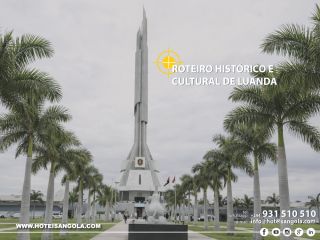 Museum Route located in Luanda, This itinerary is an immersive journey through the origins, memories and living expressions of the Angolan capital.
 -
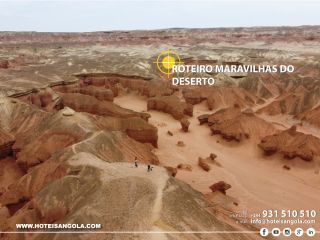 Namibe Desert, takes you to discover its charms.
 -
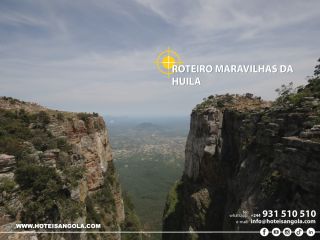 Discover the wonders of Huíla province in Angola with an unforgettable tourist itinerary that covers the most emblematic and stunning tourist attractions in the region.
 -
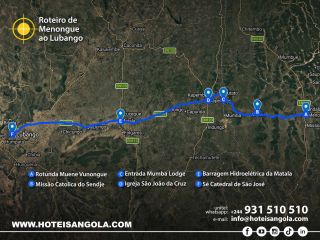 This Itinerary is a true immersion in the wild nature and cultural authenticity of southeast Angola.
Informations:
Newsletter - Promotions and highlights in your email
Invalid e-mail address
Please wait...
Support Line
 WhatsApp
 Telephone
 Email
Email
Available every day from 8:00 AM to 10:00 PM. Allows you to clarify doubts, support reservations, and guide you in choosing the best accommodation and tourist services.