- Hotels
- Rent-A-Car
- Routs
Caota Plateau: Archaeological remains
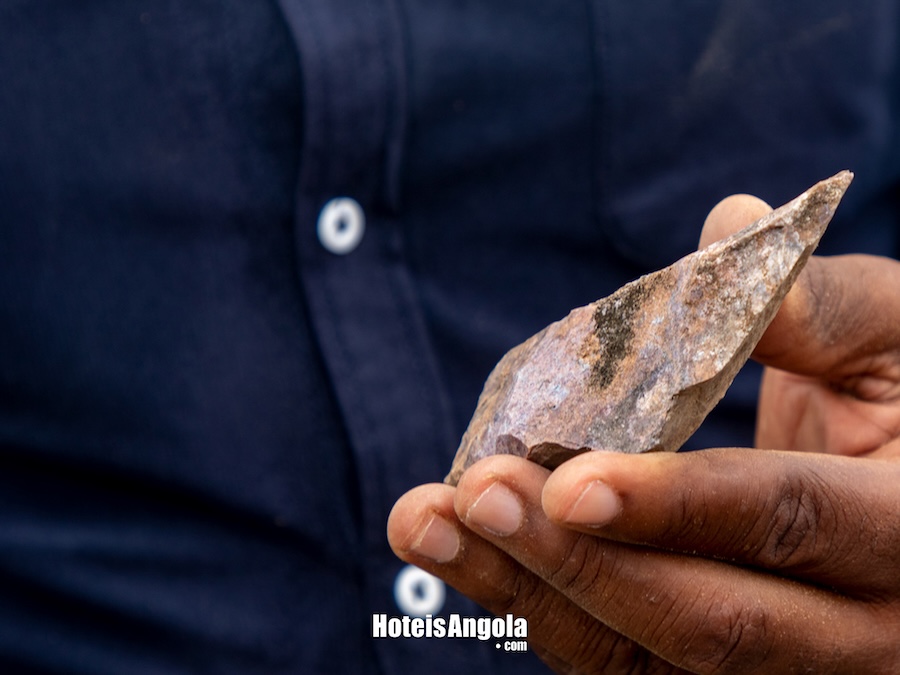
The Caota Plateau is recognized as an area of high archaeological interest, presenting remains associated with the Paleolithic, the oldest period in human history.
In the region, lithic tools and worked stone fragments have been identified, indicating the presence of prehistoric human groups who used the plateau as an area for movement, shelter, and tool production. The geographical characteristics of the territory—altitude, ancient soils, and rocky outcrops—created favorable conditions for human occupation and for the preservation of these materials over thousands of years.
The remains of the Caota Plateau are part of a broader set of archaeological sites in Angola, reinforcing the country’s importance in the study of African prehistory and the evolution of the earliest human communities on the continent.
Today, this heritage represents a scientific, cultural, and historical value that must be protected and responsibly enhanced. With proper contextualization, the Caota Plateau can also be integrated into cultural and scientific tourism routes, contributing to the diversification of Benguela’s tourism offer.
The remains of the Caota Plateau are part of a broader set of archaeological sites in Angola, reinforcing the country’s importance in the study of African prehistory and the evolution of the earliest human communities on the continent.
Today, this heritage represents a scientific, cultural, and historical value that must be protected and responsibly enhanced. With proper contextualization, the Caota Plateau can also be integrated into cultural and scientific tourism routes, contributing to the diversification of Benguela’s tourism offer.
Navegantes, Caota, Benguela, Angola
Video
Map
Accommodation
Benguela surrounding area
- 8.8 27 reviews from kz 90,000Aparthotel Mil Cidades
- 6.9 24 reviews from kz 50,000Hotel Praia Morena
- 7.4 9 reviews from kz 45,000Hotel Luso
- 7.4 5 reviews from kz 25,000Calmito Aparthotel
- 7.6 5 reviews from kz 27,000Residencial Royal Plaza Ombaka
- 0.0 0 reviews from kz 35,900Hotel Residencial KUYOYA
- 8.4 3 reviews from kz 33,990Hotel Pequeno Brasil
- 7.4 2 reviews from kz 22,000Residencial VG - Navegantes
- 8.5 3 reviews from kz 22,000Residencial VG - Cidade
- 0.0 0 reviews from kz 60,000Residencial Mussenga
- 9.6 2 reviews from kz 54,500Flow Hotel
- 6.7 3 reviews from kz 19,500Residencial Azul
- 8.8 2 reviews from kz 20,000Residencial Filipa
Lobito surrounding area
- 6.9 7 reviews from kz 36,800Hotel Chik Chik II
- 7.5 11 reviews from kz 78,000Hotel Turimar
- 7.8 2 reviews from kz 30,000Uami Guest House
- 8.1 10 reviews from kz 50,000Hotel H&L
- 7.2 1 reviews from kz 70,000Pink House
- 8.0 10 reviews from kz 16,000Residencial Rosalina Express
- 0.0 0 reviews from kz 45,000Baía da Restinga - Guest House
- 8.9 6 reviews from kz 55,000Oceano Boutique Hotel
- 0.0 0 reviews from kz 80,500Aparthotel Aurora
- 9.2 1 reviews from kz 75,000Almar Aparthotel
Baía Farta surrounding area
- 7.4 10 reviews from kz 90,000Hotel Duas Faces
- 8.3 9 reviews from kz 75,000Lodge Kapembawé
- 8.1 19 reviews from kz 115,000CV Lodge & Spa
+ Travel Itineraries
-
 Museum Route located in Luanda, This itinerary is an immersive journey through the origins, memories and living expressions of the Angolan capital.
 -
 Namibe Desert, takes you to discover its charms.
 -
 Discover the wonders of Huíla province in Angola with an unforgettable tourist itinerary that covers the most emblematic and stunning tourist attractions in the region.
 -
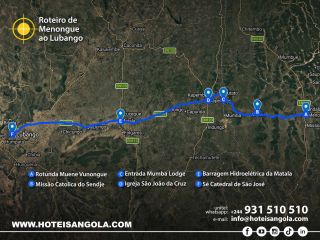 This Itinerary is a true immersion in the wild nature and cultural authenticity of southeast Angola.
Informations:
Newsletter - Promotions and highlights in your email
Invalid e-mail address
Please wait...
Support Line
 WhatsApp
 Telephone
 Email
Email
Available every day from 8:00 AM to 10:00 PM. Allows you to clarify doubts, support reservations, and guide you in choosing the best accommodation and tourist services.