- Hotels
- Rent-A-Car
- Routs
A getaway to Lobito

Exploring an entire province isn't always easy, but this week we'll show you some highlights of Lobito.
We suggest a must-see stop for anyone wanting to explore Angola. Lobito is the municipal seat, part of the province of Benguela, and will take you on an unforgettable journey.
Be amazed by the power of nature.
Lobito is a city and municipality in the Benguela province of Angola, located on the Atlantic coast.
It borders the municipality of Sumbe to the north, the municipality of Bocoio to the east, the municipality of Catumbela to the south, and the Atlantic Ocean to the west.
One of the nation's logistics centers, it is connected to the important port and railway terminals, as well as the continental road network, which connects it to the rest of the country, taking it to the east coast of Africa. The municipality's main geographic landmark is Lobito Bay, which, along with the Lobito sandbar, was fundamental to the formation and development of the port and city.
History:
Initially called "Salty Catumbela" and "Oyster Catumbela" to distinguish it from the freshwater Catumbela, it gradually became known as Lobito (the oldest reference is from 1831). Although there are historical references to the bay of present-day Lobito being used in the second half of the 17th century by several fleets that took advantage of its excellent shelter from the sea, the wind, and the sightings by navigation, the actual occupation of the municipality's lands only dates back to the early 18th century, with the exploitation of the gutters and oysters taken from the mangroves and the use of the mangroves and the bay for timber extraction and the smuggling of slaves and other goods, despite slavery having already been abolished. Later, the salt flats also had their economic importance.Prior to this period, there was no human settlement in this region, although there are references to the Mundombes or Vondombes peoples as those who initially populated the peripheral region, namely the Dombe Grande and Dombe Pequeno (present-day Negrão) up to the Kiakas region.
Interesting Facts:
The origin of the word comes from the noun "pitu," preceded by the classifying particle olu, resulting in the term "olupitu," meaning the "gate, the walkway, the passage" that caravans of porters, descending from the hills from the interior, would pass through before reaching the "commercial square" of Catumbela. With continued use and time, this common noun would become a proper noun, losing the initial "o," and thus "Lupitu" was Portugueseized as "Lobito."It is the second most populous municipality in the province, behind only Benguela.
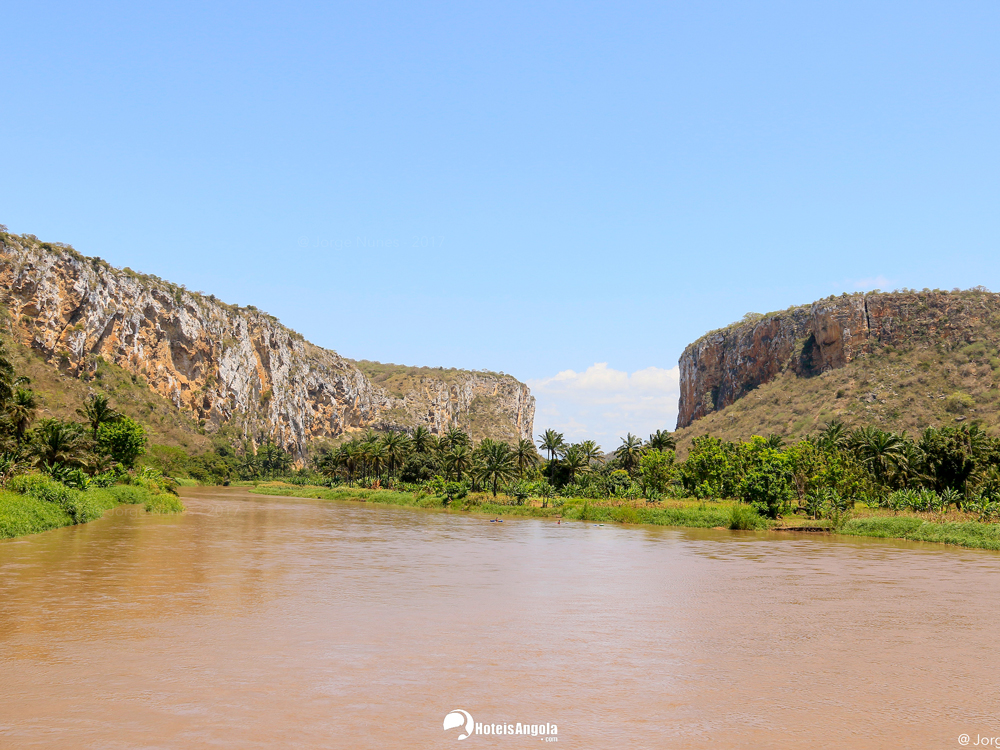


The municipality:
Area:
3,648 km²
Elevation: 139 m
Communes: Lobito, Egipto Praia, Canjala
Population:
436,467 inhabitants
Average temperature:25ºC
How many days?
We recommend staying 2 to 5 days so you can make the most of your stay and enjoy the sun, sea, sand, and much more.
How to get there?
There are several ways to get there.
- By land, with the company Macon, Angoreal, Huambo Express, and other airlines providing various connections to the city.
- By air, using TAAG - Angolan Airlines from Luanda.
- By the Benguela Railway, connecting the provinces of Benguela, Huambo, Bié, and Moxico.
- The most convenient way to travel, without being tied to a schedule, is by car.
Where to stay?
Considered one of the best tourist destinations in Angola, Lobito has several accommodations to suit all tastes. Among the various hotels available, we offer some suggestions in the city:


What to do, tours, and attractions.

Itinerary to Egypt Beach
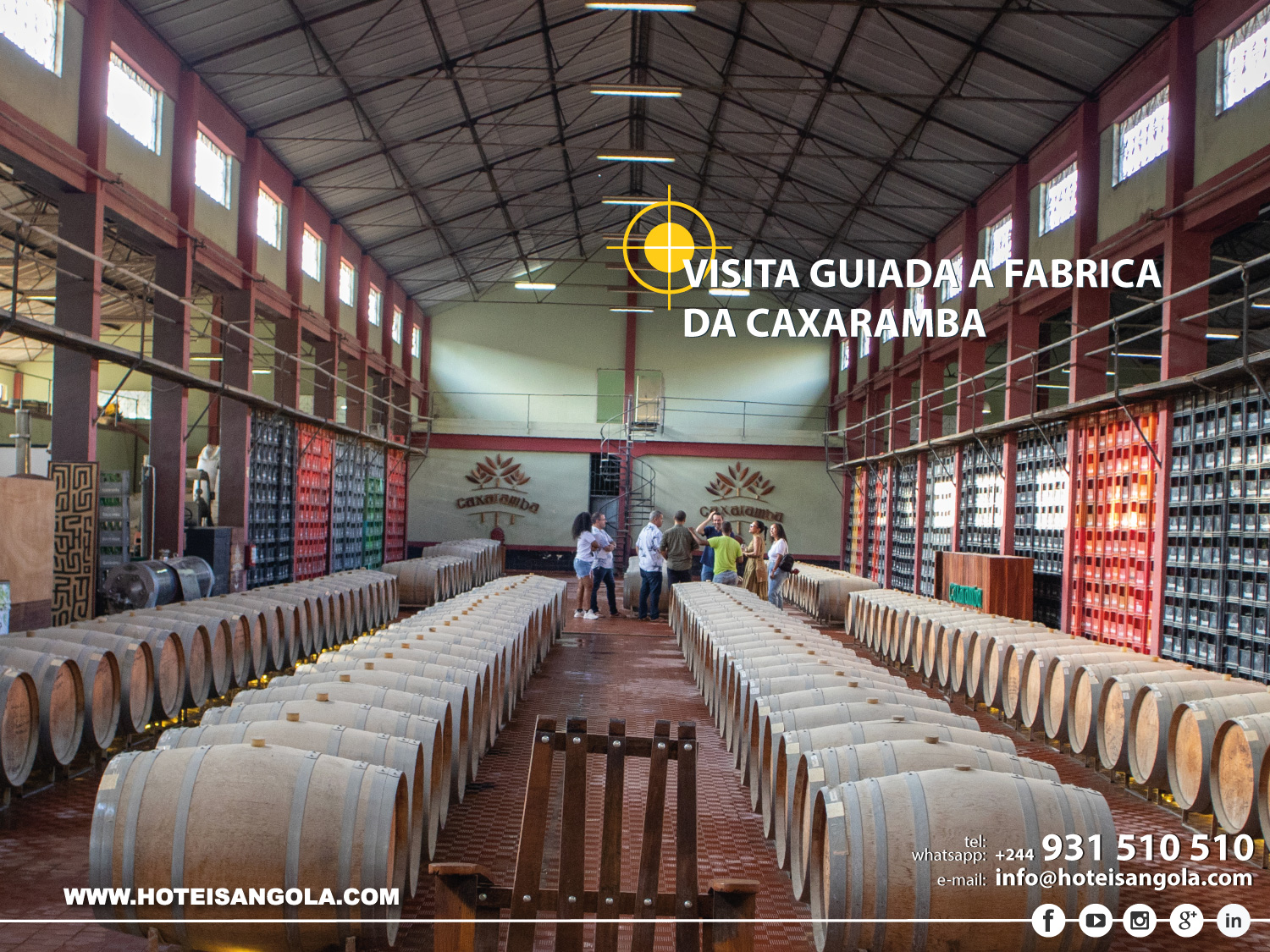
Caxaramba - An Unmissable Guided Tour

Lobito City Tour
Some places you can't miss are:
- Egypt Beach
- Fort of St. Sebastian of Egipt Beach
- Zaire Boat
- Church of Our Lady of Arrabida
- Lobito Ethnographic Museum
- Cine Flamingo
- CFM . Benguela Railway
- Lobito Lighthouse
- Sea Gates
- Mangroves
Pilgrimages and worship:
One of the city's main cultural and religious traditions is the Solemnity of Saints Peter and Paul, promoted by the Parish of São Paulo da Bela-Vista and the Diocese of Benguela.
What to eat?
Typical dishes of the area include: corn pirão, served with Calulú, quizaka, lossaca, gimboa, palm oil beans, pumpkin lombi, fish or moamba, prepared with chicken, and the homemade drink kissangua...
Regarding reference restaurants:
Where to eat in the province of Benguela - by: Destinobenguela.com
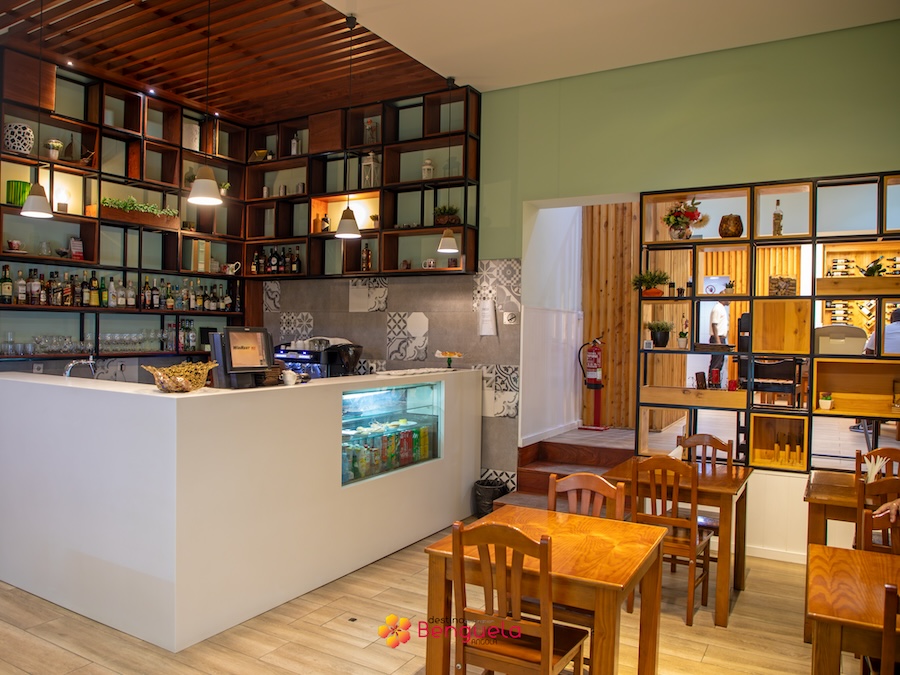
Tudo na Brasa Restaurant

Tudo na Brasa Restaurant
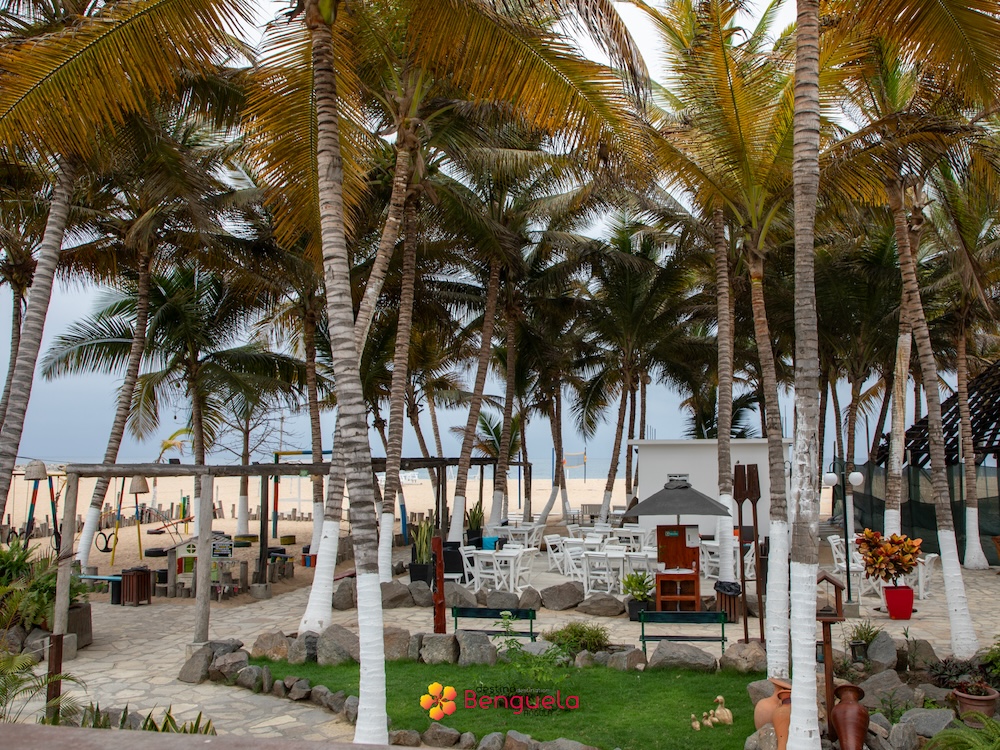
Alfa Beach Bar
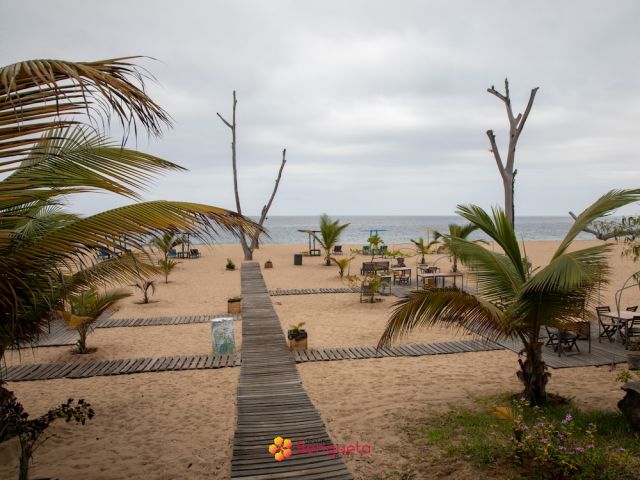
Batuk Restaurant
Angola is increasingly becoming a tourist destination not to be missed, whether for its strong culture, its fauna and flora, or its stunning landscapes.
- Hotels
- Rent-A-Car
- Routs
Support Line
 WhatsApp
 Telephone
 Email
Email
Available every day from 8:00 AM to 10:00 PM. Allows you to clarify doubts, support reservations, and guide you in choosing the best accommodation and tourist services.