- Hotels
- Rent-A-Car
- Routs
Cuanza Norte - The Sleeping Giant of Tourism
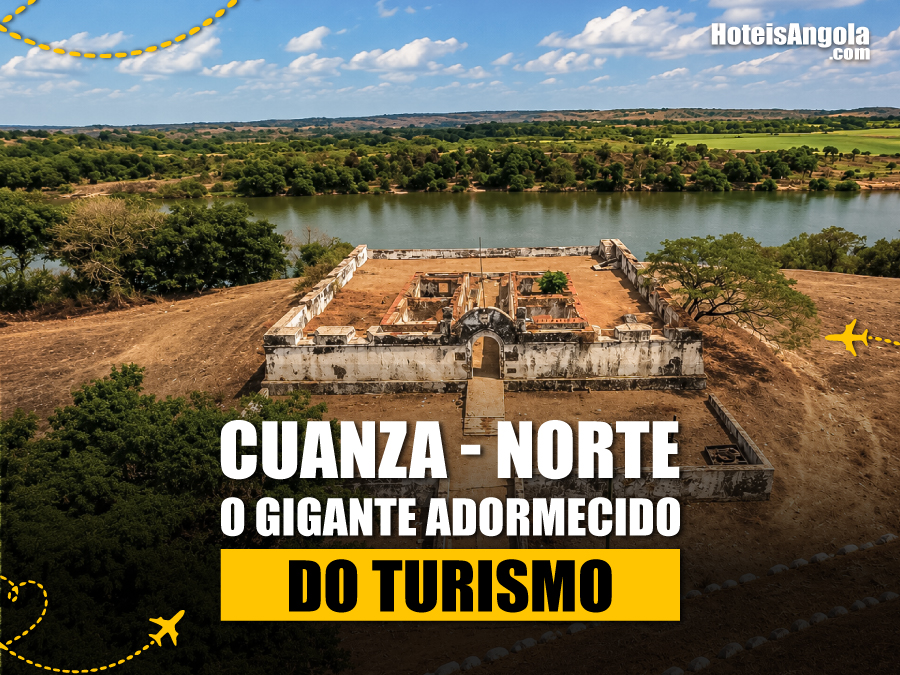
It is a beautiful province with welcoming people and 17 remarkable municipalities, home to approximately 659,097 inhabitants.
History:
Located about 248 km east of Luanda, in the north-central region of the country, the province once served as the provisional capital of Angola during the colonial era, and its capital is the city and municipality of Cazengo. The region stands out for its strong agricultural production, its hydropower potential, and its environmental preservation, particularly the Golungo Alto Forest Reserve.The province is predominantly inhabited by people of Ambundu origin, whose rich cultural heritage is expressed through the Kimbundu language, music, traditional dances, and customs passed down from generation to generation.
Life in the rural areas of Cuanza Norte is closely linked to the agricultural calendar. Families organize their daily activities around the seasons of land preparation, planting, crop maintenance, and harvesting.
Thus, agriculture in Cuanza Norte goes far beyond economic production. The cultivation of coffee, bananas, and citrus fruits forms an integral part of the identity of local communities, shaping social relationships, cultural habits, and the way of life of the population.
Interesting Fact:
During the 1950s and 1960s, the Portuguese colonial authorities studied the possibility of transferring Angola's administrative capital from Luanda to the interior of the territory, and there were several reasons for this:• Strategic and military reasons: Luanda, being located on the Atlantic coast, was considered more vulnerable to external attacks.
• Administrative decentralization: The aim was to promote the development of the country's interior, reducing the excessive political and economic concentration in Luanda.
• Climatic and health considerations: Some regions of the central plateau and inland areas were viewed by settlers as more favorable for European settlement.
• Expansion of transportation networks: The growth of railway lines and roads made it more feasible to establish administrative centers away from the coast.
How Many Days?
To fully enjoy the trip and visit all the attractions, it is advisable to allow approximately 3 days, considering the travel time between locations.Despite its numerous potentials, the tourism sector in Cuanza Norte currently faces challenges related to destination promotion, infrastructure improvement, expansion of accommodation facilities, and the creation of structured tourism products. However, these challenges also represent opportunities for investment and growth. With strategic planning, environmental preservation, and the involvement of local communities, Cuanza Norte has the potential to become one of Angola's leading tourist destinations.
What is today regarded as a sleeping giant may soon awaken and reveal its full grandeur to the world. Discover with us some of the province's most well-known attractions:
What to Visit:
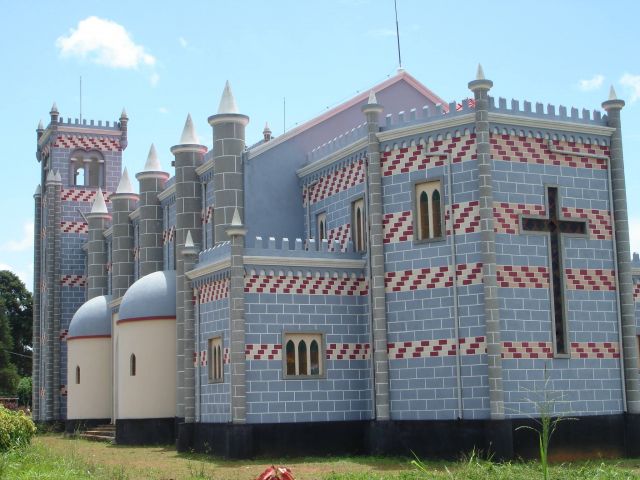
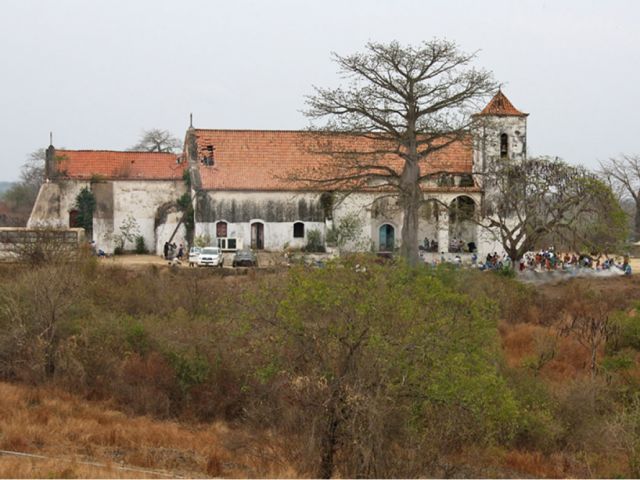
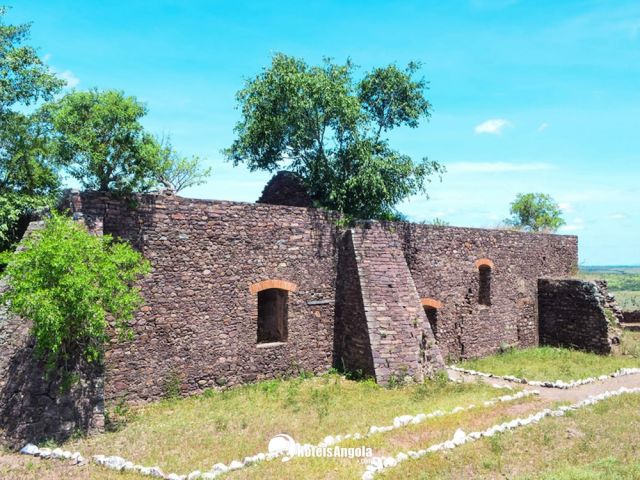
Kwanza Norte has many historical infrastructures in the Municipal Headquarters of Massangano and they are considered strong elements for the implementation of permanent tourism in this region of the country. Check with us some of the most publicized attractions in the province:
- Court and Detention House
- Capuchin Friars' Cemetery
- Tomb of Paulo Dias de Novais
- Slave Square
- Fort Massangano
- Our Lady of Victory Church of Massangano
- Quilombo Botanical Center
- Camabatela Church
- Fortress of Cambambe
How to Get There:
Most of the places listed above are properly registered on Google Maps. Simply enter their names to receive accurate directions.Alternatively, you may ask local residents for guidance, as these are well-known landmarks in the region.
Accommodation
Cuanza-Norte surrounding area
- from kz 75,000Hotel Terminus N`Dalatando
Things to Do
Depending on your interests and the characteristics of each site, these are generally excellent places for photography and portraits, relaxing and reconnecting with nature and the world around you. History enthusiasts can also admire the pre-colonial and colonial structures that have endured to this day.What to Eat
The gastronomy of Cuanza Norte reflects the cultural richness of the Ambundu people and the region's strong agricultural traditions.Typical dishes are mainly prepared using cassava, maize, beans, river fish, palm oil, and leafy vegetables commonly used in Angolan cuisine.
We leave you with this suggestion to visit the beautiful province of Cuanza Norte and be captivated by its charm. Visiting Cuanza Norte allows you to realize that many of Angola's tourism treasures remain hidden or little explored, waiting only for the curious eyes of travelers to reveal their full magic.



Support Line
 WhatsApp
 Telephone
 Email
Email
Available every day from 8:00 AM to 10:00 PM. Allows you to clarify doubts, support reservations, and guide you in choosing the best accommodation and tourist services.