- Hotels
- Rent-A-Car
- Routs
Himbas (part I)

The tourist side
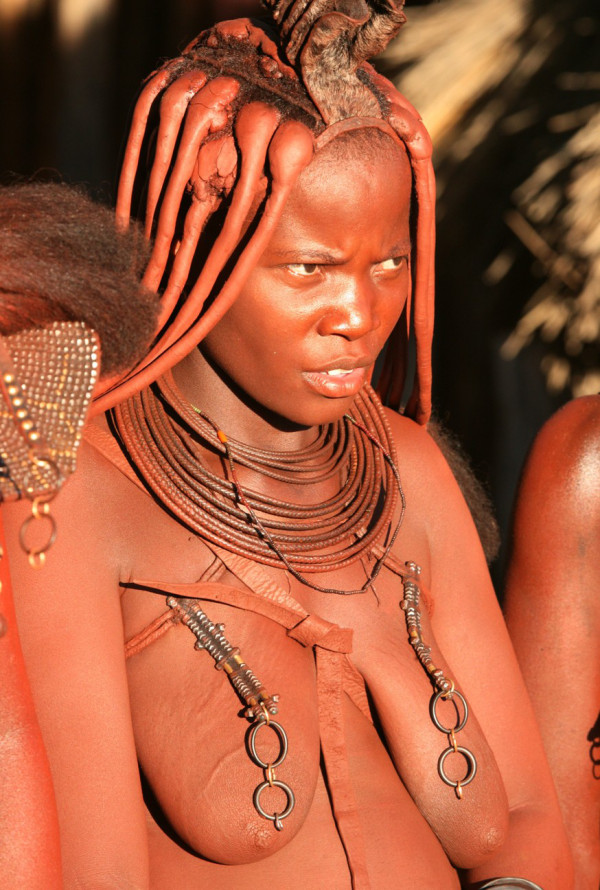
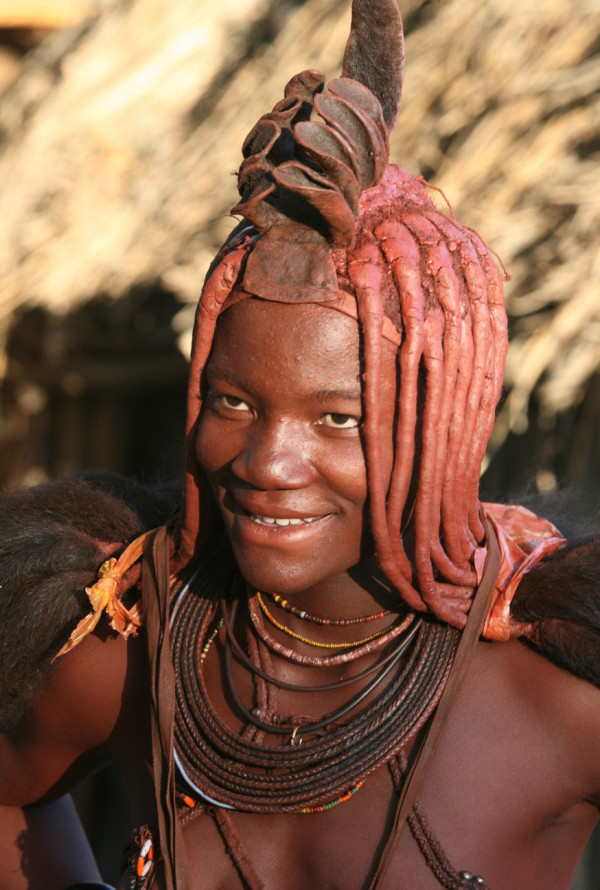
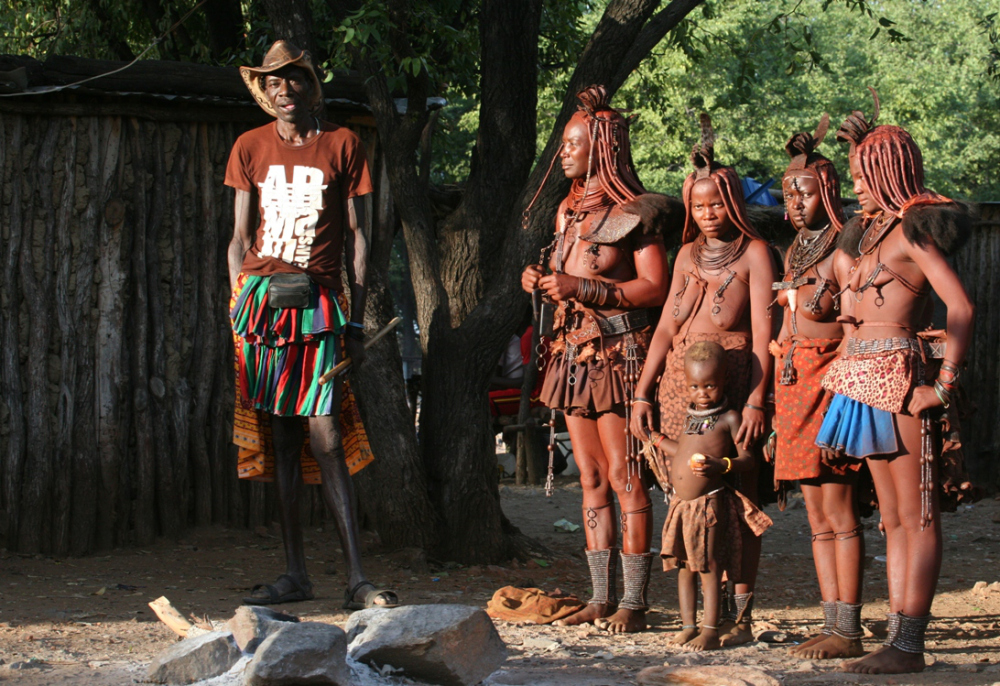
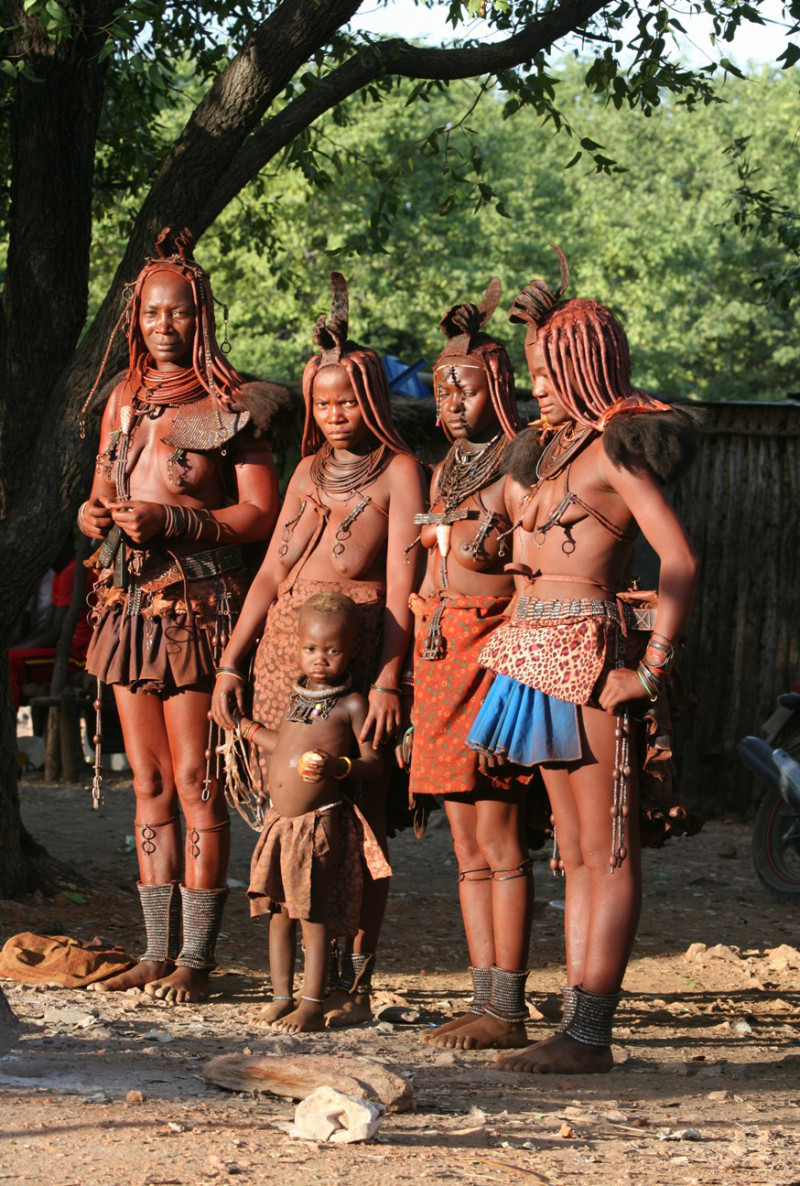
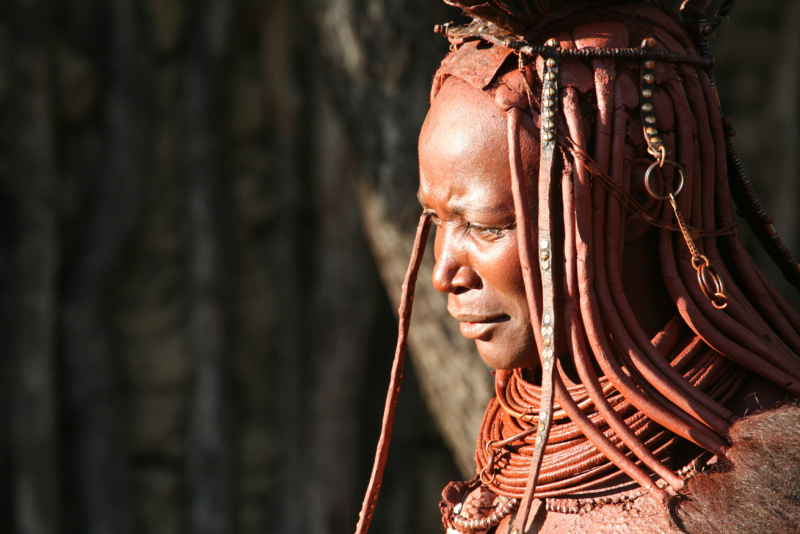
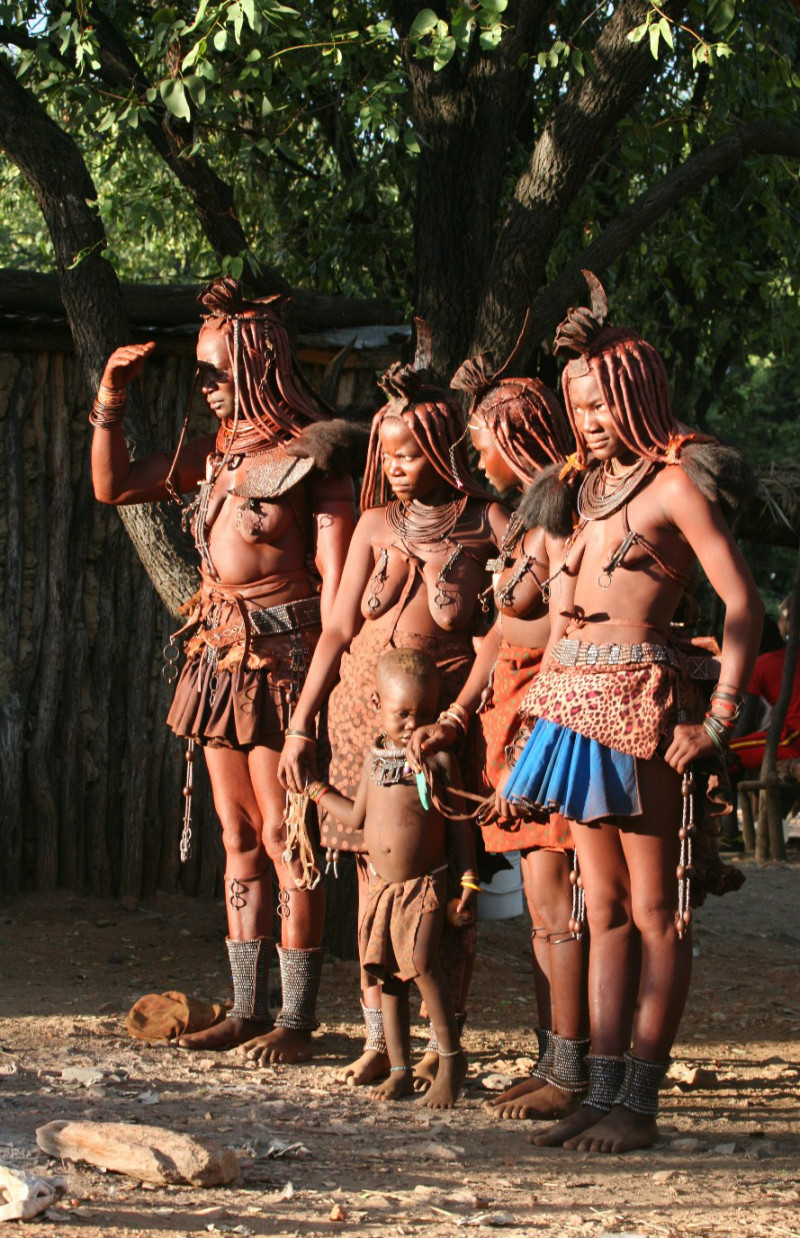
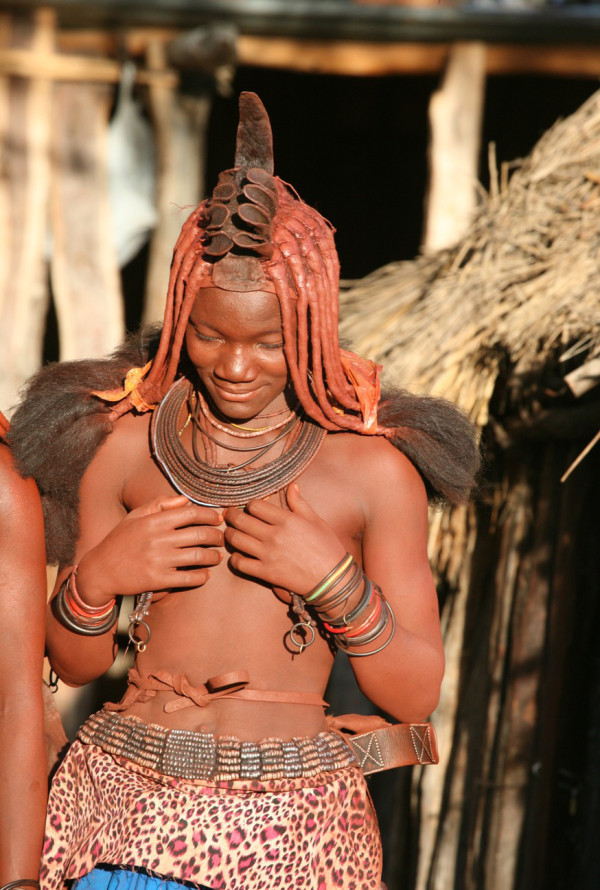
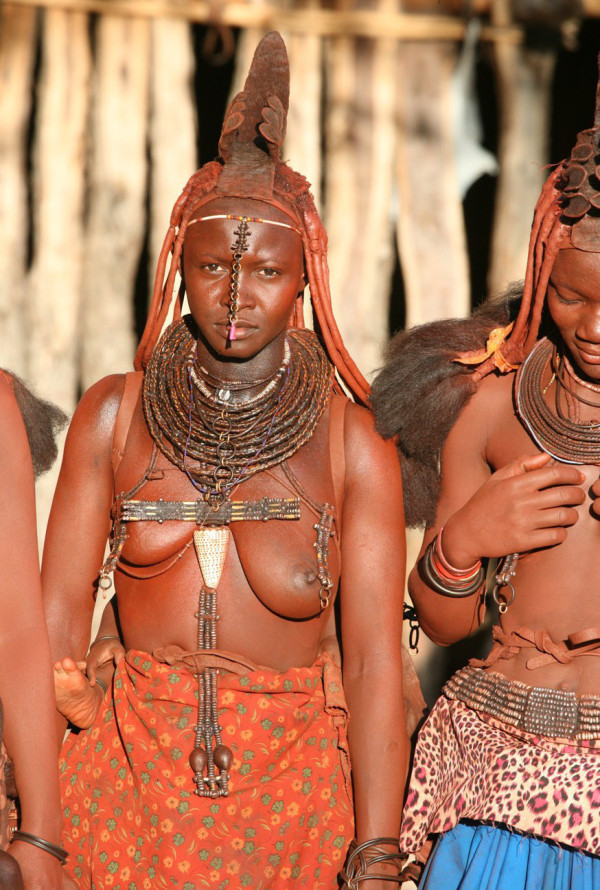
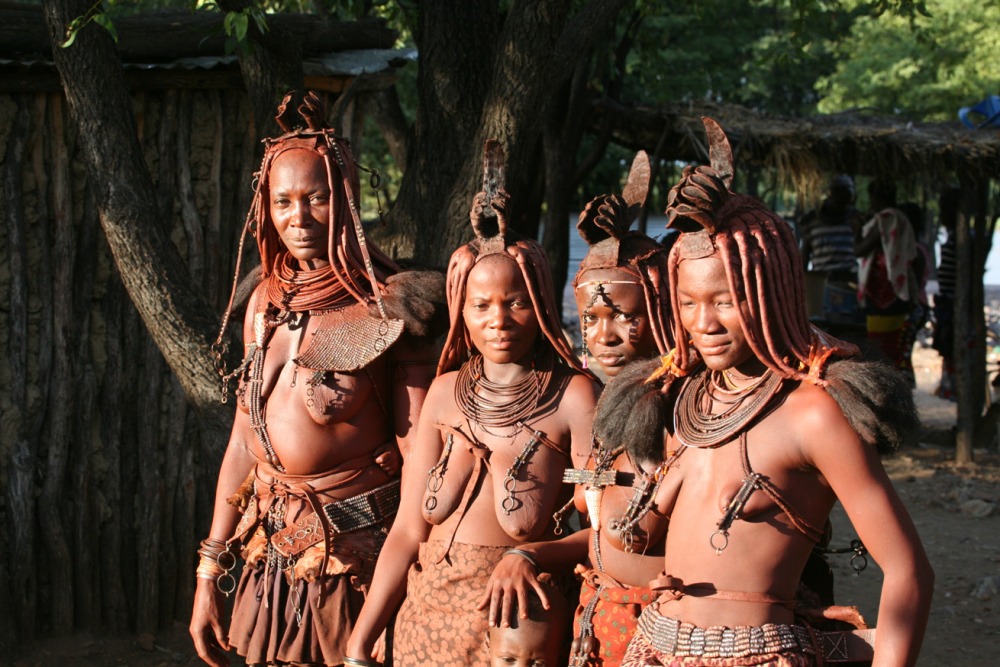
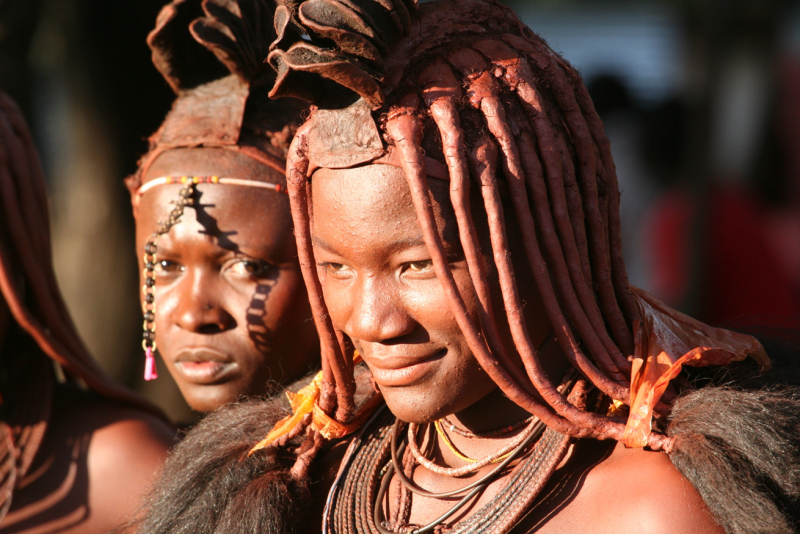
These people have very particular characteristics that aroused my curiosity and led me to research the internet in order to better understand and appreciate their beauty and culture.On the trip to Ruacaná I had the opportunity to photograph in a local village, some Himba women who were walking around looking for tourists in order to receive some money in exchange for photographs, hence this article is called Himbas – The tourist side.
This is a first photographic approach to the Himba people and, for that very reason, still a very limited one.
It was agreed that, at a later stage, although no date has yet been set, contact would be made with the administrator of one of the Himba villages near Ruacaná, with the aim of arranging a subsequent visit to the community. The intention will be to photograph the Himba in their own environment and, above all, to gain a better understanding of their way of life, customs and culture.
A people between Angola and Namibia
For now, and in summary, I share, with due acknowledgement, some excerpts from texts I came across about this people with such unique characteristics.The Himba are an ethnic group with a pastoral tradition who live mainly in northern Namibia and areas of southern Angola, particularly around the Cunene River region. They speak Otjihimba, a variant of the Herero language.
For several centuries, they have lived and moved throughout this region, crossing territories that today belong to Angola and Namibia. For traditionally semi-nomadic communities, modern administrative borders do not always correspond to their cultural and family territories.
Pastoralism plays a central role in their way of life. The search for water and grazing land for their livestock can require some families to travel long distances, especially in the more arid regions.
Ochre and Himba identity
Himba women are particularly well known for the use of otjize, a traditional mixture made from ochre and fat, which is applied to the skin and hair.
The mixture gives the skin its characteristic reddish tone and is deeply associated with Himba standards of beauty and cultural identity. In addition to its aesthetic and symbolic significance, it also helps protect the skin from harsh environmental conditions such as the sun, wind and dust.
Hairstyles and the way the hair is styled also have an important cultural significance and can convey information related to a person's age and position within the community.
The role of women in the community
Himba women play a fundamental role in the organisation and daily life of their communities. They are responsible for many household activities, raising children and various tasks related to the maintenance of the village.Milking the cows is traditionally one of their responsibilities, as are carrying water, preparing food and carrying out various construction and maintenance tasks around the homes.
They are also skilled craftspeople. Necklaces, bracelets, decorative pieces and other objects produced by the communities can provide an important additional source of income. In some regions, particularly in Namibia, they often travel to urban centres to sell these products before returning to their villages.
Personal care is also an important part of their routines and traditions, with the use of otjize being one of the best-known and most visually distinctive practices of Himba culture.
Livestock as wealth and heritage
Cattle represent much more than a simple source of food. They are a central element of the economy, social organisation and heritage of Himba families.
The number of cattle traditionally reflects the wealth and social status of a family and also plays an important role in ceremonies and social events.
Meat is not necessarily part of the daily diet and may instead be reserved for special occasions, ceremonies, weddings or funerals.
In funeral rituals, cattle can also carry strong symbolic meaning, demonstrating the deep connection between animals, family, ancestors and the spiritual life of the community.
A story still to be continued
Many other fascinating aspects of this people remain to be told.
I still hope to have the opportunity to visit a Himba village and gain a deeper understanding of this community within its own territory. It will then be possible to bring back new photographs and more information about their religion, family organisation, traditions, customs and culture.
This first visit to Ruacaná therefore serves as an introduction to a fascinating cultural reality of southern Angola and the cross-border Cunene region.
Photographs
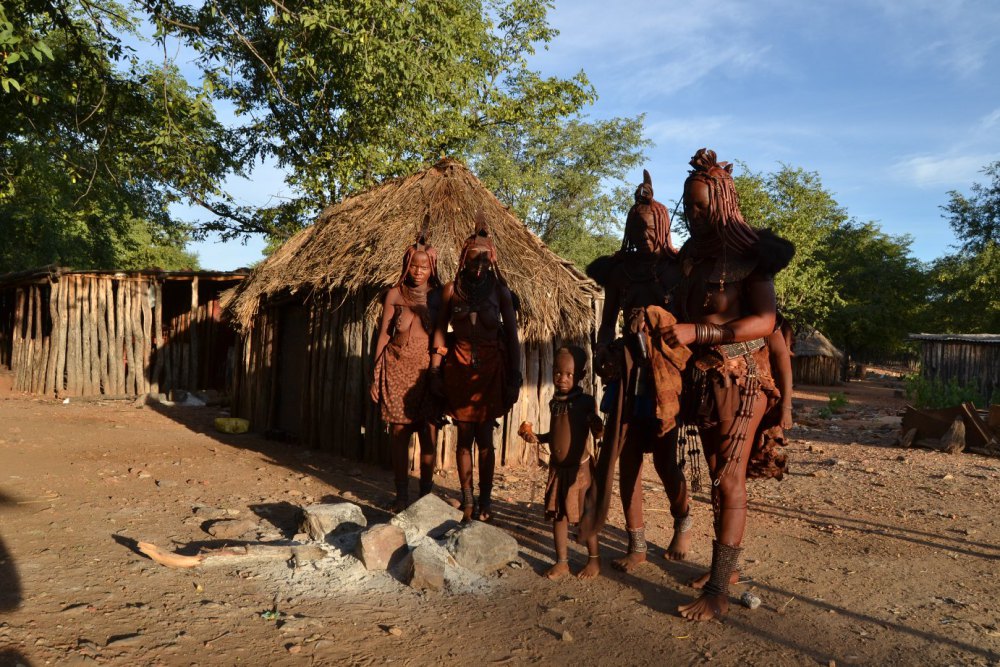
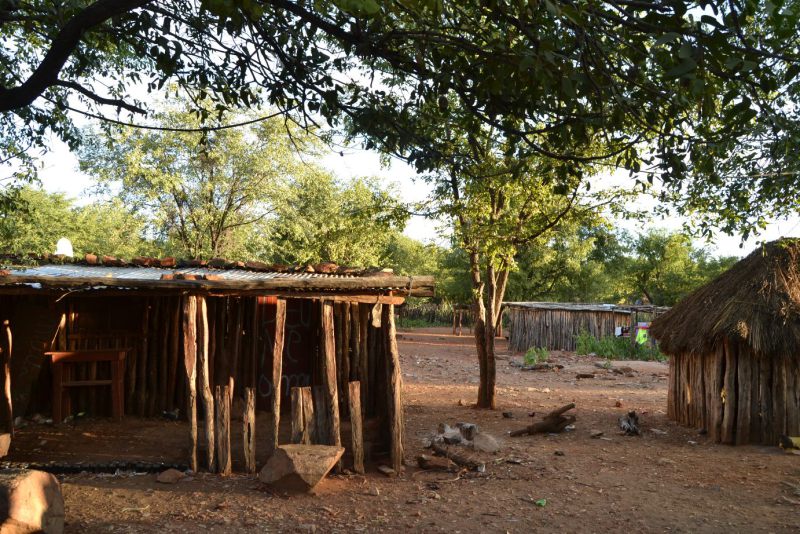

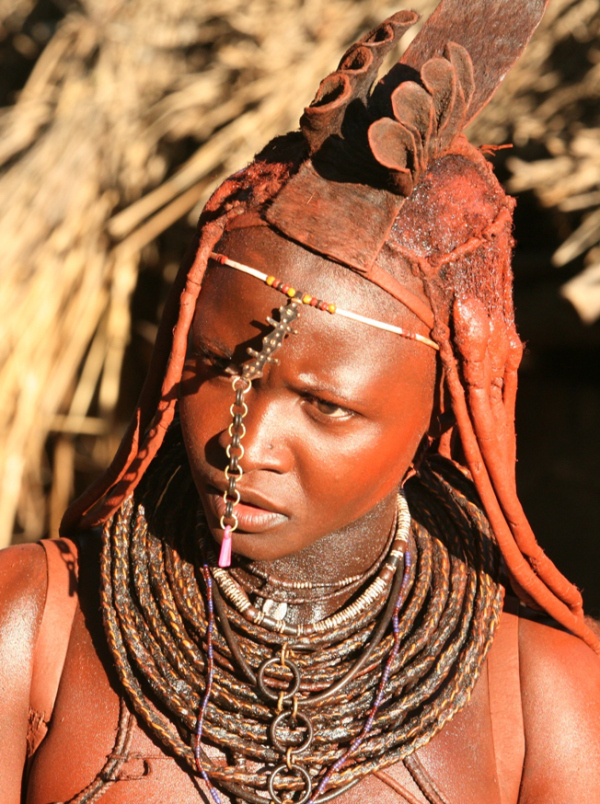





Ruacaná, March 2016
An article by: Blog Prazer de Conhecer
+ Info news article
-
 The Huíla Tourist Map project was presented on September 15th, in the Huíla Provincial Government Auditorium, in a session dedicated to sharing the work developed and collecting contributions for i...
 -
 Hotels bear commissions on funds allocated to the State, while tourists are forced to look for cash, facing discomfort and possible security risks.
 -
 O turismo angolano encontra-se num momento decisivo. Nos últimos anos foram alcançados alguns progressos, mas continuam a existir desafios estruturais que condicionam a competitividade do sector e ...
 -
 A entrada em vigor da Contribuição Especial para o Turismo, correspondente a 5% sobre as estadias de turistas internacionais, continua a levantar inúmeras dúvidas entre hotéis, aparthotéis, pousada...
 -
 The project aims to provide visitors with essential information about the territory's main attractions.