- Hotels
- Rent-A-Car
- Routs
Sentinel of the history of Angola: Fortaleza de Massangano
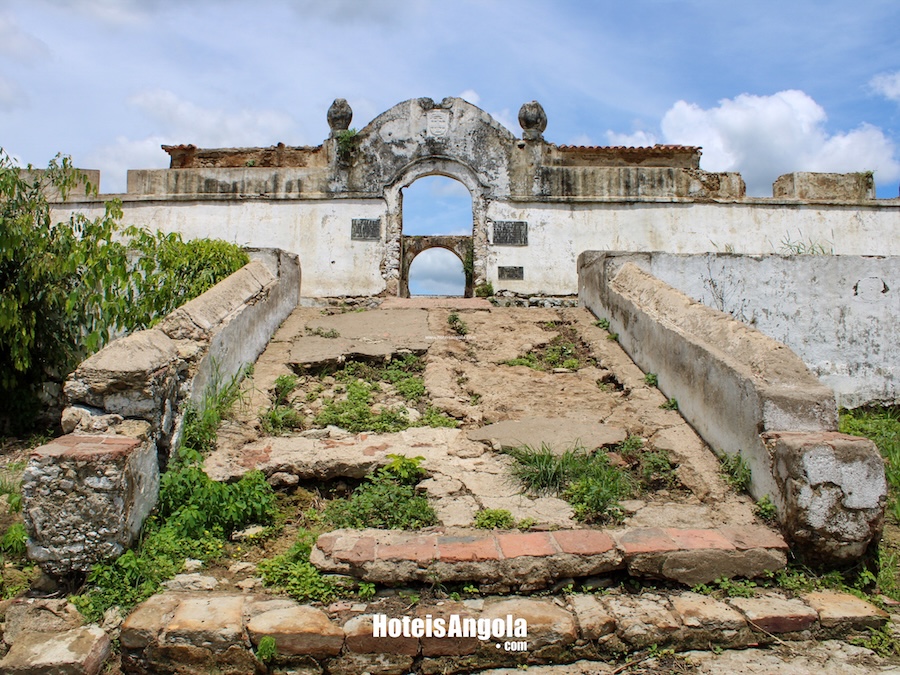
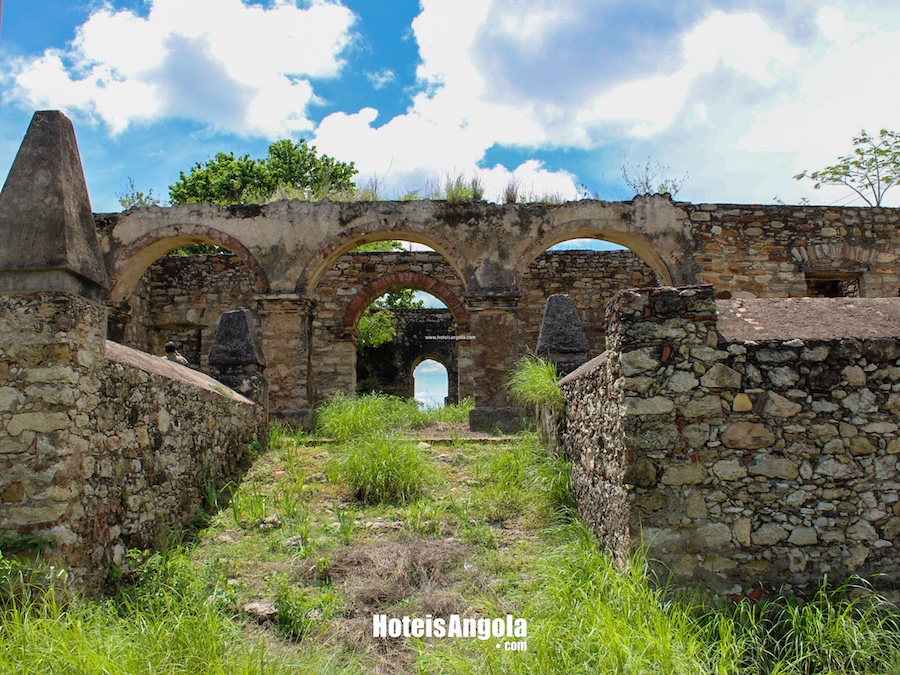
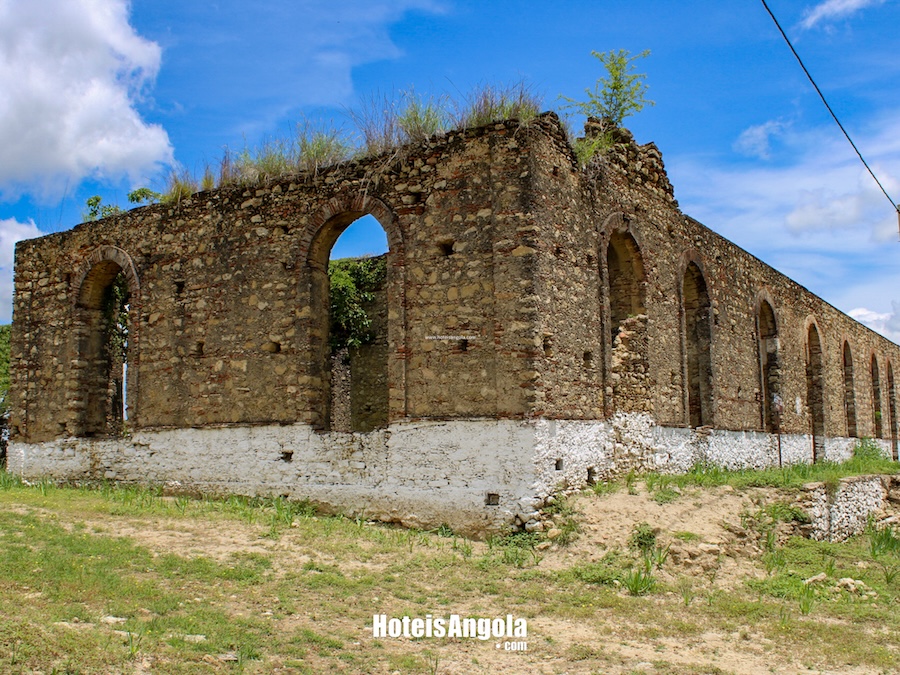
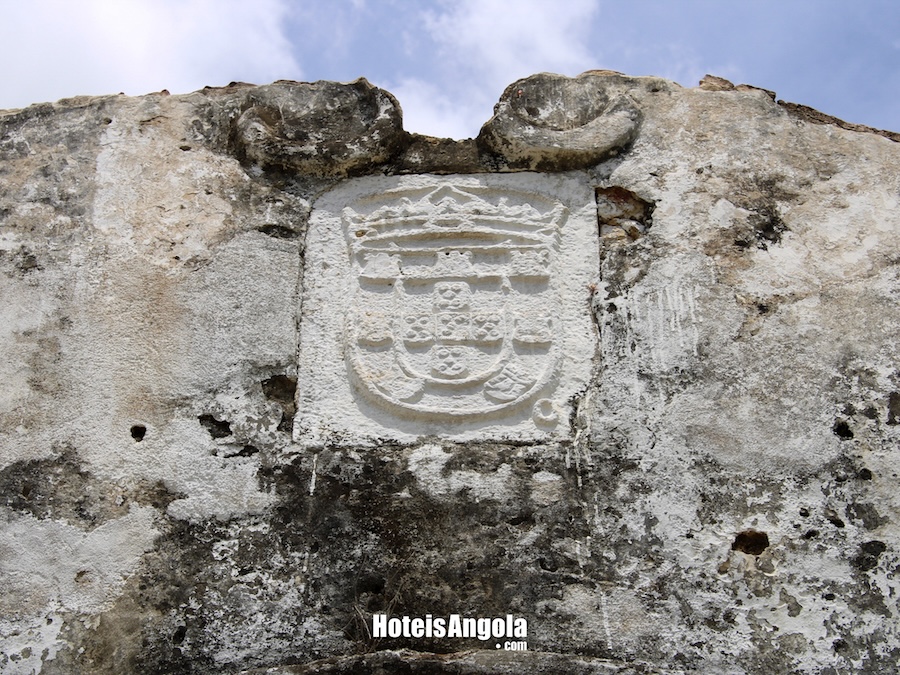
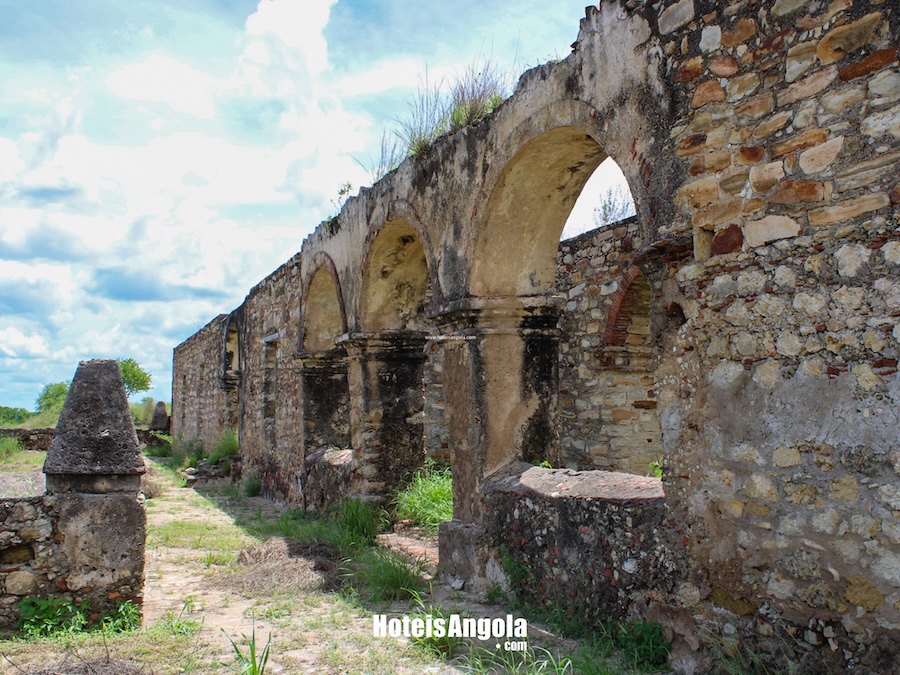
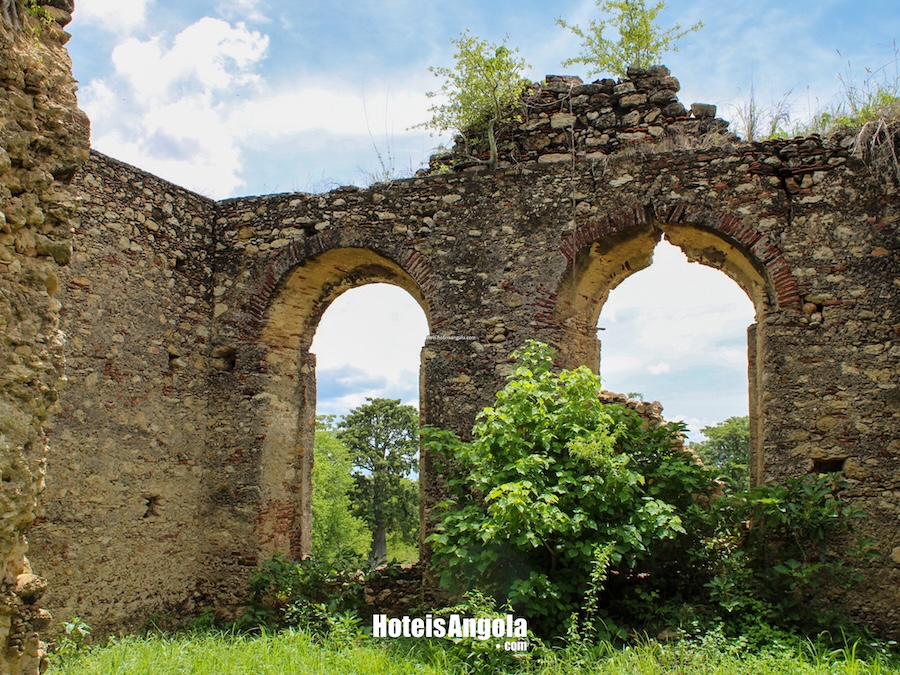
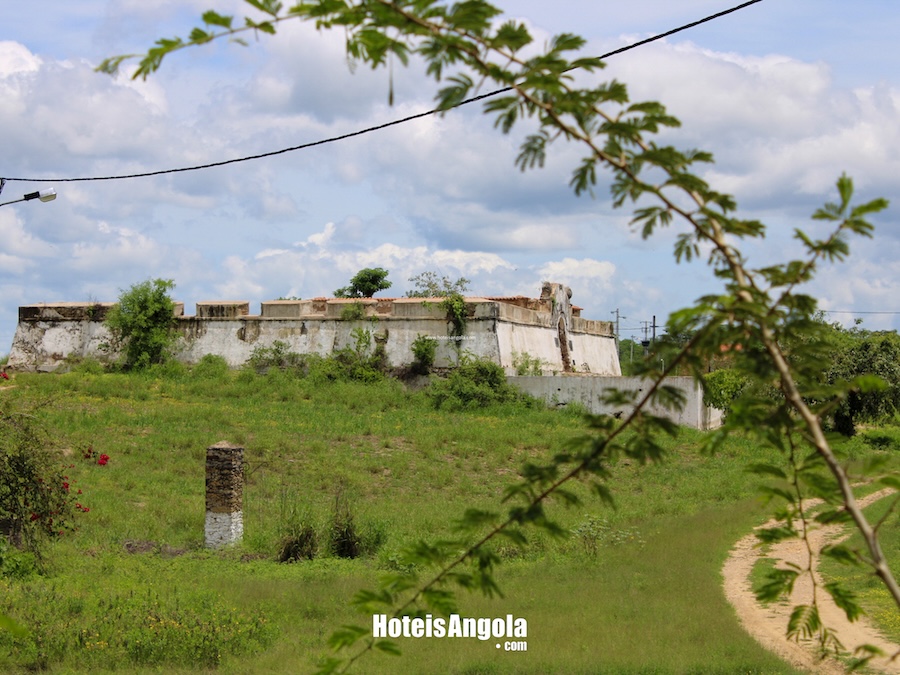
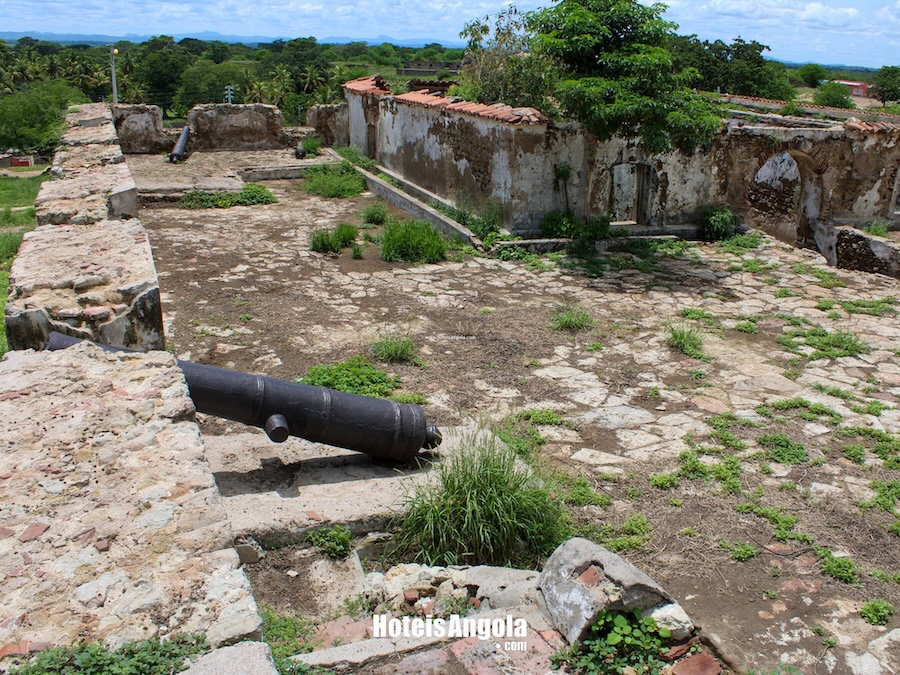
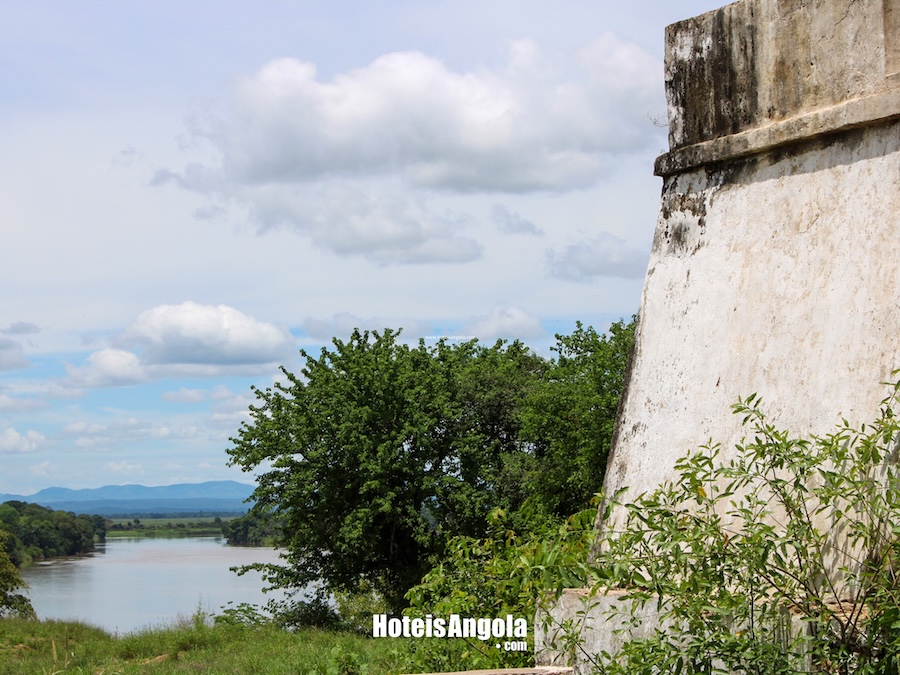
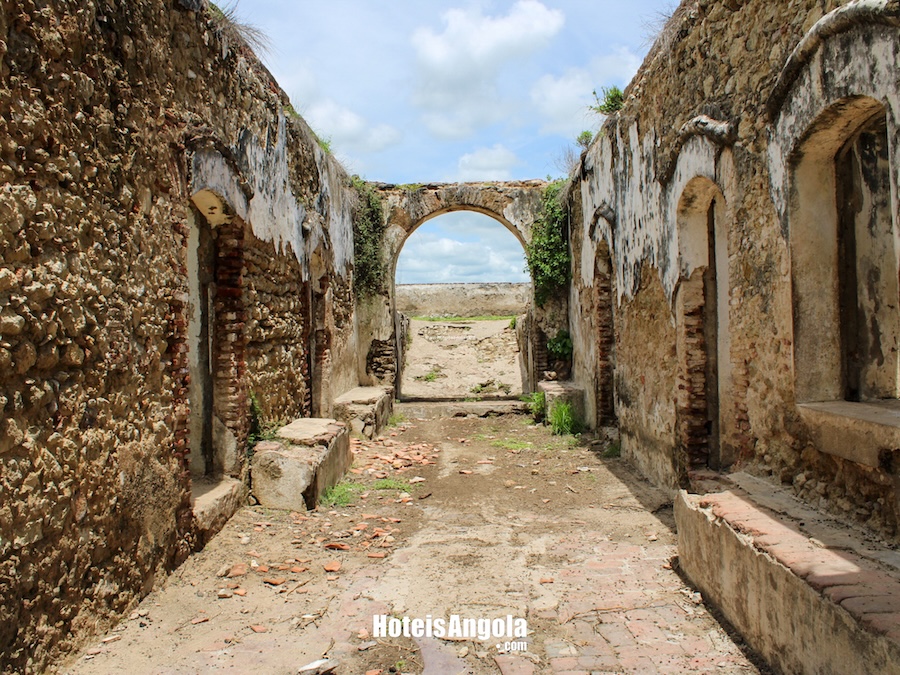
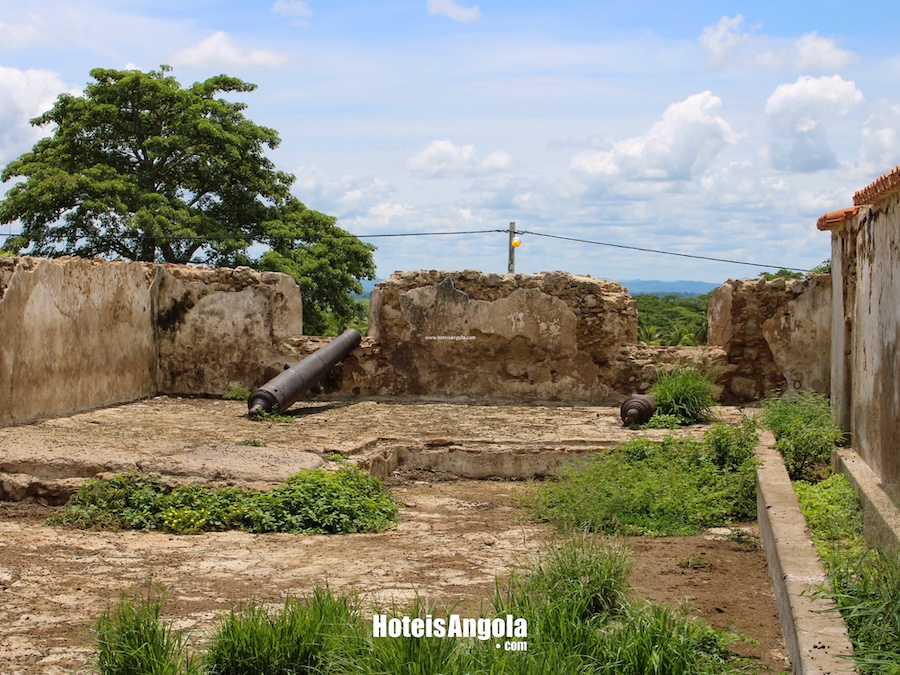
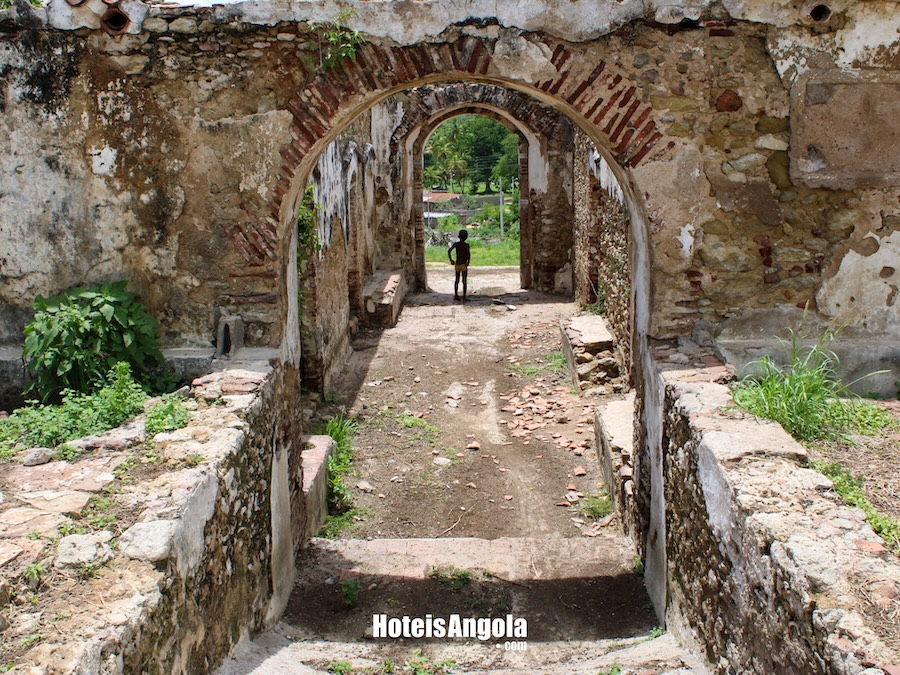
In the heart of the province of Cuanza Norte, on the banks of the mighty Cuanza River, stands the Massangano Fortress, one of the most emblematic testimonies of the Portuguese presence in Angola. Built in 1583, this fortress was the scene of decisive episodes in the country's history, playing a central role in military defence, slave trading, resistance to Dutch occupation and the technological and religious development of the region.
Even before its construction, Massangano was the scene of historical conflicts. In 1580, the Battle of Massangano took place nearby, where Portuguese forces defeated King Quiluange of the Dongo kingdom, consolidating their presence in the interior of Angola. Two years later, the Portuguese, led by Paulo Dias de Novais, were attacked by the Ngola, which led to the construction of the fortress as a strategic response to guarantee territorial control and protect trade routes from the interior to the coast.
During the occupation of Luanda by the Dutch in 1641, the Massangano Fortress became a refuge and bastion of resistance for the Portuguese forces. It was from here that the reconquest of Luanda was organised, culminating in the victory of Salvador Correia de Sá e Benevides in 1648, re-establishing Portuguese control over the capital.
The fortress did not only serve military purposes. Massangano was one of the main Portuguese “prisons” built to control the routes for acquiring and transporting slaves, who were taken to the coast and, from there, shipped to the Americas. Its strategic position made it possible to monitor the fairs and control the flow of enslaved people, becoming a key part of the Atlantic slave trade.
- Hotels
- Rent-A-Car
- Routs
The presence of Catholic missionaries in Massangano was crucial to the spread of Christianity and local education. At this time, the presence and activities of the Jesuit priest Baltasar Barreira in the Massangano region and in the interior of Angola during the late 16th century are particularly noteworthy. Barreira arrived in Luanda in 1580, as part of the Jesuit mission sent to support Paulo Dias de Novais, and carried out his ministry of evangelization in Angola for approximately fourteen years. Barreira was not only directly involved in the founding of churches and the conversion of local leaders, but also accompanied the Portuguese military campaigns in the interior, including the episodes that led to the founding of the Massangano prison. Several reports and letters from the priest himself and his contemporaries document his presence and influence in these parts, both as a missionary and as an advisor to the governor of Luanda. Furthermore, the oral traditions of the Kingdom of Dongo collected at the end of the 16th century were recorded by Baltasar Barreira, which reinforces his close contact with the local populations and his importance as a historical source about the region. Therefore, there is not only documentary evidence but also historical evidence of the presence of the Jesuit priest Barreira in Massangano and its surroundings. The fortress served as a base for missionary work, which sought not only to convert the local populations, but also to establish educational and welfare structures, leaving deep marks on Angolan culture and society at the time. Today, the ruins of the Massangano Fortress are classified as a National Monument and are under the protection of the Angolan Ministry of Culture. The site keeps alive the memory of a complex past, made up of conquests, resistance, suffering and transformation. Visiting Massangano is to delve into the history of Angola and understand the multiple roles that this fortress played in the formation of the country.
The Massangano Fortress is not just an architectural landmark: it is a symbol of Angola's resilience and historical diversity, an invitation to reflect on the legacy of the past and the construction of the future.
+ Info news article
-
 The Huíla Tourist Map project was presented on September 15th, in the Huíla Provincial Government Auditorium, in a session dedicated to sharing the work developed and collecting contributions for i...
 -
 Hotels bear commissions on funds allocated to the State, while tourists are forced to look for cash, facing discomfort and possible security risks.
 -
 O turismo angolano encontra-se num momento decisivo. Nos últimos anos foram alcançados alguns progressos, mas continuam a existir desafios estruturais que condicionam a competitividade do sector e ...
 -
 A entrada em vigor da Contribuição Especial para o Turismo, correspondente a 5% sobre as estadias de turistas internacionais, continua a levantar inúmeras dúvidas entre hotéis, aparthotéis, pousada...
 -
 The project aims to provide visitors with essential information about the territory's main attractions.
Newsletter - Promotions and highlights in your email
Invalid e-mail address
Please wait...