- Hotels
- Rent-A-Car
- Routs
Dombe Grande

Is it a spell? Is it a myth? Is it a legend? It's Dombe Grande! There is no one who does not associate this Benguela village with things from beyond. True or not, what is certain is that Dombe Grande is river land in semi-desert; of secret beaches; of tradition and myths
With the protection of the Kalundus, visit the commune that has sweetened the lives of many Angolans for decades on end.
Sometimes it's better not to mess with these magical things.
Dombe Grande is a land of powerful sorcerers, you hear about it.
Yes, there are well-known sorcerers in the town's neighborhoods; and, yes, there are people who come from all over to visit them to ask for protection, blessings and personal miracles.
And also to look closely at others.
But neither I nor anyone else knows about these things.
Much less in broad daylight.
The label is there, printed, and is part of the collective imagination, not only in the province of Benguela, but throughout the country.
br> However, Dombe Grande is more than stories of kimbandas and healers.
About 60 km from the provincial capital, the small village is a land of contrasts that lend it a strange beauty, in what is good about “strange” .
The road that connects Benguela to the municipal headquarters crosses a rugged and semi-arid landscape, announcing the Namib Desert, which is beginning to take shape here. Dry land, light brown, sandy brown, shaped into wind-bitten hills.
Giant sky reminiscent of an inhospitable land.
As we move forward, something changes.
We enter the Coporolo valley, a river that has long been giving headaches to the inhabitants of the region, with its floods seasonal.
But water is life. And what a life! The banks of the river are a true semi-oasis in the semi-desert.
Palm trees, banana trees and luxuriant vegetation of all kinds hide unexpected river beaches with great natural and historical value.
Along the Coporolo riverbed, Portuguese caravans headed inland heading for Quilengues, Cubango and Caconda, today's municipalities in Huila. Passing the bridge over the river, we enter the Dombe Grande communal headquarters.
We are welcomed by humble houses that outline the simple layout of this small place.
Although the town is not very old, its people date back to times before the arrival of the Bantus.
They are generally known as Mundombes and played a unique role in our history.
Tradition has it that, in the hills of Dombe Grande, the people of the region defeated the Jagas, warriors originally from Central Africa who, in the 16th century, spread terror throughout what is now Angola.
After devastating the all-powerful Kingdom of Congo, the Jagas advanced towards the south.
Upon reaching the hills of Dombe Grande, they were finally defeated by the Mundombe, who put an end to the invaders' reign of terror.
The story still spreads word of mouth among the elderly today.
However, during the centuries that followed, the Mundombe were unable to resist the greatest threat of all: slavery.
The fate of thousands of people was tragic, but their mark reached far... far away! Several historians say that the Mundombe or “Ndombe” gave their name to a strong tradition that still celebrates African heritage today (surprise!) in unsuspected Uruguay.
Candombe, as it is called, is a rhythm based on drums that originated with slaves who arrived in the Rio del Plata region from the 15th century onwards. Today, it is an artistic expression and affirmation of the Afro-descendant community of the small South American country who know that their “candombe” is linked by an umbilical cord to the “Dombe Grande of Angola”.
A story almost unknown among us, but celebrated with pomp and circumstance in Uruguay, which managed to have candombe declared a Cultural Heritage of Humanity in 2009.
From unknown memories to scars from the past, today Dombe Grande lives, sadly, in the shadow of a giant sweet nougat, the deactivated Açucareira 4 de Fevereiro.
Created in the 1950s, this must-visit place was one of the key points in the production of sugar consumed throughout Angola in the following decades. It was the largest sugar company in the country.
And since the 1980s, it has been a sleeping giant waiting for its future to be defined – whether it will produce sugar again, or whether its lands will produce citrus fruits, or soybeans, or other type of agricultural products.
In addition to the river, the Açucareira, and the arts of healers and sorcerers (in case you are interested), the village of Dombe Grande is a strategic point for reaching practically deserted beaches on the Benguela coast.
One of the most beautiful is Cuio beach, which Rede Angola has already visited on a previous itinerary. Very close by is also the Chimalavera Park, which is undergoing recovery, on the road between Benguela and Dombe Grande.
The light in this place is incredible, it illuminates and drives away the shadows. Go without fear and discover a landscape of contrasts. From the river and the sea. Of what was and what is. From myth and reality.
Sometimes it's better not to mess with these magical things.
Dombe Grande is a land of powerful sorcerers, you hear about it.
Yes, there are well-known sorcerers in the town's neighborhoods; and, yes, there are people who come from all over to visit them to ask for protection, blessings and personal miracles.
And also to look closely at others.
But neither I nor anyone else knows about these things.
Much less in broad daylight.
The label is there, printed, and is part of the collective imagination, not only in the province of Benguela, but throughout the country.
br> However, Dombe Grande is more than stories of kimbandas and healers.
About 60 km from the provincial capital, the small village is a land of contrasts that lend it a strange beauty, in what is good about “strange” .
The road that connects Benguela to the municipal headquarters crosses a rugged and semi-arid landscape, announcing the Namib Desert, which is beginning to take shape here. Dry land, light brown, sandy brown, shaped into wind-bitten hills.
Giant sky reminiscent of an inhospitable land.
As we move forward, something changes.
We enter the Coporolo valley, a river that has long been giving headaches to the inhabitants of the region, with its floods seasonal.
But water is life. And what a life! The banks of the river are a true semi-oasis in the semi-desert.
Palm trees, banana trees and luxuriant vegetation of all kinds hide unexpected river beaches with great natural and historical value.
Along the Coporolo riverbed, Portuguese caravans headed inland heading for Quilengues, Cubango and Caconda, today's municipalities in Huila. Passing the bridge over the river, we enter the Dombe Grande communal headquarters.
We are welcomed by humble houses that outline the simple layout of this small place.
Although the town is not very old, its people date back to times before the arrival of the Bantus.
They are generally known as Mundombes and played a unique role in our history.
Tradition has it that, in the hills of Dombe Grande, the people of the region defeated the Jagas, warriors originally from Central Africa who, in the 16th century, spread terror throughout what is now Angola.
After devastating the all-powerful Kingdom of Congo, the Jagas advanced towards the south.
Upon reaching the hills of Dombe Grande, they were finally defeated by the Mundombe, who put an end to the invaders' reign of terror.
The story still spreads word of mouth among the elderly today.
However, during the centuries that followed, the Mundombe were unable to resist the greatest threat of all: slavery.
The fate of thousands of people was tragic, but their mark reached far... far away! Several historians say that the Mundombe or “Ndombe” gave their name to a strong tradition that still celebrates African heritage today (surprise!) in unsuspected Uruguay.
Candombe, as it is called, is a rhythm based on drums that originated with slaves who arrived in the Rio del Plata region from the 15th century onwards. Today, it is an artistic expression and affirmation of the Afro-descendant community of the small South American country who know that their “candombe” is linked by an umbilical cord to the “Dombe Grande of Angola”.
A story almost unknown among us, but celebrated with pomp and circumstance in Uruguay, which managed to have candombe declared a Cultural Heritage of Humanity in 2009.
From unknown memories to scars from the past, today Dombe Grande lives, sadly, in the shadow of a giant sweet nougat, the deactivated Açucareira 4 de Fevereiro.
Created in the 1950s, this must-visit place was one of the key points in the production of sugar consumed throughout Angola in the following decades. It was the largest sugar company in the country.
And since the 1980s, it has been a sleeping giant waiting for its future to be defined – whether it will produce sugar again, or whether its lands will produce citrus fruits, or soybeans, or other type of agricultural products.
In addition to the river, the Açucareira, and the arts of healers and sorcerers (in case you are interested), the village of Dombe Grande is a strategic point for reaching practically deserted beaches on the Benguela coast.
One of the most beautiful is Cuio beach, which Rede Angola has already visited on a previous itinerary. Very close by is also the Chimalavera Park, which is undergoing recovery, on the road between Benguela and Dombe Grande.
The light in this place is incredible, it illuminates and drives away the shadows. Go without fear and discover a landscape of contrasts. From the river and the sea. Of what was and what is. From myth and reality.
Baía Farta, Benguela, Angola
Video
Map
Accommodation
Benguela surrounding area
- 8.8 27 reviews from kz 90,000Aparthotel Mil Cidades
- 6.9 24 reviews from kz 50,000Hotel Praia Morena
- 7.4 9 reviews from kz 45,000Hotel Luso
- 7.4 5 reviews from kz 25,000Calmito Aparthotel
- 7.6 5 reviews from kz 27,000Residencial Royal Plaza Ombaka
- 0.0 0 reviews from kz 35,900Hotel Residencial KUYOYA
- 8.4 3 reviews from kz 33,990Hotel Pequeno Brasil
- 7.4 2 reviews from kz 22,000Residencial VG - Navegantes
- 8.5 3 reviews from kz 22,000Residencial VG - Cidade
- 0.0 0 reviews from kz 60,000Residencial Mussenga
- 9.6 2 reviews from kz 54,500Flow Hotel
- 6.7 3 reviews from kz 19,500Residencial Azul
- 8.8 2 reviews from kz 20,000Residencial Filipa
Lobito surrounding area
- 6.9 7 reviews from kz 36,800Hotel Chik Chik II
- 7.5 11 reviews from kz 78,000Hotel Turimar
- 7.8 2 reviews from kz 30,000Uami Guest House
- 8.1 10 reviews from kz 50,000Hotel H&L
- 7.2 1 reviews from kz 70,000Pink House
- 8.0 10 reviews from kz 16,000Residencial Rosalina Express
- 0.0 0 reviews from kz 45,000Baía da Restinga - Guest House
- 8.9 6 reviews from kz 55,000Oceano Boutique Hotel
- 0.0 0 reviews from kz 80,500Aparthotel Aurora
- 9.2 1 reviews from kz 75,000Almar Aparthotel
Baía Farta surrounding area
- 7.4 10 reviews from kz 90,000Hotel Duas Faces
- 8.3 9 reviews from kz 75,000Lodge Kapembawé
- 8.1 19 reviews from kz 115,000CV Lodge & Spa
+ Travel Itineraries
-
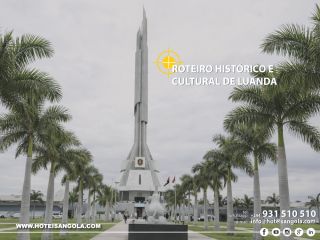 Museum Route located in Luanda, This itinerary is an immersive journey through the origins, memories and living expressions of the Angolan capital.
 -
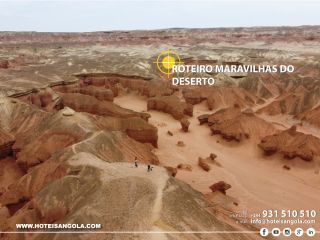 Namibe Desert, takes you to discover its charms.
 -
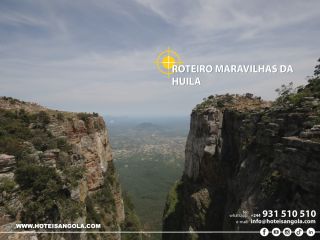 Discover the wonders of Huíla province in Angola with an unforgettable tourist itinerary that covers the most emblematic and stunning tourist attractions in the region.
 -
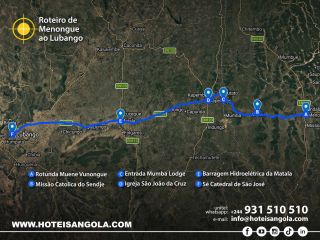 This Itinerary is a true immersion in the wild nature and cultural authenticity of southeast Angola.
Informations:
Newsletter - Promotions and highlights in your email
Invalid e-mail address
Please wait...
Support Line
 WhatsApp
 Telephone
 Email
Email
Available every day from 8:00 AM to 10:00 PM. Allows you to clarify doubts, support reservations, and guide you in choosing the best accommodation and tourist services.