- Hotels
- Rent-A-Car
- Routs
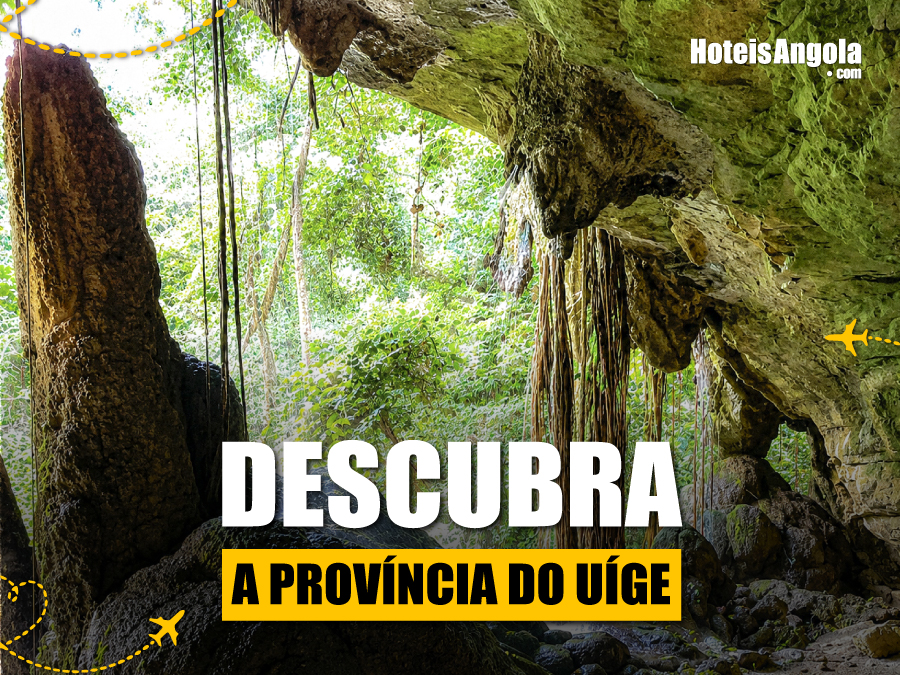
Known as the "Land of the Red Berry" or "Land of the Red Bean", the province earned this nickname due to its importance in coffee production, which for decades formed the main foundation of its economy.
It is made up of 23 municipalities, namely Alto Zaza, Ambuíla, Bembe, Bungo, Cangola, Damba, Dange Quitexe, Lucunga, Mabanza Sosso, Maquela do Zombo, Massau, Milunga, Mucaba, Negage, Nova Esperança, Puri, Quimbele, Quipedro, Sacandica, Songo, Sanza Pombo, Uíge and Vista Alegre.
History:
The history of Uíge is deeply connected to the former Kingdom of Kongo, one of the most important civilizations in Central Africa. Since its establishment in the 14th century, the territory was part of this powerful kingdom, ruled from Mbanza Kongo by the monarchs known as the Manikongos. The region was an important political, economic and cultural centre, incorporating influential administrative entities such as the Duchy of Bambata, headquartered in Maquela do Zombo, and the territory of Damba-Sosso. The arrival of the Portuguese in the 15th century brought new dynamics to the region, introducing Christianity, literacy and Atlantic trade.One of the most significant episodes in the province's history took place in 1665 with the Battle of Ambuíla, fought between the forces of the Kingdom of Kongo and the Portuguese. The Congolese defeat and the death of King António I led to the fragmentation of the kingdom and permanently altered the political balance of the region. During the colonial period, coffee production drove the territory's economic growth, leading to the construction of roads, urban centres and infrastructure. In 1961, the former Congo District was officially renamed Uíge District, a designation that remained after Angola's independence.
Interesting Fact:
An interesting fact about the province of Uíge is related to the origin of its name. Many scholars believe that "Uíge" derives from the Kikongo word "Wizidi", meaning "arrival", in reference to the arrival of the first Europeans in the region. Another interesting fact is that, for many years, Uíge was responsible for a large share of Angola's national coffee production, being regarded as the country's main coffee-producing centre. Even today, coffee plantations remain one of the most characteristic features of the local landscape.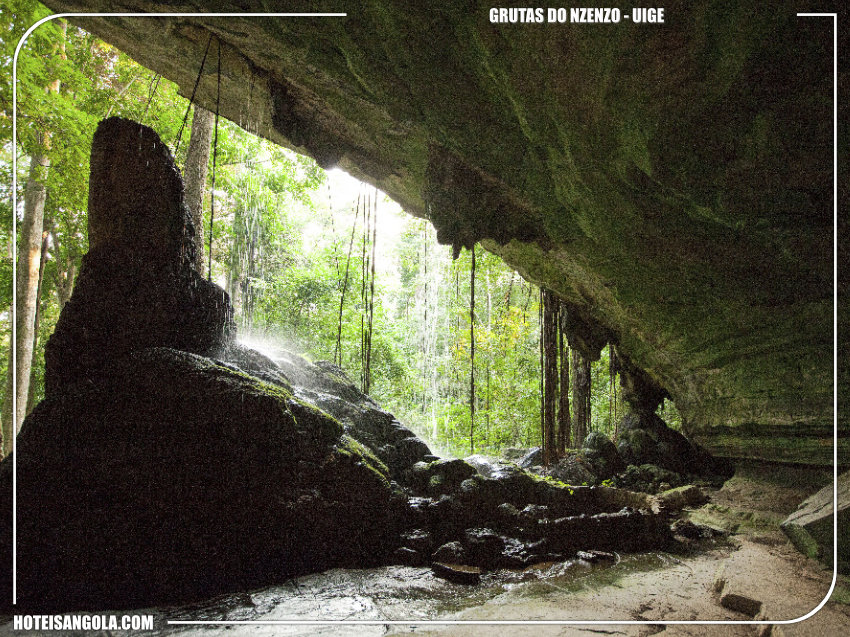
How to Get There?
Getting to Uíge is relatively straightforward.By road, access is mainly via National Road EN-120, providing a direct connection with the Angolan capital and other northern provinces such as Zaire, Bengo and Malanje.
Currently, the main scheduled air connection to the province of Uíge operates from Luanda through Manuel Quarta Mpunza Airport. The Luanda–Uíge route was resumed by TAAG in 2022 and continues to be the province's main domestic air connection.
How Many Days?
The recommended time to explore the province and its main tourist attractions is approximately 5 days, allowing sufficient time to travel between the main sites, as many of them are located far from the provincial capital and require road travel.Accommodation:
Uíge surrounding area
- from kz 28,000Hotel Salala
What to Do and Explore:
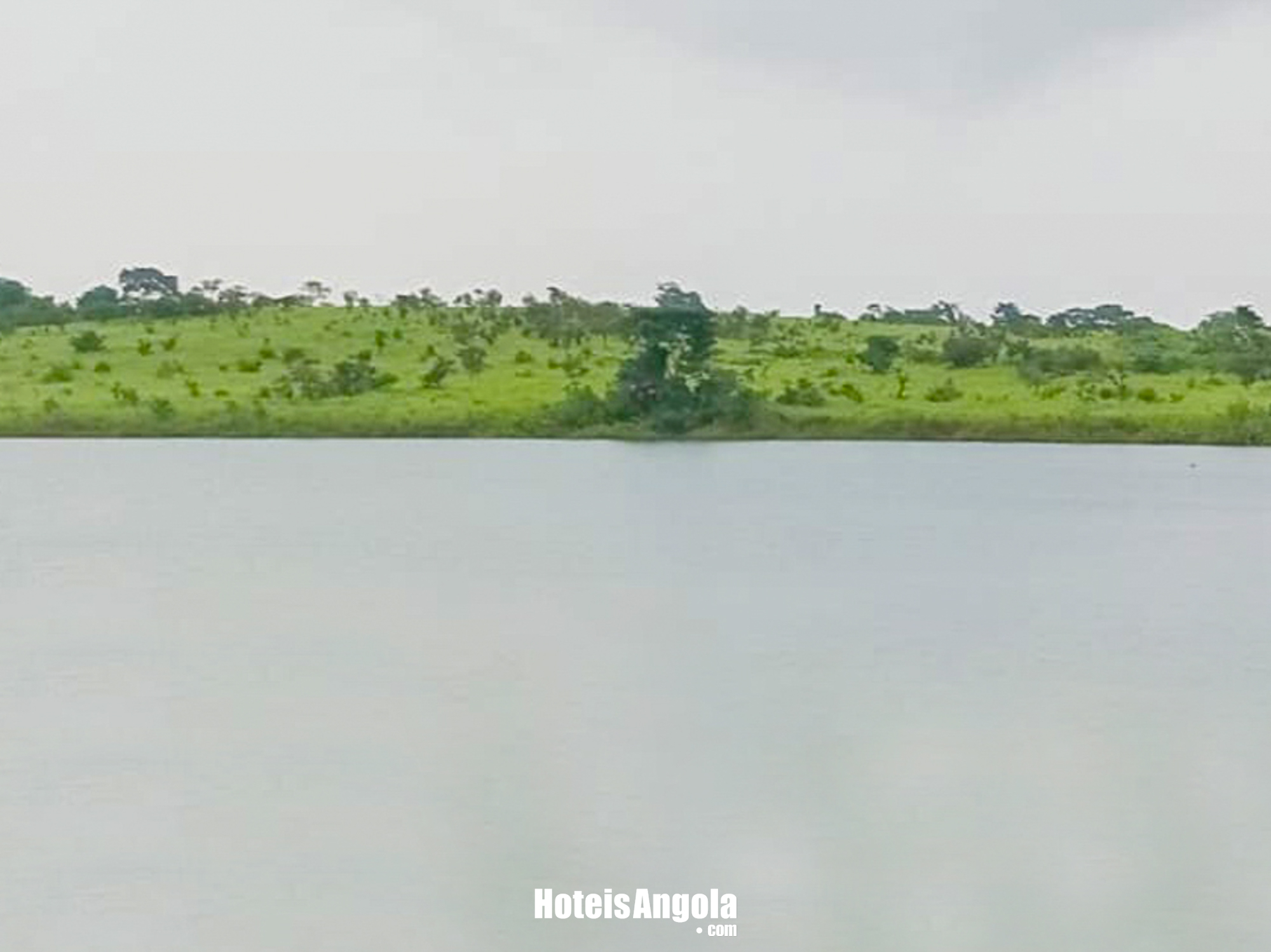
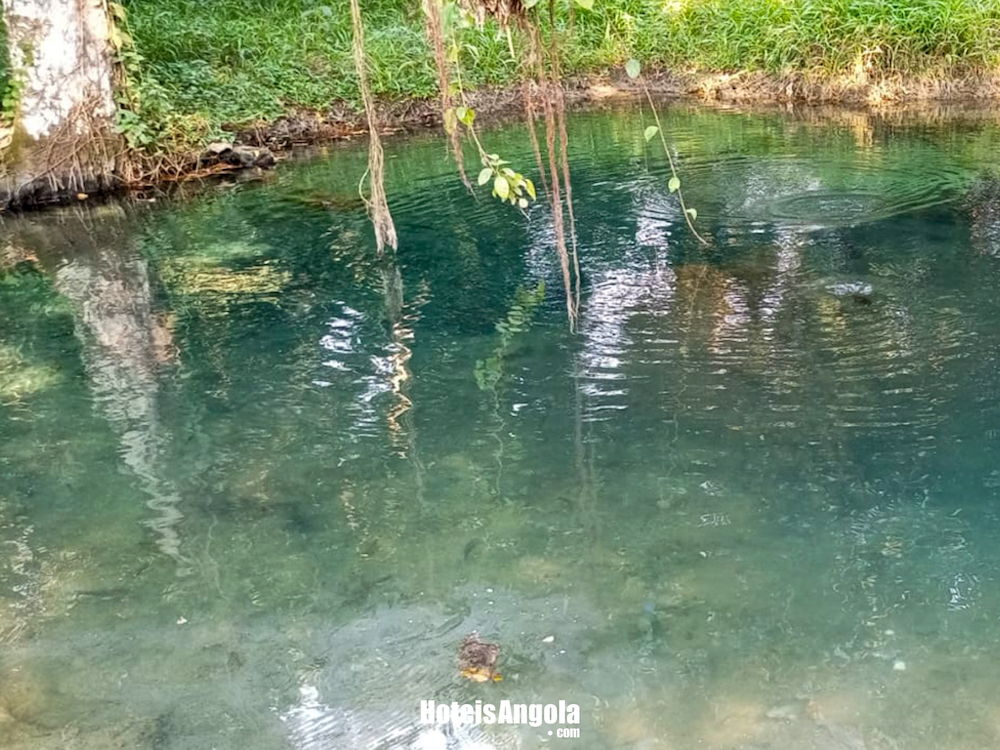
The province of Uíge possesses a vast historical, archaeological and natural heritage that reflects different stages of its development over the centuries. From fortresses and colonial monuments to archaeological sites, waterfalls and nature reserves, each location preserves an important part of the region's collective memory. Discover some of its highlights:- Nzenzo Caves
- Magic Lagoon
- Kongo Ethnographic Museum
- Quissadi and Kabala Rock Engravings
- Fortim of Maquela do Zombo
- Church of Saint Joseph
- Fort of São José do Encoje
- Mufututo Lagoon
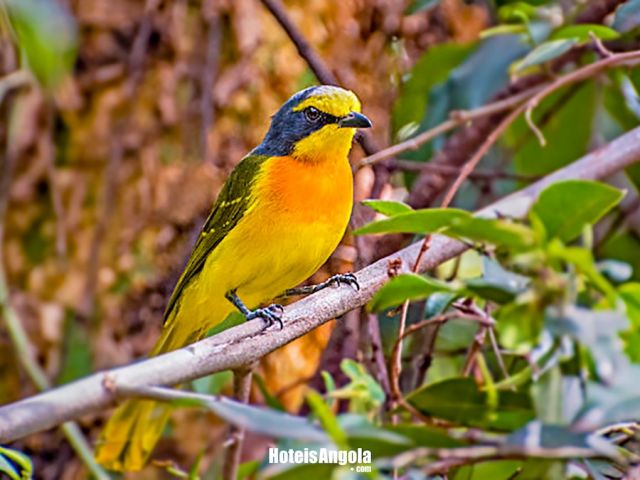
Birdwatching TourismThe province of Uíge stands out as one of Angola's regions with outstanding potential for birdwatching tourism, thanks to the richness of its natural habitats and the diversity of bird species that can be observed throughout its territory. Uíge's geographical location within the Congo rainforest belt makes the province an important refuge for species characteristic of Central Africa, attracting ornithologists, nature photographers, researchers and birdwatchers from around the world. The abundance of water resources and the relatively well-preserved ecosystems contribute to the region's remarkable biodiversity throughout the year. Birdwatching tourism therefore represents an opportunity to diversify the province's tourism offering by promoting a sustainable tourism model that combines nature conservation with the economic development of local communities. |
What to Eat:
The province of Uíge has one of Angola's most distinctive and significant culinary traditions, with its most representative traditional dishes being quizaca, micate, funge de bombó and catato.The gastronomy of Uíge is one of the most authentic expressions of Bakongo culture and stands out among Angola's most original culinary traditions. Local flavours reflect the population's strong connection to agriculture and locally grown produce, resulting in a cuisine that is rich, nutritious and deeply rooted in ancestral customs.
Among its most iconic dishes is quizaca, prepared from carefully ground cassava leaves that are cooked and seasoned, usually served with fish or meat.
Funge de bombó, made from cassava flour, is a staple food and accompanies most traditional meals. Micate, a small fried sweet dough cake, is highly appreciated as a snack or dessert and is commonly found in markets and traditional celebrations.
However, the province's greatest gastronomic symbol is catato, a traditional delicacy prepared from edible caterpillars collected during specific seasons of the year. Rich in protein and regarded as a true regional speciality, catato represents an important element of the cultural identity of the people of Uíge. The local cuisine is further enriched by a variety of dishes prepared with peanuts, beans, freshwater fish, bananas, cassava and tropical fruits, offering visitors a unique and genuinely Angolan gastronomic experience.
In summary, Uíge is a province where history, culture, nature and tradition come together in a single destination. From the legacy of the ancient Kingdom of Kongo to its vast coffee plantations, as well as its waterfalls and nature reserves, the region offers authentic and enriching experiences. Visiting Uíge means discovering one of the most important chapters in Angola's history while enjoying some of the country's most beautiful and welcoming landscapes.



Support Line
 WhatsApp
 Telephone
 Email
Email
Available every day from 8:00 AM to 10:00 PM. Allows you to clarify doubts, support reservations, and guide you in choosing the best accommodation and tourist services.