- Hotels
- Rent-A-Car
- Routs
Namibe Provincial Museum
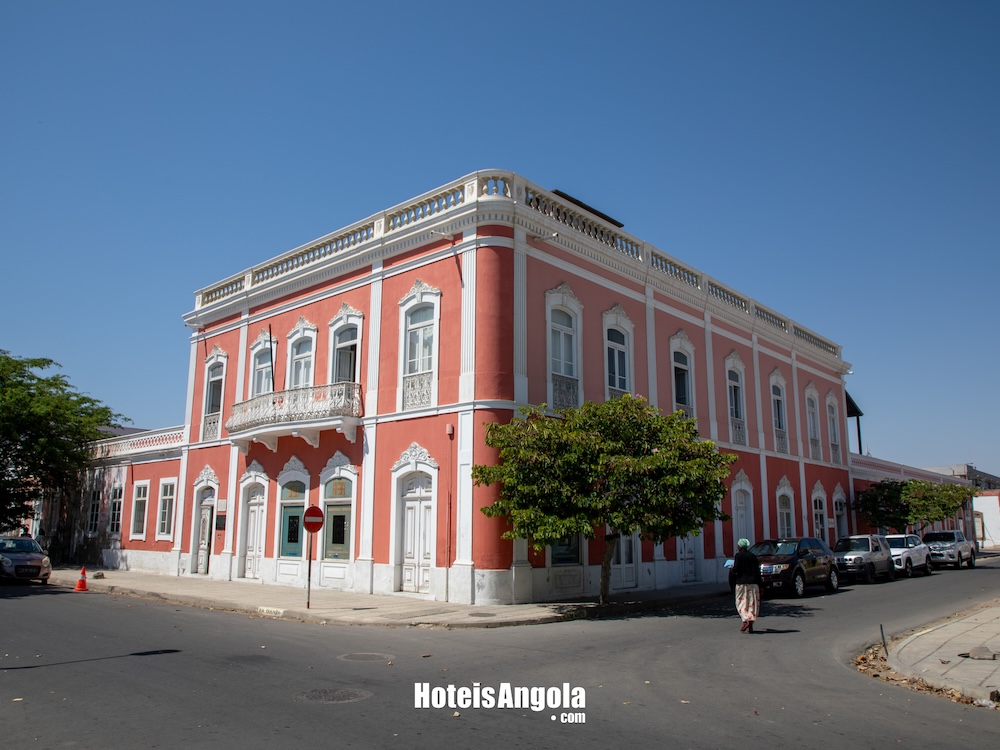
Built in mid-1868, it stands out in the history of local architecture as a treasure of high artistic suitability.
Identified as the Guardian of the Memory of Southern Angola, located in the historic center of Moçâmedes, the Namibe Regional Museum stands as one of the most important cultural institutions in southern Angola, playing a decisive role in the preservation of collective memory, cultural identity, and the natural diversity of the province.
Currently housing the Namibe Provincial Office of Culture and Tourism, the Provincial Museum also includes annexes such as galleries and service areas.
Situated between the Atlantic Ocean and the desert, the museum offers visitors a comprehensive reading of the past and present of a region marked by human resilience and rich heritage.
More than an exhibition space, the Namibe Regional Museum functions as a living archive of local history, where ancestral narratives, colonial legacies, and contemporary expressions of Angolan culture intersect.
Each gallery reveals fragments of a territory shaped by an arid climate, human migrations, and the continuous adaptation of communities to their environment.
After national independence, the building was immediately designated as the Namibe Provincial Museum, housing permanent exhibitions on marine life, local history, prehistory, nature, and relics from the past.
The permanent collection stands out for its thematic diversity.
The archaeology and paleontology collections reveal evidence that helps to understand the antiquity of human occupation and the geological evolution of the region. The natural history section presents species adapted to the desert ecosystem, highlighting the environmental uniqueness of Namibe, internationally recognized.
In the ethnographic domain, the museum devotes special attention to the Mucubal, Himba, and Herero peoples, exhibiting traditional attire, work tools, household utensils, and ceremonial objects that testify to ways of life deeply connected to the land, livestock, and spiritual practices. These exhibitions contribute to the valorization of local cultures and to the transmission of intangible heritage to new generations.
The museological route also includes references to the Portuguese colonial presence, the struggle for national independence, and the urban development of Moçâmedes, allowing visitors to understand the political, social, and architectural transformations of the city throughout the 20th century.
Housed in a colonial-style building with arcades, wide corridors, and an inner courtyard that invites contemplation, the Namibe Regional Museum combines functionality with historical symbolism.
The serene atmosphere encourages educational visits, academic research, and cultural initiatives, reinforcing its role as a center of knowledge and intercultural dialogue.
As a space for heritage education, the museum regularly welcomes students, researchers, and tourists, promoting temporary exhibitions, educational activities, and cultural events.
Since 2000, the Namibe Provincial Museum has undergone restoration work, respecting its architectural value, its history, and the fact that it is itself a Museum of Architecture with more than 150 years of history.
Within the context of cultural tourism, it is today a mandatory stop for those seeking to understand the deep identity of southern Angola and the unique relationship between humans and the desert.
Currently housing the Namibe Provincial Office of Culture and Tourism, the Provincial Museum also includes annexes such as galleries and service areas.
Situated between the Atlantic Ocean and the desert, the museum offers visitors a comprehensive reading of the past and present of a region marked by human resilience and rich heritage.
More than an exhibition space, the Namibe Regional Museum functions as a living archive of local history, where ancestral narratives, colonial legacies, and contemporary expressions of Angolan culture intersect.
Each gallery reveals fragments of a territory shaped by an arid climate, human migrations, and the continuous adaptation of communities to their environment.
After national independence, the building was immediately designated as the Namibe Provincial Museum, housing permanent exhibitions on marine life, local history, prehistory, nature, and relics from the past.
The permanent collection stands out for its thematic diversity.
The archaeology and paleontology collections reveal evidence that helps to understand the antiquity of human occupation and the geological evolution of the region. The natural history section presents species adapted to the desert ecosystem, highlighting the environmental uniqueness of Namibe, internationally recognized.
In the ethnographic domain, the museum devotes special attention to the Mucubal, Himba, and Herero peoples, exhibiting traditional attire, work tools, household utensils, and ceremonial objects that testify to ways of life deeply connected to the land, livestock, and spiritual practices. These exhibitions contribute to the valorization of local cultures and to the transmission of intangible heritage to new generations.
The museological route also includes references to the Portuguese colonial presence, the struggle for national independence, and the urban development of Moçâmedes, allowing visitors to understand the political, social, and architectural transformations of the city throughout the 20th century.
Housed in a colonial-style building with arcades, wide corridors, and an inner courtyard that invites contemplation, the Namibe Regional Museum combines functionality with historical symbolism.
The serene atmosphere encourages educational visits, academic research, and cultural initiatives, reinforcing its role as a center of knowledge and intercultural dialogue.
As a space for heritage education, the museum regularly welcomes students, researchers, and tourists, promoting temporary exhibitions, educational activities, and cultural events.
Since 2000, the Namibe Provincial Museum has undergone restoration work, respecting its architectural value, its history, and the fact that it is itself a Museum of Architecture with more than 150 years of history.
Within the context of cultural tourism, it is today a mandatory stop for those seeking to understand the deep identity of southern Angola and the unique relationship between humans and the desert.
Moçâmedes, R. Kaumba, Namibe, Angola
Map
Namibe surrounding area
- from kz 74,174Hotel Chik Chik Namibe
- from kz 65,000Viva Executive Hotel Namibe
- from kz 54,000Hotel Yona Namibe
- from kz 20,000Residencial Maweza
- from kz 34,500Casa 2
Support Line
 WhatsApp
 Telephone
 Email
Email
Available every day from 8:00 AM to 10:00 PM. Allows you to clarify doubts, support reservations, and guide you in choosing the best accommodation and tourist services.