<?xml version="1.0" encoding="utf-8"?>
<feed xmlns="http://www.w3.org/2005/Atom">
	<title><![CDATA[Artigos de opinião]]></title>
	<link type="text/html" href="https://www.hoteisangola.com/en/destaques/artigos-opiniao/" />
	<subtitle type="html"><![CDATA[Articles on category Artigos de opinião]]></subtitle>
	<rights><![CDATA[Copyright 2026, HOTEIS ANGOLA]]></rights>
	<updated>2026-08-04T08:50:28+00:00</updated>
	<id>urn:uuid:111d857c-ad4f-4e04-9693-e59f9add33c1</id>
	<generator uri="http://www.elxis.org/" version="5.5">Elxis</generator>
	<author>
		<name><![CDATA[Hoteis Angola]]></name>
	</author>
	<icon>https://www.hoteisangola.com/media/images/favicon.ico</icon>
	<logo>https://www.hoteisangola.com/media/images/logo_rss.png</logo>
	<entry>
		<title><![CDATA[While Rovos Rail enchants Angola, Benguela continues to abandon its own history]]></title>
		<link type="text/html" href="https://www.hoteisangola.com/en/destaques/artigos-opiniao/enquanto-rovos-rail-encanta-angola-benguela.html" />
		<id>urn:uuid:fd318860-7553-bf59-76a2-5cda7c3b0370</id>
		<updated>2026-07-24T18:15:00+00:00</updated>
		<summary type="html"><![CDATA[<img style="margin:5px; float:left;" src="https://www.hoteisangola.com/media/images/articles15/cfb_017_thumb.jpg" alt="Artigos de opinião" /> <p>When, once again, the Rovos Rail train arrives in Lobito, after a journey that connects Dar es Salaam to Lobito, we are forced to ask a simple question: after all, what tourism are we truly building?  There is constant talk about</p>At the very moment that the <strong>Rovos Rail</strong> once again arrives in Lobito after its journey from Dar es Salaam, we are compelled to ask a simple question: <strong>what kind of tourism are we really building?</strong><br>

We constantly hear about tourism, promotion, strategies and development. Yet, when we look at what truly sets a destination apart, it becomes clear that Angola continues to waste some of its greatest tourism assets.<br><br>

<h3><strong><img src="https://www.hoteisangola.com/media/images/articles4/article488.jpg" alt="" style="width: 100%;"></strong></h3>
<br>

<h3><strong>Benguela Once Had a Truly Unique Tourism Product</strong></h3>

The province of Benguela, and particularly the city of Lobito, was one of the first places in Angola to attract international cruise ships. This was no coincidence.<br>

The tourism product already existed. It was not only the Port of Lobito, the Restinga, the historic buildings, the beaches, Catumbela or the city of Benguela itself. It was the combination of experiences that made this region truly unique.<br>

Visitors arriving by sea could discover a destination where railway heritage played a central role, complementing the province's historical, cultural and natural attractions.<br>

For many years, cruise passengers eagerly left their ships to explore the region. Benguela offered something very few African cities could provide: the living history of the Benguela Railway.<br><br>

<h3><strong>A Railway Heritage Almost Forgotten</strong></h3>

This is precisely where Benguela has lost an extraordinary opportunity.<br>

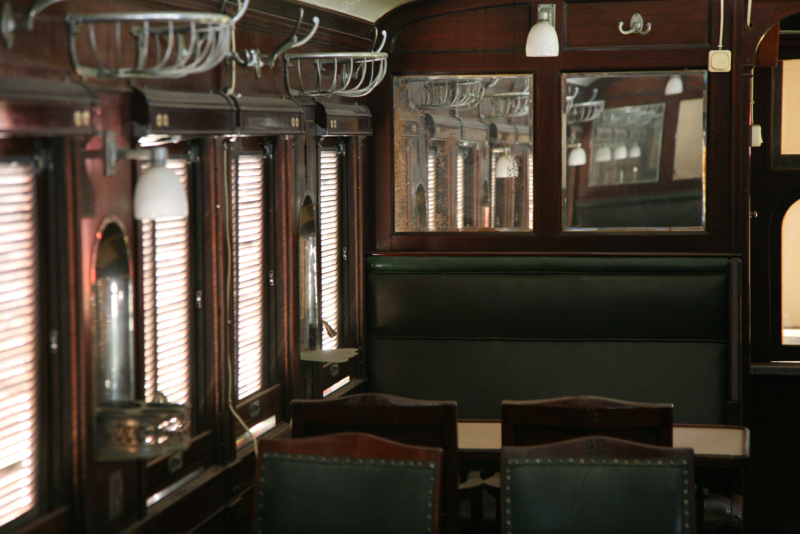
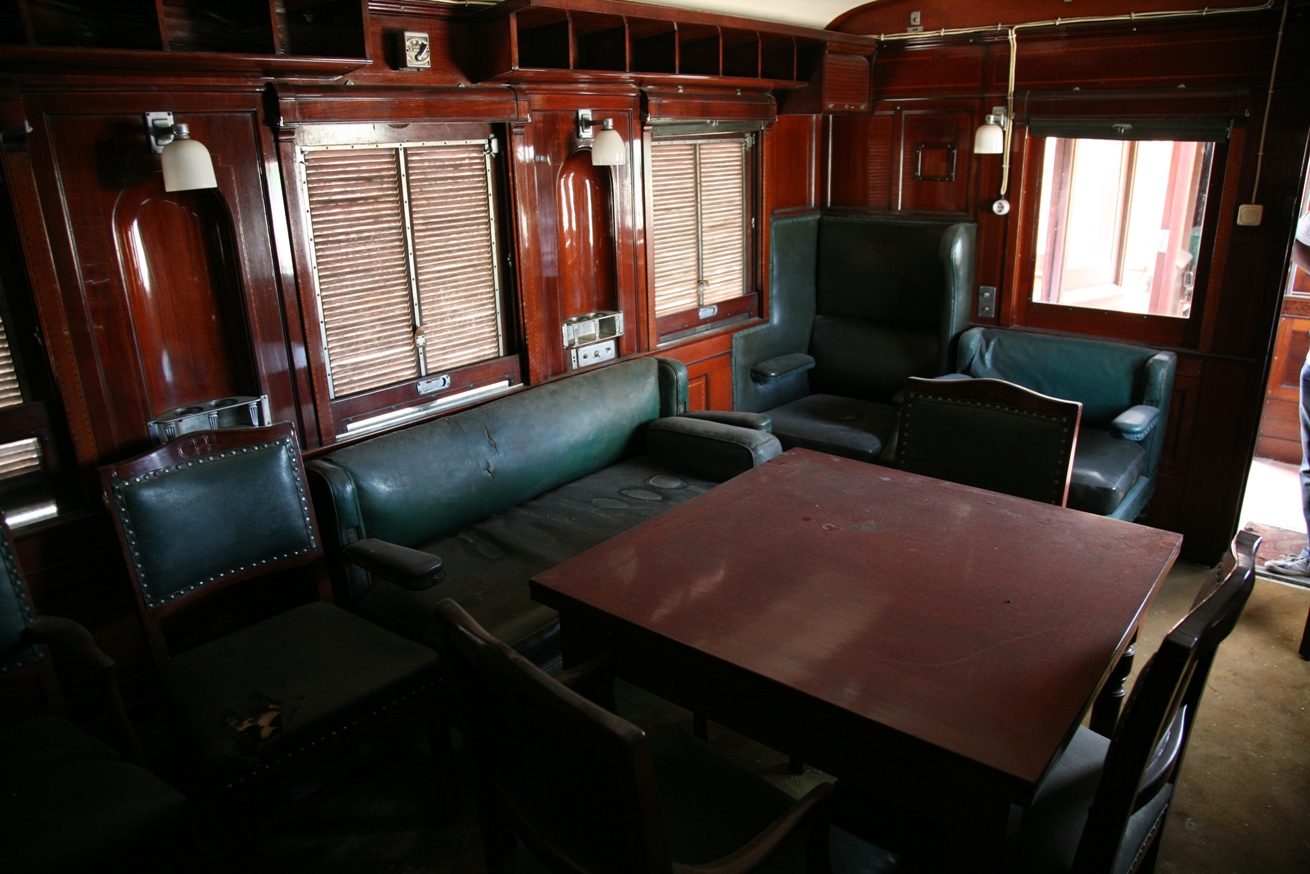
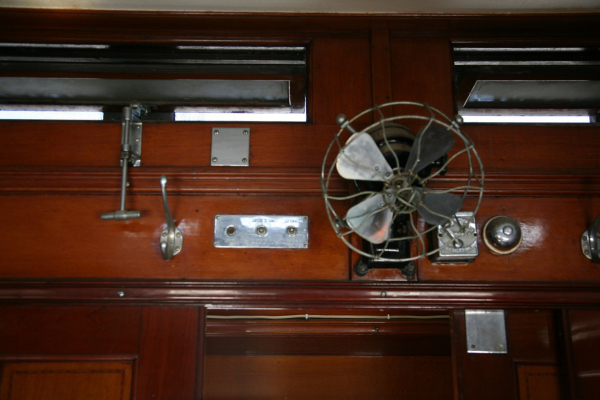
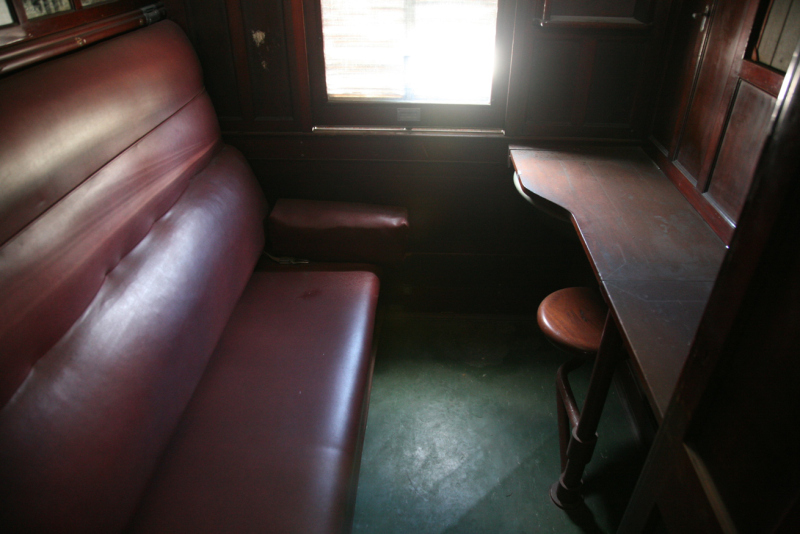
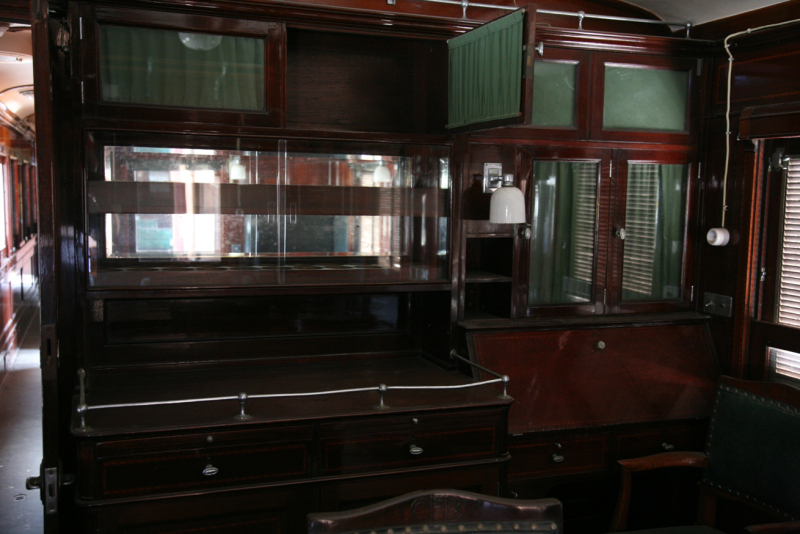
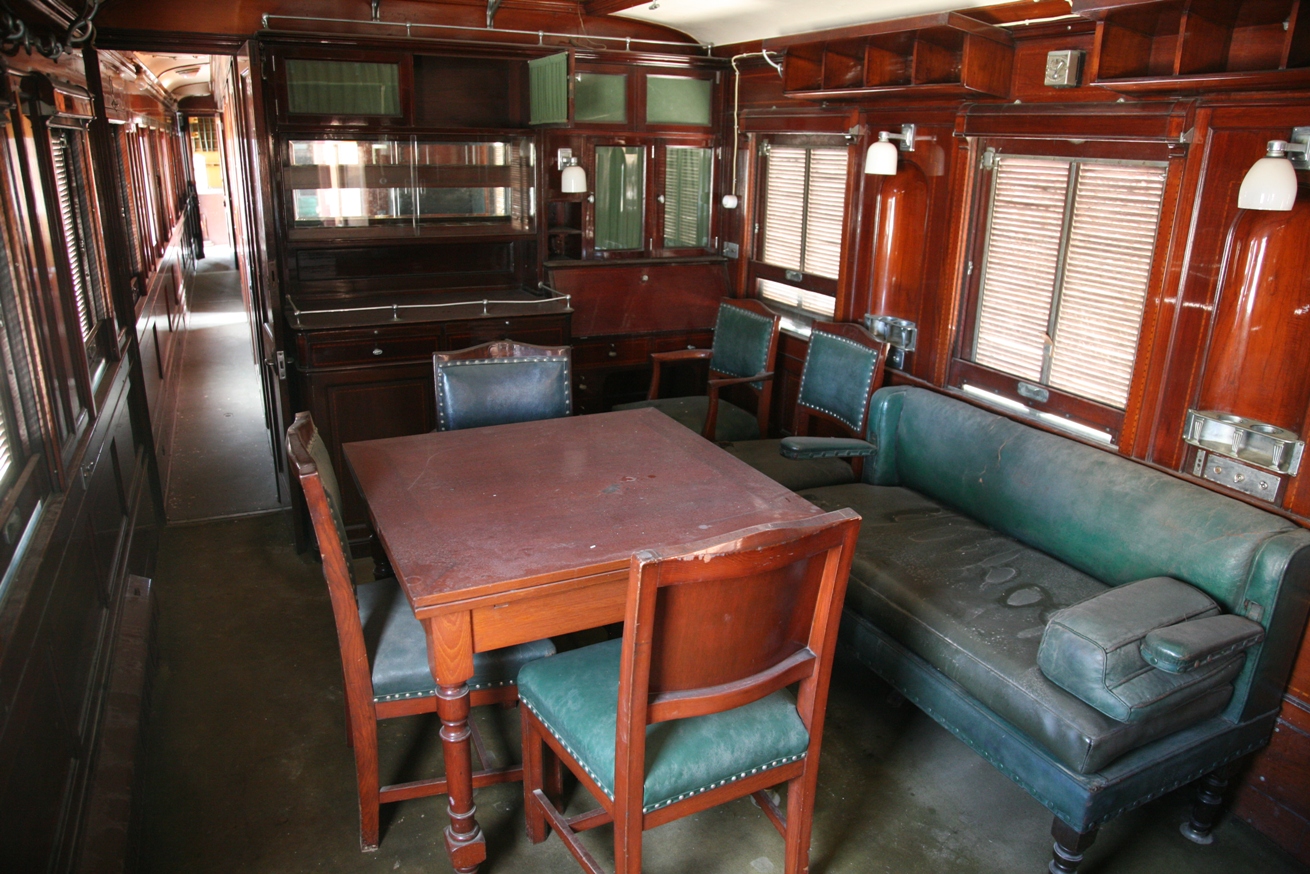
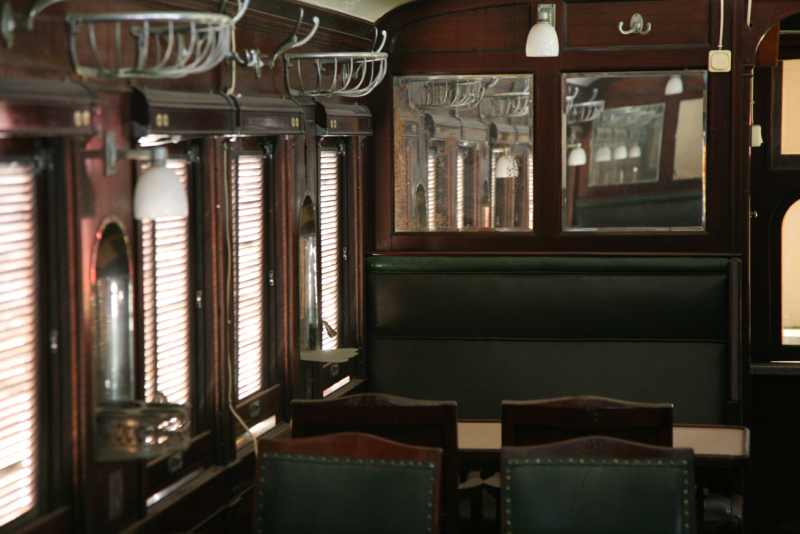
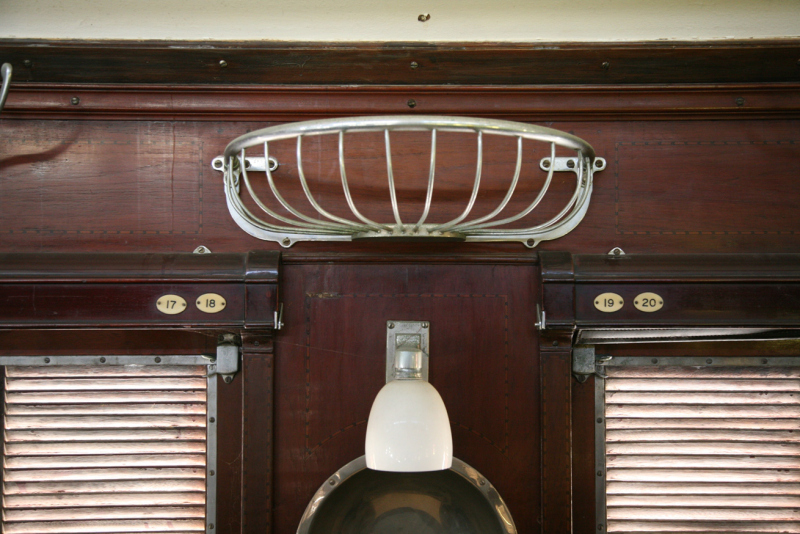
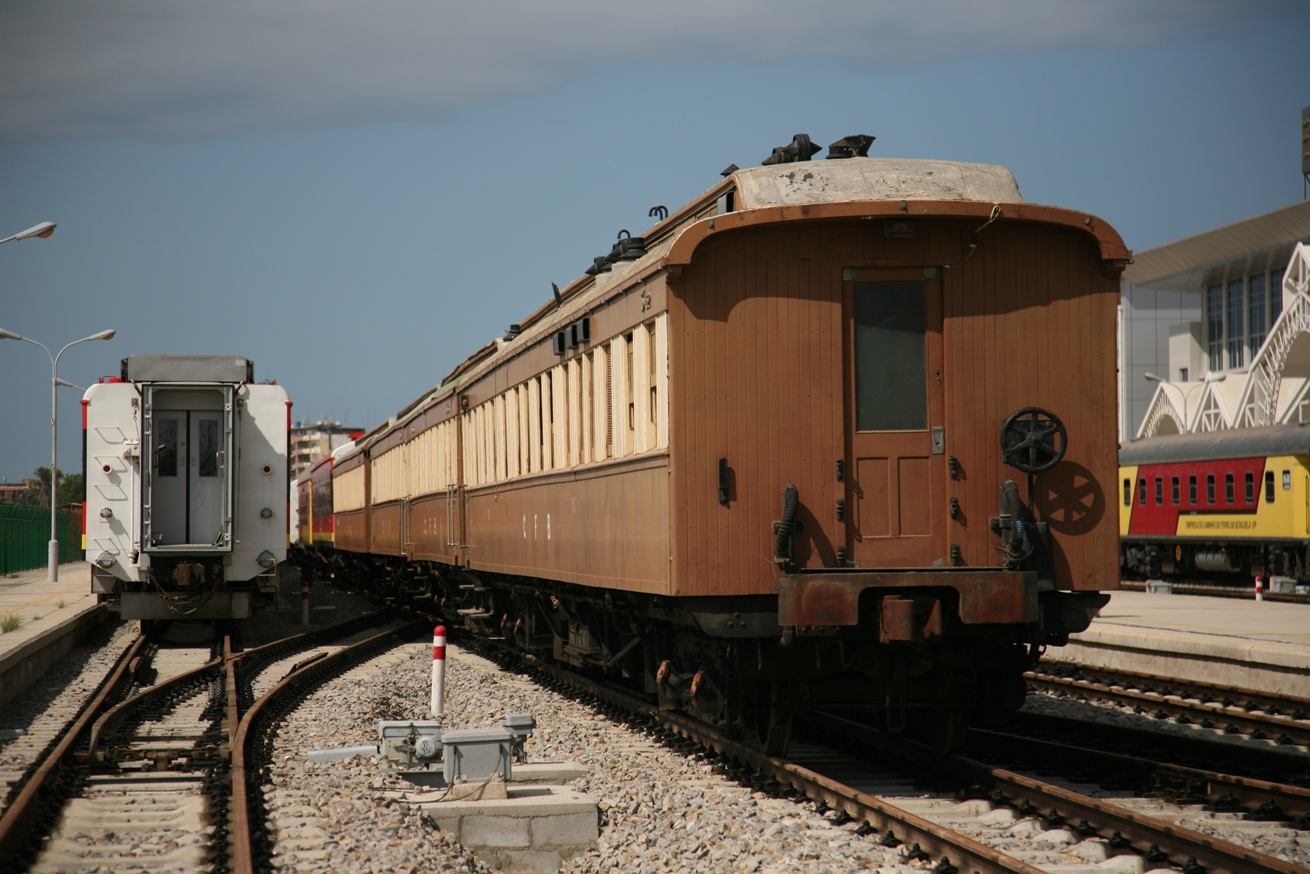
While the Rovos Rail travels across Africa using beautifully restored coaches from the 1960s, offering one of the world's most prestigious luxury rail experiences, the Benguela Railway still owns historic coaches dating back to 1927.<br>

Coaches that are far older.<br>

Coaches that are part of Angola's own history.<br>

Coaches that could have become one of Benguela Province's greatest tourism icons.<br>

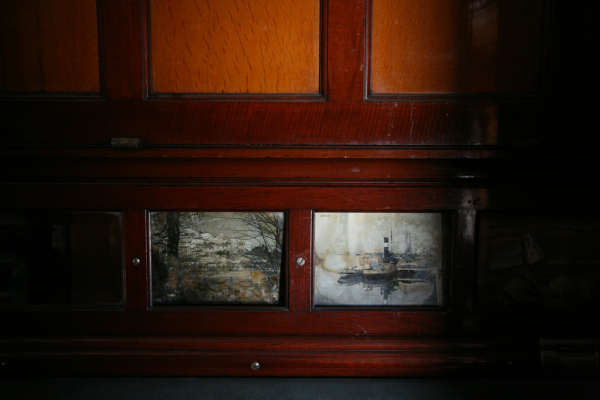
Instead, they remain abandoned, hidden away and slowly deteriorating.<br>

When these coaches were withdrawn from service, the Benguela Railway itself announced that they would be sent to South Africa for restoration.<br>

Time passed.<br>

Decades passed.<br>

Yet what could today be a living railway museum, an internationally recognised heritage train or one of Angola's flagship tourism products has simply been forgotten.<br><br>

<img src="https://www.hoteisangola.com/media/images/roteiros/cfb/cfb_021.jpg" alt="" style="width: 33%;">
<img src="https://www.hoteisangola.com/media/images/roteiros/cfb/cfb_011.jpg" alt="" style="width: 33%;">
<img src="https://www.hoteisangola.com/media/images/roteiros/cfb/cfb_015.jpg" alt="" style="width: 33%;">
<br><br>

<h3><strong>When Heritage Is Abandoned, Tourism Is Lost</strong></h3>

With this neglect, Benguela has also lost.<br>

It has lost part of its appeal to international cruise operators.<br>

It has lost visitors.<br>

It has lost economic opportunities.<br>

It has lost a unique competitive advantage that no marketing campaign can ever replace.<br>

Tourism is not built through advertising campaigns alone.<br>

Tourism is built by creating products.<br>

It is built by preserving what nobody else has.<br>

It is built by telling stories.<br>

Few stories are as significant to Angola as that of the Benguela Railway, an infrastructure that connected the Atlantic Ocean to the heart of Africa, boosted international trade and profoundly shaped the economic development of the region.<br><br>

<img src="https://www.hoteisangola.com/media/images/roteiros/cfb/cfb_022.jpg" alt="" style="width: 33%;">
<img src="https://www.hoteisangola.com/media/images/roteiros/cfb/cfb_018.jpg" alt="" style="width: 33%;">
<img src="https://www.hoteisangola.com/media/images/roteiros/cfb/cfb_017.jpg" alt="" style="width: 33%;">
<br><br>

<h3><strong>Tourism Means Transforming Heritage into Experiences</strong></h3>

Unfortunately, it often seems that we are doing everything possible to forget this history.<br>

Not because it has lost its importance.<br>

But because we still fail to fully understand what tourism really is.<br>

Tourism is not simply about building hotels.<br>

Tourism is not simply about organising events.<br>

Tourism is about transforming heritage into unforgettable experiences.<br>

It is about inspiring visitors to travel thousands of kilometres to experience something they cannot find anywhere else in the world.<br>

As we rightly celebrate the arrival of the Rovos Rail in Lobito, perhaps this is also the moment to reflect.<br>

How is it possible that we admire a foreign historic train while continuing to neglect an even older railway heritage that belongs to us?<br>

How is it possible that we value the history of others while ignoring our own?<br><br>

<img src="https://www.hoteisangola.com/media/images/roteiros/cfb/cfb_029.jpg" alt="" style="width: 33%;">
<img src="https://www.hoteisangola.com/media/images/roteiros/cfb/cfb_030.jpg" alt="" style="width: 33%;">
<img src="https://www.hoteisangola.com/media/images/roteiros/cfb/cfb_038.jpg" alt="" style="width: 33%;">
<br><br>

<h3><strong>Benguela Still Has Time</strong></h3>

Sadly, Benguela is once again losing an opportunity.<br>

And it is not only Benguela that loses.<br>

Angola loses.<br>

Every abandoned railway coach represents a missed tourism opportunity.<br>

Every passing year represents visitors who will never come.<br>

Every postponed decision moves us further away from turning the Benguela Railway into one of Africa's greatest railway tourism attractions.<br>

There is still time to change this course.<br>

But first, we must understand that preserving heritage is not an expense.<br>

It is an investment.<br>

It creates wealth, identity and distinction.<br>

Above all, it recognises that Angola's history should not remain hidden away in a railway yard when it could instead travel the world as one of the country's greatest ambassadors for tourism.<p><br></p>

<p class="p1" style="margin: 0px; text-align: left;">
<font face="Times New Roman, serif"><span style="font-size: 16px;"><strong>Opinion article by:</strong> Jorge Nunes</span></font>
</p>]]></summary>
		<author>
			<name>Jorge Nunes</name>
		</author>
		<link rel="enclosure" href="https://www.hoteisangola.com/media/images/articles15/cfb_017_thumb.jpg" length="17819" type="image/jpeg" />
	</entry>
	<entry>
		<title><![CDATA[Evolution of International Arrivals of]]></title>
		<link type="text/html" href="https://www.hoteisangola.com/en/destaques/artigos-opiniao/evolucao-das-chegadas-internacionais.html" />
		<id>urn:uuid:591f0aec-8e97-308c-b11a-aebc90e134e8</id>
		<updated>2026-07-16T11:21:00+00:00</updated>
		<summary type="html"><![CDATA[<img style="margin:5px; float:left;" src="https://www.hoteisangola.com/media/images/articles15/Evolucao-das-chegadas-internacionais-de-turistias-em-Angola-01_thumb.jpg" alt="Artigos de opinião" /> <p>Between the announced growth, the reality of entries into the country and the structural challenges of Angolan tourism</p><h2><strong>Evolution of International "Tourist" Arrivals in Angola (2010-2025)</strong></h2>

Tourism in Angola has undergone profound changes over the past 15 years. After a period of strong growth driven mainly by business tourism, the country experienced a sharp decline due to the economic crisis, followed by the impact of the Covid-19 pandemic. Angola is currently returning to a positive trajectory and, in 2025, was considered the African country with the highest growth in international tourist arrivals, although the figures remain far below those recorded in 2013.<p><br></p><br>

<h3><strong>International tourist arrivals</strong></h3><br>
<table border="1" cellspacing="0" cellpadding="6" style="text-align: center;">
    <thead>
        <tr>
            <th style="width:33.33%;">Year</th>
            <th style="width: 33.33%; text-align: center;">International Arrivals</th>

            <th style="width:33.33%;">Change</th>
        </tr>
    </thead>
    <tbody>
        <tr>
            <td>2010</td>
            <td style="text-align: center;">425 000</td>
            <td style="text-align: center;">-</td>
        </tr>
        <tr>
            <td>2011</td>
            <td style="text-align: center;">481 000</td>
            <td style="text-align: center;">+13.2%</td>
        </tr>
        <tr>
            <td>2012</td>
            <td style="text-align: center;">528 000</td>
            <td style="text-align: center;">+9.8%</td>
        </tr>
        <tr>
            <td>2013</td>
            <td style="text-align: center;">650 000</td>
            <td style="text-align: center;">+23.1%</td>
        </tr>
        <tr>
            <td>2014</td>
            <td style="text-align: center;">595 000</td>
            <td style="text-align: center;">-8.5%</td>
        </tr>
        <tr>
            <td>2015</td>
            <td style="text-align: center;">592 000</td>
            <td style="text-align: center;">-0.5%</td>
        </tr>
        <tr>
            <td>2016</td>
            <td style="text-align: center;">397 000</td>
            <td style="text-align: center;">-32.9%</td>
        </tr>
        <tr>
            <td>2017</td>
            <td style="text-align: center;">261 000</td>
            <td style="text-align: center;">-34.3%</td>
        </tr>
        <tr>
            <td>2018</td>
            <td style="text-align: center;">218 000</td>
            <td style="text-align: center;">-16.5%</td>
        </tr>
        <tr>
            <td>2019</td>
            <td style="text-align: center;">218 000</td>
            <td style="text-align: center;">0.0%</td>
        </tr>
        <tr>
            <td>2020</td>
            <td style="text-align: center;">Covid-19 Pandemic</td>
            <td style="text-align: center;">-</td>
        </tr>
        <tr>
            <td>2021</td>
            <td style="text-align: center;">Gradual recovery</td>
            <td style="text-align: center;">-</td>
        </tr>
        <tr>
            <td>2022</td>
            <td style="text-align: center;">+- 140 000</td>
            <td style="text-align: center;">-</td>
        </tr>
        <tr>
            <td>2023</td>
            <td style="text-align: center;">
                <meta charset="utf-8">+-&nbsp;206 000</td>
            <td style="text-align: center;">+47%</td>
        </tr>
        <tr>
            <td>2024</td>
            <td style="text-align: center;">
                <meta charset="utf-8">+-&nbsp;171 500</td>
            <td style="text-align: center;">-16.7%</td>
        </tr>
        <tr>
            <td>2025</td>
            <td style="text-align: center;">223 000</td>
            <td style="text-align: center;">+30%</td>
        </tr>
    </tbody>
</table>
<p style="text-align: center;">

    <br>

</p>
<h3 style="text-align: left;"><br></h3>
<code class="elx5_plugin"></code>
<h3><strong>Angola's tourism figures: growth or simply more arrivals?</strong></h3>

At a time when there is considerable discussion about the growth of tourism in Angola, it is important to analyse the figures carefully and, above all, understand what they truly represent.<br>

According to the Ministry of Tourism, Angola recorded approximately 223,000 international arrivals in 2025, representing growth of around 30% compared with the previous year. At first glance, this appears to be a positive indicator. However, when compared with the approximately 650,000 arrivals recorded in 2013, it becomes clear that the country remains far from the best results it has ever achieved.<br><br>

<h3><strong>Are we truly measuring tourists or simply entries into the country?</strong></h3>

Over the years, Angola has significantly changed its visa system, introducing new categories such as the border visa, which make it more difficult to distinguish between people entering for tourism purposes and those entering for business, employment, diplomatic or other reasons.<br>

In practice, the statistics combine different visitor profiles, making it difficult to assess the true performance of tourism as an economic sector.<br>

It would therefore be extremely important for the Migration and Foreigners Service (SME)&nbsp;to provide detailed statistics by border crossing, nationality, purpose of entry and length of stay.<br>

This information would provide a better understanding of international visitor flows and help identify which regions genuinely benefit from these movements.<br><br>

<h3><strong>Santa Clara and the importance of land borders</strong></h3>

One clear example is the Santa Clara border crossing, which has become an important gateway for visitors arriving from Namibia and other countries in Southern Africa.<br>

The high volume of vehicles observed throughout the year demonstrates that there is a significant flow of visitors travelling to Huíla and Namibe, as well as to Benguela and other regions of the country.<br>

Hundreds of vehicles cross this border every month, carrying people who travel through southern Angola and make use of accommodation establishments, restaurants, fuel stations, commercial facilities and a range of tourism services.<br>

However, without detailed official data on border entries and the routes taken by these visitors, it remains impossible to accurately measure the economic impact of this flow.<br><br>
<code class="elx5_plugin"></code>
<h3><strong>The 2025 arrivals must be analysed in context</strong></h3>

It is also important to consider the 2025 figures within the context in which they were recorded.<br>

The year was marked by numerous international meetings, economic forums, diplomatic missions, conferences and several initiatives associated with the celebrations of the 50th anniversary of Angola's Independence.<br>

A significant proportion of these arrivals may therefore have consisted of participants in these events, members of official missions, diplomatic representatives, businesspeople, consultants and institutional guests, rather than necessarily leisure tourists.<br>

This is not intended to diminish the importance of these arrivals. On the contrary, they generate economic activity and are important to the country.<br>

However, it is essential to distinguish between visitors on official missions, business travellers, conference participants, temporary workers and tourists in the true sense of the word.<br>

Without this distinction, it becomes difficult to assess the real performance of public policies aimed at developing tourism.<br><br>

<h3><strong>The role of the National Statistics Institute</strong></h3>

Another aspect that deserves consideration is the role of the National Statistics Institute (INE).<br>

Traditionally, this institution would be expected to play a more active role in collecting, validating and publishing statistics for the sector, acting as an independent source of analysis.<br>

At present, the communication of these figures has been led by the Ministry of Tourism, which reinforces the need to cross-reference information from the Ministry of Tourism, the SME and the INE itself.<br>

This cross-referencing would help ensure greater transparency, consistency and credibility in the published data.<br>

The Ministry of Tourism naturally has an interest in demonstrating the results of the policies it implements. It is precisely for this reason that independent validation of the figures by the INE would be important in ensuring a more balanced assessment of the sector’s development.<br><br>
<code class="elx5_plugin"></code>
<h3><strong>Airlines are leaving the Angolan market</strong></h3>

Another indicator also deserves consideration.<br>

Since the beginning of 2026, we have witnessed reductions in operations, the suspension of routes and the departure of airlines from the Angolan market.<br>

The reasons frequently given include rising operating costs, fuel prices and difficulties in repatriating capital.<br>

All these factors are relevant and can directly affect the sustainability of an airline operation.<br>

However, there is an economic reality that cannot be ignored: an airline is unlikely to leave a market where there is sufficient demand to make its routes profitable.<br>

The lack of passengers and insufficient demand must also be considered when trying to understand why certain airlines reduce or discontinue their operations in Angola.<br>

If international tourism were genuinely growing in a solid and consistent manner, one would expect to see increased flight frequencies, the opening of new routes, the arrival of new airlines and greater competition among carriers.<br>

However, in several cases, precisely the opposite has been occurring.<br>

This apparent contradiction between the announced growth in international arrivals and the reduction in air connectivity deserves deeper analysis.<br><br>

<h3><strong>223,000 visitors for a capacity of 38,022&nbsp;beds</strong></h3>

There is another issue that must be considered in light of the country’s installed accommodation capacity.<br>

According to the available official data, Angola has approximately 38,022&nbsp;beds in its hotel establishments.<br>

Assuming, solely for the purposes of analysis, an average stay of four nights per visitor, the 223,000 international visitors would represent approximately 892,000 overnight stays throughout 2025.<br>

The maximum annual capacity of hotel establishments can be calculated by multiplying the 38,022&nbsp;beds by 365 days.<br>

<p><br></p><strong>The theoretical occupancy generated by international arrivals could therefore be calculated using the following formula:</strong><br>

223,000 overnight stays ÷ annual capacity of&nbsp;
<meta charset="utf-8">38,022 beds = 5.86 international visitors per bed&nbsp;<br>

<p><br></p>Even assuming that all 223,000 people stayed in hotel establishments, which we know does not reflect reality, international tourism would still account for only a small proportion of the total annual capacity available.<br>

Many of these visitors may have stayed in private residences, family homes, diplomatic facilities, company-owned accommodation or other places not classified as hotel establishments.<br>

Furthermore, a considerable proportion of the overnight stays is likely to have been concentrated in Luanda, leaving an even smaller share for the remaining provinces.<br><br>
<code class="elx5_plugin"></code>
<h3><strong>International tourism is not enough to sustain the national hotel industry</strong></h3>

This analysis leads to an important conclusion: international tourism remains insufficient to sustain Angola’s hotel industry.<br>

Most hotel establishments depend primarily on the domestic market, professional travel, companies, the oil sector, international organisations, public administration and the organisation of events.<br>

Foreign visitors remain an important component, but their numbers are still too low to ensure, on their own, the economic sustainability of the country’s installed hotel capacity.<br>

For this reason, any tourism development strategy in Angola must place domestic tourism at its core.<br>

It is not possible to build a sustainable tourism sector by relying exclusively on international arrivals, particularly when these figures remain far below those recorded in previous periods.<br><br>

<h3><strong>The potential revenue from the 5% accommodation levy</strong></h3>

There is another perspective that also deserves consideration.<br>

With the application of a 5% levy on stays by foreign visitors in hotel establishments, it is important to understand the financial scale these figures could represent.<br>

<p><br></p><strong>If, purely for illustrative purposes, we consider an average rate of 100,000 kwanzas per night and an average stay of four nights, the 223,000 visitors would represent:</strong><br>

223,000 visitors × 100,000 Kz × 4 nights = 89.2 billion kwanzas<br>

<p><br></p><strong>Applying a 5% levy to this amount would result in potential revenue of:</strong><br>

89.2 billion Kz × 5% = 4.46 billion kwanzas<br>

<p><br></p>Naturally, this is only a simulation.<br>

Average accommodation rates vary significantly, not all visitors stay for four nights and not everyone entering Angola stays in establishments subject to the levy.<br>

Nevertheless, this estimate provides an indication of the financial scale associated with the statistics currently being published.<br>

It also helps explain why it is so important to understand the true profile of visitors, the number of overnight stays and how they are distributed among hotel establishments.<br><br>
<code class="elx5_plugin"></code>
<h3><strong>Where are these visitors?</strong></h3>

However, one question remains unanswered: where are these visitors?<br>

If tourism were genuinely growing at the rate suggested by the statistics, one would expect to see clear evidence in hotel occupancy rates, an increase in bookings, stronger demand for tour operators and improved international air connections.<br>

One would also expect to see more tourists travelling throughout the provinces, greater demand for activities and experiences, growth among tourism activity companies and the opening of new accommodation establishments.<br>

However, many businesspeople operating in the sector report precisely the opposite.<br>

Outside Luanda, many establishments continue to record low occupancy levels, while several provinces are not experiencing consistent growth in tourism demand.<br>

In some destinations, operators have the impression that fewer tourists are currently travelling than in previous years.<br>

This does not necessarily mean that the published figures are incorrect.<br>

It does, however, mean that the number of entries into the country, when considered in isolation, is not sufficient to describe the reality of tourism in Angola.<br><br>

<h3><strong>Angola needs to measure tourism, not merely entries</strong></h3>

The intention is not to call into question the figures published by the official authorities.<br>

What is being argued is that the statistics must evolve to a level of detail that makes it possible to understand who enters Angola, why they enter, how long they stay, where they are accommodated, which provinces they visit and what economic impact is actually generated.<p><br></p>
<p><strong>Among other indicators, it would be necessary to know:</strong><br>

    • The number of entries at each border crossing;<br> • The nationality of visitors;<br> • The main purpose of the journey;<br> • The average length of stay;<br> • The number of foreign guests in hotel establishments;<br> • The actual number of overnight stays;<br> • The distribution of visitors by province;<br> • Hotel occupancy rates;<br> • The average amount spent per visitor.<br>

</p>
<p>Rather than simply counting entries, Angola needs to measure tourism.<br>

    Only with complete, transparent and properly segmented statistics will it be possible to assess the real development of the sector, identify its weaknesses and define public policies capable of responding to the needs of national tourism.<br>

    Growth in numbers is important, but growth in economic impact, hotel occupancy, job creation and regional development is what truly matters.</p>
<p class="p1" style="margin: 0px; text-align: left;">
    <font face="Times New Roman, serif"><span style="font-size: 16px;"><strong style=""><span style="font-size: 16px;">Opinion article by: </span></strong>Jorge Nunes</span></font>

</p>]]></summary>
		<author>
			<name>Jorge Nunes</name>
		</author>
		<link rel="enclosure" href="https://www.hoteisangola.com/media/images/articles15/Evolucao-das-chegadas-internacionais-de-turistias-em-Angola-01_thumb.jpg" length="17941" type="image/jpeg" />
	</entry>
	<entry>
		<title><![CDATA[5% rate how to apply?]]></title>
		<link type="text/html" href="https://www.hoteisangola.com/en/destaques/artigos-opiniao/taxa-como-aplicar.html" />
		<id>urn:uuid:ddb233fd-96d6-dfc0-8ee5-5bf4d778705f</id>
		<updated>2026-07-07T07:48:00+00:00</updated>
		<summary type="html"><![CDATA[<img style="margin:5px; float:left;" src="https://www.hoteisangola.com/media/images/articles14/ArtigodeOpiniao_thumb.jpg" alt="Artigos de opinião" /> <p>The 5% tax on foreigners' stays: another cost for tourism that still needs bases</p><p class="p1" style="margin: 0px; text-align: left;">
    <font face="Times New Roman, serif"><span style="font-size: 16px;"><strong style=""><span style="font-size: 16px;">Artigo de opinião por: </span></strong>Jorge Nunes</span></font>

</p>
<p><br></p><br>
<h2>A taxa de 5% sobre as estadias de estrangeiros: mais um custo sobre um turismo que ainda precisa de bases</h2>

Numa altura em que se aproxima a entrada em vigor da contribuição especial de 5% sobre as dormidas de turistas internacionais em Angola, torna-se importante olhar para esta medida com sentido crítico, mas também com responsabilidade prática.<br>

Após a leitura do diploma, e mantendo a posição que já defendemos anteriormente, continuamos a entender que esta medida pouco ou nada vem ajudar a construir turismo em Angola. O país não precisa, neste momento, de encarecer o seu produto turístico. Precisa, antes de mais, de o solidificar.<br>

Angola ainda não tem um turismo suficientemente estruturado, competitivo e organizado. Em praticamente todas as províncias, a atividade turística está aquém do seu potencial. Muitos empresários continuam a olhar para as suas unidades hoteleiras e a perceber que não é o turismo, por si só, que garante a sustentabilidade dos seus negócios.<br>

Grande parte da ocupação hoteleira continua dependente de deslocações profissionais, institucionais, comerciais ou pontuais, e não de um fluxo turístico consolidado. Neste contexto, criar uma nova cobrança sobre o cliente estrangeiro pode tornar o destino menos competitivo e mais difícil de explicar.<br><br>
<p><code class="elx5_plugin"></code><br>
</p><h3>Uma medida que complica a operação hoteleira</h3>

Em vez de simplificar, transfere-se para as unidades hoteleiras uma nova responsabilidade operacional: adaptar softwares, rever procedimentos, formar equipas, alterar documentos de cobrança e explicar ao cliente uma taxa que, em muitos casos, ele não estava à espera de pagar.<br>

<strong>Seria legítimo perguntar:</strong> não teria sido mais simples, mais transparente e mais fácil de gerir cobrar uma taxa diretamente no visto ou no processo de entrada no país? Dessa forma, o valor seria centralizado, previsível e menos penalizador para a relação entre hotel e cliente.<br>

Ainda assim, estando a medida prevista, importa que as unidades hoteleiras se preparem.<br><br>

<h3>A importância de separar alojamento dos restantes serviços</h3>

Pelo que entendemos da leitura do diploma, a contribuição incide sobre o valor da dormida ou diária de alojamento, e não sobre todos os serviços associados à estadia. Esta distinção é muito importante.<br>

Muitas unidades trabalham com preços que incluem pequeno-almoço, meia pensão ou pensão completa. No entanto, se a taxa incide sobre a dormida, então o hotel deve ter claramente identificado o valor correspondente ao alojamento, separando-o dos restantes serviços, como refeições, lavandaria, transfers, experiências, consumos ou outros extras.<br>

<strong>Assim, a nossa recomendação é simples: </strong>cada unidade hoteleira deve rever as suas tabelas de preços e definir, de forma clara, quanto custa apenas o alojamento em cada tipologia de quarto. Depois, os serviços complementares devem ser faturados de forma separada ou devidamente discriminada.<br>

Por exemplo, se uma diária vendida ao cliente inclui quarto e pequeno-almoço, a unidade deve conseguir identificar internamente qual é o valor do alojamento e qual é o valor do pequeno-almoço. A contribuição de 5% deverá, na nossa interpretação, recair apenas sobre a componente de alojamento.<br>

Naturalmente, esta é uma interpretação operacional e não substitui uma orientação oficial das entidades competentes. Outras leituras poderão existir, e seria importante que o setor recebesse esclarecimentos formais sobre esta matéria.<br>

Mas, até prova ou orientação em contrário, parece-nos a forma mais equilibrada de aplicar a lei sem agravar desnecessariamente o custo final para o visitante internacional.<br><br>
<p><code class="elx5_plugin"></code><br>
</p><h3>Aplicação até sete noites por estadia</h3>

Também importa recordar que a contribuição se aplica apenas até ao limite de sete noites por estadia. Ou seja, da primeira à sétima noite, o turista internacional estará sujeito à cobrança. A partir da oitava noite, essa contribuição já não deverá ser aplicada à mesma estadia.<br>

Por isso, os hotéis devem preparar os seus sistemas para distinguir três elementos essenciais:<br>

<ul>
    <li style="margin-left: 50px;">se o cliente é ou não turista internacional;</li>
    <p style="margin-left: 50px;">
        </p>
    <li style="margin-left: 50px;">qual é o valor real do alojamento;</li>
    <p style="margin-left: 50px;">
        </p>
    <li style="margin-left: 50px;">quantas noites da estadia estão sujeitas à contribuição.</li>
</ul>
<p><code class="elx5_plugin"></code><br>
</p>
<h3>Recomendações às unidades hoteleiras</h3>

A nossa recomendação às unidades hoteleiras é que contactem desde já os seus fornecedores de software, contabilistas e equipas administrativas, de forma a criarem procedimentos claros. Não se deve deixar esta adaptação para o último momento.<br>

É fundamental que a receção saiba explicar a taxa ao cliente. É fundamental que a faturação esteja correta. É fundamental que o hotel consiga separar alojamento de outros serviços. E é fundamental que a equipa comercial tenha atenção aos preços comunicados a operadores, empresas, plataformas online e clientes diretos.<br>

Esta medida, goste-se ou não, vai criar impacto no setor. Mas esse impacto pode ser maior ou menor consoante a forma como cada unidade se preparar.<br><br>

<h3>Antes de cobrar mais, Angola precisa de estruturar melhor o turismo</h3>

Continuamos a defender que Angola deveria estar, nesta fase, mais preocupada em tornar o turismo competitivo, acessível, organizado e atrativo. Antes de cobrar mais ao turista, deveríamos garantir melhores condições de acesso, informação, sinalização, promoção, transportes, serviços, formação e estruturação do produto turístico nacional.<br>

Não se constrói turismo apenas criando taxas. Constrói-se turismo criando confiança, facilidade, organização e valor.<br>

Ainda assim, estando a medida em marcha, cabe agora ao setor preparar-se tecnicamente, proteger a relação com o cliente e aplicar a contribuição da forma mais justa, clara e equilibrada possível.<br><br>

<strong>Nota:</strong> Este texto representa uma interpretação operacional da medida e não substitui parecer fiscal, jurídico ou orientação oficial das entidades competentes.<br>


Atenciosamente<br>
Jorge Nunes<br>
www.hoteisangola.com<p><br></p>]]></summary>
		<author>
			<name>Jorge Nunes</name>
		</author>
		<link rel="enclosure" href="https://www.hoteisangola.com/media/images/articles14/ArtigodeOpiniao_thumb.jpg" length="13441" type="image/jpeg" />
	</entry>
	<entry>
		<title><![CDATA[The land that does not present itself]]></title>
		<link type="text/html" href="https://www.hoteisangola.com/en/destaques/artigos-opiniao/terra-que-nao-apresenta.html" />
		<id>urn:uuid:027c6e1e-b1e2-9d4e-4de0-4f6b636552f8</id>
		<updated>2026-04-30T11:28:00+00:00</updated>
		<summary type="html"><![CDATA[<img style="margin:5px; float:left;" src="https://www.hoteisangola.com/media/images/articles15/A-terra-que-no-se-apresenta002_thumb.jpg" alt="Artigos de opinião" /> <p>Angola is a country that often seems to have been designed to surprise. There are places where nature speaks loudly, where the earth opens up in beauty, where history was engraved in stones, in mountains, in silence and in memory. But there is also a downside</p>In southern Angola, this reality is even more visible. Huíla, Namibe and Cunene hold landscapes capable of leaving a mark on any traveler. There are imposing mountain ranges, deserts, ancient engravings, natural viewpoints, dirt roads, communities with living culture and a beauty that does not need exaggeration to impress. The problem is that the tourist arrives and finds the place almost silent.<br>

A sign is missing, a caption is missing, a clear indication of the path is missing. A small panel explaining what is being seen is missing. A map is missing, a safety warning is missing, a minimum structure is missing that tells the tourist: “You are facing something important.”<br>
<p></p>
 Tourism without interpretation is tourism halfway, because seeing is not the same as understanding. A tourist site should not be just a backdrop for photographs. It should be an experience of knowledge. Visitors need to know where they are, what that place represents, what precautions they should take, what history exists there, what cultural or natural value stands before their eyes.<br>

Angola does not suffer from a lack of beauty; it suffers from a lack of organization and continuity. We have destinations with potential, but without minimum services. We have heritage, but without a visible tourism policy on the ground.<br>

A lost tourist is not just someone without direction. It is a lost opportunity. An opportunity to generate income for local communities, to value guides, to encourage small businesses, to create jobs, to increase visitor stay and to transform natural beauty into an organized economy.<br>

A tourist sign may seem like a small thing. But it is not. A sign informs, guides, educates, protects, adds value. It says that place matters. It says that someone thought about it. It says there is public responsibility and respect for collective memory.<br>

The same applies to digital maps, QR codes with tourist information, provincial itineraries, support points, restrooms, marked parking, safety warnings and the training of local guides. Tourism is not made only with landscapes. It is made with systems.<br>

 Southern Angola does not need to be invented. It needs to be presented. Its beauty already exists. What is missing is transforming it into an organized, accessible and memorable experience. What is missing is creating conditions so that national and foreign tourists do not depend only on “word of mouth,” “follow that road,” or “ask ahead.” A serious destination cannot live on improvisation alone.<br>

There are countries with less natural beauty than Angola, such as the neighboring country Namibia, that manage to attract more visitors because they have learned to tell their story better. They organized routes, signposted locations, created itineraries, trained guides, produced maps, protected sites, fauna, flora and gave dignity to the tourism experience.<br>

We do the opposite: we have enormous unorganized potential.<br>

And perhaps that is the greatest pain. It is not just the lack of signs. It is the feeling that we have not yet learned to look at our own heritage with the value it deserves. As if beauty were there to be discovered by chance, and not to be cared for with intention.<br>

The tourist who travels along our roads ends up becoming an amateur archaeologist. They search for paths, ask for names, try to discover stories, interpret incomplete signs and dig where they should find guidance.<br>

 Identifying a tourist site is more than placing a sign on the road. It is recognizing value, creating belonging, educating citizens, attracting investment, protecting heritage and telling the world: this place is part of us.<br>

Angola has landscapes that deserve to be seen. But above all, it has stories that deserve to be told. And as long as our destinations continue without visible names, without explanation, without protection and without guidance, we will continue to be a beautiful land that, before the visitor, has not yet learned how to present itself.<br>

By Dorix A. Raimundo<p><br></p>

<strong style="font-size: 14px;">Author:</strong><br>Dorix Raimundo<br>

<ul> </ul>
<hr>]]></summary>
		<author>
			<name>Jorge Nunes</name>
		</author>
		<link rel="enclosure" href="https://www.hoteisangola.com/media/images/articles15/A-terra-que-no-se-apresenta002_thumb.jpg" length="20007" type="image/jpeg" />
	</entry>
	<entry>
		<title><![CDATA[There are sectors with increased demand, but we remain disorganized.]]></title>
		<link type="text/html" href="https://www.hoteisangola.com/en/destaques/artigos-opiniao/segmentos-aumento-procura.html" />
		<id>urn:uuid:326c87aa-725b-46f1-718e-1421fd60c3fb</id>
		<updated>2026-04-20T16:52:00+00:00</updated>
		<summary type="html"><![CDATA[<img style="margin:5px; float:left;" src="https://www.hoteisangola.com/media/images/articles15/alfa_beach_thumb.jpg" alt="Artigos de opinião" /> <p>In Angola today, there is a reality that deserves serious analysis. In some sectors, there is a clear increase in tourist demand. The problem is that, in many cases, this demand arises in a disorganized, poorly structured way, and without generating any desired outcome</p><p>In Angola today, there is a reality that deserves to be analyzed seriously. In some segments, there is clearly a growing tourist demand. The problem is that, in many cases, this demand arises in a disorganized, poorly structured way and without generating the economic impact it could generate.<br> When talking about tourism, people often look only at hotels, resorts or traditional reserves. But there is a growing movement linked to overland tourism, camping and independent travelers who cross entire countries in vehicles prepared for long journeys.</p>
<h3><strong>Angola is already on the map of overlanders</strong></h3>
<p>Just look at the number of vehicles entering through our borders from Namibia, South Africa and other regional markets.<br> These are vehicles equipped with tents, motorhomes, mobile kitchens, autonomous energy and water systems, prepared to travel for weeks.<br> These travelers seek beaches, mountains, deserts, local culture and authentic experiences. They travel across several provinces, cover hundreds of kilometers and visit some of the most remarkable points in Angola.<br> In other words, the demand exists.</p>

<h3><strong>The problem is that this demand is not organized</strong></h3>
<p>Most of these travelers bring all the necessary logistics and, therefore, do not always use hotels or traditional accommodations.<br> In practice, there is tourist movement, circulation, occasional consumption, but there is a lack of structure to transform this presence into consistent economic impact.<br> And the problem worsens because Angola still lacks an organized network of campsites, caravan areas and properly prepared zones to receive this segment.</p>
<h3><strong>The result is improvisation</strong></h3>
<p>In the absence of adequate solutions, many visitors resort to wild camping, setting up on beaches, viewpoints or isolated areas, sometimes without control and without minimum conditions.<br> In other cases, they request informal permission from private spaces to park and stay overnight.<br> This creates constraints related to safety, hygiene, waste, spatial planning and local coexistence.</p>
<h3><strong>Good examples show the way</strong></h3>
<p>Despite this, Angola already has positive references.<br><strong>Restinga do Lobito:</strong>&nbsp;Alfa Beach Bar&nbsp;has become a national reference in supporting travelers and caravan tourism.<br> With public restrooms, showers, security and a privileged location by the sea, the space receives dozens of vehicles weekly that stop there to rest and enjoy the landscape.<br> This case shows something simple: when conditions exist, demand appears.<br><strong>Moçâmedes:</strong> Another important example emerges in Moçâmedes, where the new <a href="https://www.hoteisangola.com/destaques/noticias/renascimento-parque-campismo-namibe.html" target="_blank">city campsite</a> is in the final phase of construction.<br> It is a strategic infrastructure to attract regional visitors and strengthen the tourism positioning of Namibe province.</p>

<h3><strong>Digital also matters</strong></h3>
<p>Today, the overlander community uses specialized international applications to decide routes, stopping points, refueling, safety and camping areas.<br> These platforms influence thousands of travelers worldwide.<br> And Angola already appears on these routes.<br> This means that any well-organized, safe and functional space can quickly gain international visibility through travelers’ own reviews.<br> In other words, digital information is also tourism infrastructure.</p>
<h3><strong>It’s not just for foreigners</strong></h3>
<p>It is important to make it clear that campsites and organized areas should not be designed only for foreign visitors.<br> They should also serve young Angolans, families, school groups, nature lovers and national camping enthusiasts.<br> They can support holiday camps, youth tourism, outdoor events and new forms of domestic leisure.</p>
<h3><strong>What Angola needs to do</strong></h3>
<p>Angola needs to start identifying strategic areas for camping and caravan tourism along the main tourist and road corridors.<br> These spaces must ensure safety, water, restrooms, showers, waste collection, lighting and functional parking areas.<br> Whenever possible, they should also integrate small restaurants, local commerce, handicrafts and basic services.<br> In this way, part of the money from these travelers stays within the country and generates real opportunities for communities.</p>

<h3><strong>Turning movement into value</strong></h3>
<p>The demand exists. Travelers are entering, moving around and discovering Angola.<br> What is missing is transforming this spontaneous demand into organized, sustainable and economically useful value.<br> If we do not create structure, we will continue to see movement without real impact.<br> If we organize it well, Angola can open a new front of tourism growth, modern, intelligent and aligned with international trends.<br> Because, in this case, the challenge is not attracting demand.<br> The demand has already arrived. Now it is necessary to know how to receive it.</p>
<hr><strong style="font-size: 14px;">Author:</strong><br>Jorge Nunes<br>www.hoteisangola.com<br>933250105<br>
<ul></ul>
<hr>]]></summary>
		<author>
			<name>Jorge Nunes</name>
		</author>
		<link rel="enclosure" href="https://www.hoteisangola.com/media/images/articles15/alfa_beach_thumb.jpg" length="17230" type="image/jpeg" />
	</entry>
	<entry>
		<title><![CDATA[Is tourism in Angola stagnating, or is it just Hotelsangola that feels this way?]]></title>
		<link type="text/html" href="https://www.hoteisangola.com/en/destaques/artigos-opiniao/turismo-angola-estagnar-hoteisangola.html" />
		<id>urn:uuid:0a2498f2-6ee1-b1a1-ead1-5086a3f1a87a</id>
		<updated>2026-04-17T17:47:00+00:00</updated>
		<summary type="html"><![CDATA[<img style="margin:5px; float:left;" src="https://www.hoteisangola.com/media/images/articles15/image001_thumb.jpg" alt="Artigos de opinião" /> <p>Lately I've been closely following the data from the sector and the behavior within the Hoteisangola.com platform. And there's one thing I have to say clearly: there is no growth.</p><hr id="null">
<h2><strong>Tourism in Angola: let’s talk based on our reality</strong></h2>
<hr id="null">

<p><strong>Data from the first quarter of 2026 show a clear drop in domestic tourism demand and raise doubts about the sector’s real growth in Angola.</strong><br>

    In recent times, I have been closely monitoring sector data and the behavior within the Hoteisangola.com platform. And there is one thing I must say clearly: there is no growth.<br>

    When we compare the first quarter of 2026 with the same period in 2025, what we find is not progress. In many cases, we find exactly the opposite.<br>

    The number of bookings has not increased. The average value per booking has not increased. The number of people per booking has not increased. And the value per person, in several cases, has decreased.<br>

    And this tells us something very simple. Even in cases where the numbers seem the same, in practice we are losing. Because we are not even keeping up with inflation.</p>

<h3><strong>Domestic demand is declining</strong></h3>

<p>What this data shows is that fewer people are traveling within Angola.<br>

    And this is important to say, because for a long time domestic tourism was seen as the foundation of the sector. Today, what we see is lower demand, shorter stays, and less money spent per trip.<br>

    This does not happen by chance.<br>

    We are talking about less money circulating, reduced purchasing power, real difficulties for families and also for businesses. There is a set of economic constraints that end up directly affecting tourism.</p>

<p style="margin-left: 100px; text-align: center;"><strong>A very clear example of this reality is dates that have traditionally always had very high demand. We are talking about New Year’s, Carnival, or Easter. In previous years, many of these locations were fully booked weeks in advance. Now, what we see is completely different. There is still availability on the eve of these same periods and, in some cases, units do not even reach full occupancy.</strong></p>

<h3><strong>Between what is said and what actually happens</strong></h3>

<p>Today there is a very positive narrative about tourism in Angola. But when we look at the real data, the picture is different.<br>

    If 2025 was already a weak year, 2026, if this trend continues, will be worse.<br>

    And here it is important to be clear: these are not opinions. These are real data, based on actual bookings.</p>

<h3><strong>We are increasing costs in a declining market</strong></h3>

<p>At the same time that demand is decreasing, what we see on the other side is increasing pressure on those operating on the ground.<br>

    There is talk of new fees, such as the 5% tax for international visitors. Licensing costs have increased significantly. For many travel agencies and small hotel units, costs have become unsustainable.<br>

    And then there is an even bigger problem. We are applying all of this equally to everyone.<br>

    A unit in central Luanda is completely different from a unit in an area without running water, without electricity, where everything operates on generators and water trucks.<br>

    But they are treated exactly the same.</p>

<h3><strong>Lack of balance in the sector</strong></h3>

<p>While hotels and agencies face more costs and stricter requirements, there are other areas of the sector that remain largely uncontrolled.<br>

    This creates a huge imbalance.<br>

    Those who want to operate in a structured way face increasing difficulty. Those outside the system continue to operate with less pressure.</p>

<h3><strong>The sector is not growing, it is retreating</strong></h3>

<p>Tourism is a strategic sector for Angola. Everyone knows that.<br>

    But there is no point in continuing to say that we are growing when the data shows otherwise.<br>

    At this moment, the sector is not keeping up with the country’s development, it is not keeping up with inflation, and in some indicators, it is clearly in decline.</p>

<h3><strong>We need to look at this seriously</strong></h3>

<p>If we want to develop tourism sustainably, we must start by looking at reality.<br>

    We cannot continue increasing costs in a market that is losing demand.<br>

    We cannot apply the same rules to completely different realities.<br>

    And we cannot continue building a narrative that does not reflect what is actually happening on the ground.<br>

    Because at the end of the day, the market always responds to reality. And right now, the reality is simple: less demand, less money, and less growth.</p>
<p><br>

</p>
<hr>

<strong style="font-size: 14px;">Author:</strong><br>Jorge Nunes<br>www.hoteisangola.com<br>933250105<br>
<ul>
</ul>

<hr>]]></summary>
		<author>
			<name>Jorge Nunes</name>
		</author>
		<link rel="enclosure" href="https://www.hoteisangola.com/media/images/articles15/image001_thumb.jpg" length="20644" type="image/jpeg" />
	</entry>
	<entry>
		<title><![CDATA[Tourism Trends in Angola]]></title>
		<link type="text/html" href="https://www.hoteisangola.com/en/destaques/artigos-opiniao/tendencias-turismo-angola.html" />
		<id>urn:uuid:13d6fd1f-e788-c991-20cf-212030a4b8c4</id>
		<updated>2026-04-04T10:28:00+00:00</updated>
		<summary type="html"><![CDATA[<img style="margin:5px; float:left;" src="https://www.hoteisangola.com/media/images/articles15/Tendencias-do-Turismo-em-ANgola-02_thumb.jpg" alt="Artigos de opinião" /> <p>Recently, I have been closely following research trends in the tourism sector in Angola. And the truth is that the data shows us something very interesting: domestic tourism is not standing still, it is transforming.  If we look</p><p>In recent times, I have been closely following the search trends within the tourism sector in Angola. The truth is that the data shows us something very interesting: domestic tourism is not stagnant, it is transforming.<br>
    If we look at the most searched destinations outside Luanda, we can see a clear consistency. Places such as Cabo Ledo, Lobito and Benguela continue to be at the top of preferences, especially when it comes to short getaways or weekend trips. This shows that the domestic tourist remains active, but with a different behavior compared to what we saw a few years ago.<br>
    Today, the focus is on quick, affordable and easy-to-organize trips.</p>


<h3><strong>The search for simplicity and autonomy</strong></h3>

<p>Another relevant point relates to the type of searches users are making. More and more, terms such as “2 or 3 day itinerary in Angola” or “what to do in Luanda” are appearing.<br>
    This shows that tourists are looking for practical, direct and easy-to-execute solutions.<br>
    There is also an important shift: many people want to organize their experiences independently. However, there is a growing awareness that, in certain contexts, using local guides can significantly enhance the experience.<br>
    The problem is that there is still difficulty in identifying these guides and their services.</p>

<h3><strong>Price pressure and the new accommodation profile</strong></h3>

<p>At the accommodation level, the trend is also clear: there is a growing demand for more affordable options.<br>
    Luanda, Benguela and Huíla show clear signs of increased searches for cheaper hotels or those offering better value for money.<br>
    But this is not just about low prices.<br>
    What customers are looking for today is balance between cost, comfort and experience. Luxury is no longer the priority, giving way to perceived value.</p>


<h3><strong>The growth of local experiences</strong></h3>

<p>Perhaps the most significant change lies in the way people consume tourism.<br>
    Since the post-Covid period, there has been a noticeable increase in the demand for local experiences. More and more residents, especially in Luanda, choose to stay within their city and engage in activities throughout the day.<br>
    They sleep at home but look for activities that provide different and meaningful moments.<br>
    When they do travel, it is often limited to one night away.<br>
    This pattern is also starting to replicate in other provinces, such as Benguela.</p>

<h3><strong>Cultural events and immersive experiences are gaining strength</strong></h3>

<p>Another clear trend is the change in the type of events people are seeking.<br>
    In the past, the focus was largely on more immediate entertainment events. Today, there is growing interest in cultural initiatives, immersive experiences, theatre and offerings with deeper content and identity.<br>
    Gastronomy is also gaining prominence, especially when it highlights local products and authentic experiences.</p>

<h3><strong>Less mobility, more opportunity</strong></h3>

<p>Although there is a reduction in internal mobility, influenced by factors such as costs, road conditions or family-related reasons, the demand for tourism has not disappeared.<br>
    It has simply changed form.<br>
    Today, domestic tourism is more concentrated, more local and more focused on specific experiences.<br>
    And this is precisely where the great opportunity lies.</p>


<h3><strong>The challenge for the sector</strong></h3>

<p>What these trends tell us is simple.<br>
    Tourists are looking for something different. Simpler. Closer. More authentic.<br>
    It is now up to tourism operators, platforms and sector agents to respond to this demand with structured products.<br>
    Providing information alone is not enough.<br>
    It is necessary to organize, create and offer complete experiences, with clear itineraries, defined activities, identifiable guides and transparent pricing.</p>

<h3><strong>Conclusion</strong></h3>

<p>Domestic tourism in Angola is not declining, it is evolving.<br>
    We are moving from a model based on travel to one based on experience.<br>
    And those who understand this shift, adapt to it and create practical and accessible solutions will not only keep up with the market, but will lead the future of tourism in the country.</p>

<hr>

<strong style="font-size: 14px;">Author:</strong><br>Jorge Nunes<br>www.hoteisangola.com<br>933250105<br>
<ul>
</ul>

<hr>]]></summary>
		<author>
			<name>Jorge Nunes</name>
		</author>
		<link rel="enclosure" href="https://www.hoteisangola.com/media/images/articles15/Tendencias-do-Turismo-em-ANgola-02_thumb.jpg" length="21238" type="image/jpeg" />
	</entry>
	<entry>
		<title><![CDATA[Tourism in Angola: why do you waste time in lectures?]]></title>
		<link type="text/html" href="https://www.hoteisangola.com/en/destaques/artigos-opiniao/turismo-angola-porque-perdes-tempo-palestras.html" />
		<id>urn:uuid:d15de5de-3c86-670a-f05a-9e17a9fdeffd</id>
		<updated>2026-03-29T15:24:00+00:00</updated>
		<summary type="html"><![CDATA[<img style="margin:5px; float:left;" src="https://www.hoteisangola.com/media/images/articles15/article2194_thumb.jpg" alt="Artigos de opinião" /> <p>Yesterday I was asked why I continue to invest time in lectures, workshops and training. The answer is simple, but not consensual:</p><p>Yesterday I was asked why I continue to invest time in lectures, workshops and training. The answer is simple, but not consensual: <strong>because I believe that tourism in Angola needs, above all, to be built from within.</strong></p>

	<p>Today there is a vision that we must communicate more and better abroad, promoting Angola as a destination and, thus, attracting the tourist profile we desire. <strong>I don't disagree with the importance of promotion</strong>. But, from my perspective, it cannot be the starting point.</p>

	<p>My vision is different: I believe that we will only be able to attract the right tourist and in a sustainable way, when we are internally organized.</p>

	<p>When we promote an image that does not yet fully correspond to the experience on the ground, we run a silent risk: <strong>that of creating expectations that are not met</strong>. And when that happens, we are not building tourism, we are just generating occasional visits, without continuity, without recommendations, without real impact.</p>
	
	<h2>Tourism is built on a foundation</h2>

	<p>Tourism is not built with campaigns. It is built on the basis.</p>

	<p>And this basis involves something essential: real engagement between all stakeholders.</p>

	<p>When I say everyone, I mean everyone. Not just tour operators, travel agencies, guides or hotels. I'm talking about municipal administrations, provincial governments, traditional authorities, but also health, security, relief and local communities. Tourism is transversal and only works when everyone understands their role within the system.</p>

	<h2>More than infrastructure, alignment</h2>

	<p>More than infrastructure, we need alignment. We need a common language about what tourism is, what we want to achieve and how to get there.</p>

	<p>Because the long term is built on well-made decisions in the short and medium term.</p>

	<h2>The visitor starts inside</h2>

	<p>Another point that we often ignore: the visitor is not just foreigners. The visitor is also the national, the resident, anyone who finds value in a destination.</p>

	<p>And, if we are unable to mobilize and enchant those inside, it will be difficult for us to support those from outside.</p>
	<p><code class="elx5_plugin"></code><br>
	</p><h2>Training as a structural investment</h2>

	<p>That's why I continue to dedicate time to these trainings. It's not a waste of time. It is structural investment.</p>

	<p>I deeply believe that tourism in Angola has extraordinary potential. But potential, in itself, is not a product. Only when we manage to transform this potential into consistent experiences, organized and shared by everyone, will we become a true tourist destination.</p>

	<h2>A vision for the future</h2>

	<p>My vision is not against anyone. It's just a different view.</p>

	<p><strong>A vision that argues that <strong>tourism is not imposed, it is built</strong>. And it is built from the inside out.</strong></p>


	<p></p>
	<hr>
	<p><strong>Sincerely<br>
	        Jorge Nunes<br>
	        www.hoteisangola.com</strong></p>
	<hr>]]></summary>
		<author>
			<name>Jorge Nunes</name>
		</author>
		<link rel="enclosure" href="https://www.hoteisangola.com/media/images/articles15/article2194_thumb.jpg" length="21947" type="image/jpeg" />
	</entry>
	<entry>
		<title><![CDATA[Tourism permits in Angola: a measure that could strangle the market]]></title>
		<link type="text/html" href="https://www.hoteisangola.com/en/destaques/artigos-opiniao/alvaras-turismo-angola.html" />
		<id>urn:uuid:3f54c27f-390a-a5ef-cd59-c07040ab8a10</id>
		<updated>2026-03-08T10:31:00+00:00</updated>
		<summary type="html"><![CDATA[<img style="margin:5px; float:left;" src="https://www.hoteisangola.com/media/images/articles14/ArtigodeOpiniao_thumb.jpg" alt="Artigos de opinião" /> <p>Recently, new legislation regarding permits for the tourism sector was approved in Angola, covering travel agencies, hotels and restaurant establishments.  At first glance, the measure appears to seek to organize the sector and create</p><p>Recently, new legislation related to licenses for the tourism sector was approved in Angola, covering travel agencies, hotel units, and restaurant establishments.</p>

<p>At first glance, the measure appears to aim at organizing the sector and creating a clearer licensing framework. However, when looking carefully at the values and the adopted model, an essential question arises:</p>
<p><br></p>

<blockquote style="margin-left: 60px; text-align: center;"><strong><em>are we structuring the sector or are we making its growth more difficult?</em></strong></blockquote>

<p><br></p>
<h2><strong>An expensive license in a market still under construction</strong></h2>

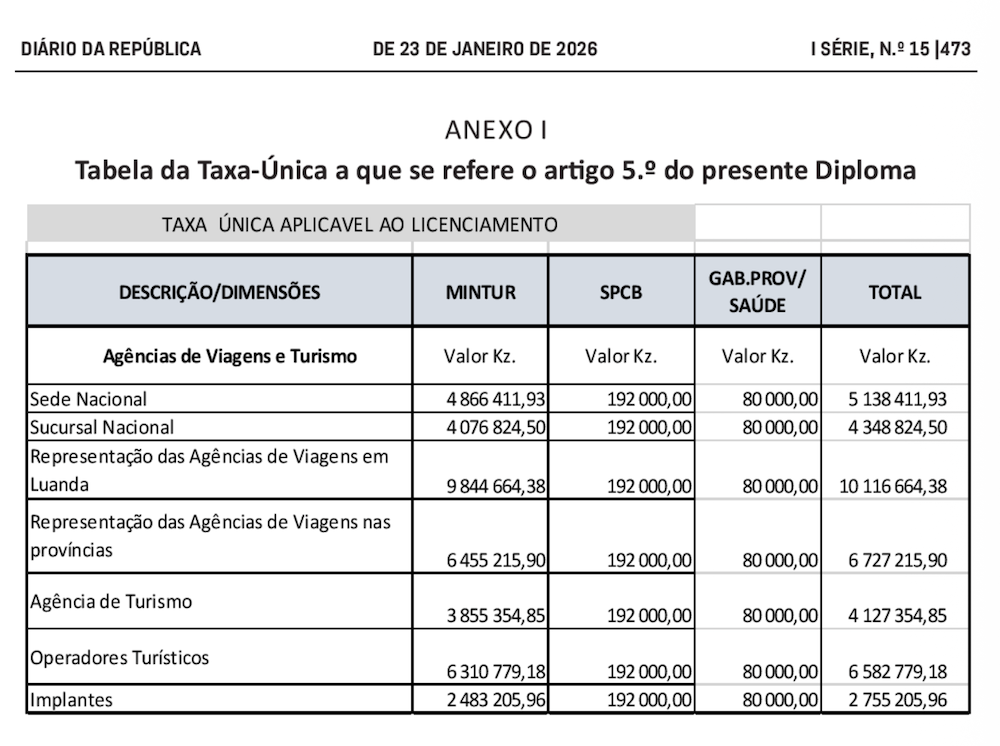
<p>In the case of travel agencies, license values exceed 5 million kwanzas to operate legally.<br>

    For a country where tourism is still in a growth phase, and where many companies are small or family-run, this amount represents an extremely high initial investment.</p>
<p><img src="https://www.hoteisangola.com/media/images/taxa-unica-2026.png" alt="" style="width: 100%;"></p>
<p>

    <strong>And here an obvious problem emerges: when the cost of entering the market is very high, what usually happens?</strong><br>

    Many operators simply choose to continue operating informally.<br>

    And anyone familiar with the tourism sector in Angola knows this is not a hypothetical scenario. There are currently several entities selling travel, organizing excursions, or promoting tourism experiences without any formal licensing.<br>

    Instead of helping to formalize the sector, a fee that is too high may reinforce exactly what it intends to combat.</p>

<blockquote style="margin-left: 50px;"><em><strong>What kind of agencies do we want?</strong> Those that sell tickets simply to generate cash flow and ensure their sustainability, or those that invest in the domestic market through hard research work and dedicate themselves to innovating and building different solutions and experiences?</em></blockquote>


<h2><strong>A measure that prioritizes immediate revenue</strong></h2>


<p>Another aspect that deserves reflection is the adopted model.<br>
    The license is paid only once, after which the company is allowed to operate for a practically unlimited period.</p>

<p><em><strong>This raises a strategic question: </strong></em><strong><em>was the system designed to develop the sector or to generate immediate revenue?</em></strong></p>


<p><strong>In practice, what may happen is simple:</strong></p>

<ul>
    <li style="margin-left: 50px;"><span style="font-size: 14px;">the current ministry collects a significant amount now,</span></li>
    <li style="margin-left: 50px;"><span style="font-size: 14px;">in the future there will no longer be a continuous source of funding for the sector.</span></li>
    <li style="margin-left: 50px;"><span style="font-size: 14px;"><br></span></li>
</ul><span style="font-size: 14px;"><strong>In other words,</strong>
    <ul>
        <li style="margin-left: 50px;"><span style="font-size: 14px;">the total initial cost is approximately around 3,000 euros (3.26 minimum wages in Portugal, about 2.7 million kwanzas at an approximate exchange rate).</span></li>
        <li style="margin-left: 50px;"><span style="font-size: 14px;">Even in more demanding systems, the licensing fee may be close to 12,469 euros, depending on the license framework and the type of activity.</span></li>
    </ul>
</span>

<p><strong><br></strong></p>
<p><strong>But there is a fundamental difference:</strong></p>

<ul>
    <li style="margin-left: 50px;">these countries have mature tourism markets, with millions of tourists per year, high demand, and companies with greater financial capacity.</li>
    <li style="margin-left: 50px;">Angola is still in an early stage of tourism development.</li>
    <li style="margin-left: 50px;">Therefore, copying the model without adapting it to the context may produce exactly the opposite effect of what is intended.</li>
</ul>


<p><br></p>
<h2><strong>A more sustainable alternative model</strong></h2>

<p><strong>Perhaps the question we should ask is different:</strong></p>

<p style="text-align: center;"><strong><em><span style="font-size: 18px;">how can we create a system that encourages formalization while at the same time financing the sector?</span></em></strong></p>

<p><strong>One possibility would be to adopt a more progressive model, for example:</strong></p>

<ul>
    <li style="margin-left: 50px;"><span style="font-size: 14px;">a more accessible initial fee</span></li>
    <li style="margin-left: 50px;"><span style="font-size: 14px;">combined with an annual activity fee.</span></li>
</ul>
<ul>
</ul>

<p><strong>This model would have several advantages:</strong></p>

<ul>
    <li style="margin-left: 50px;">it would reduce the barrier to entry into the market</li>
    <li style="margin-left: 50px;">it would encourage the formalization of companies</li>
    <li style="margin-left: 50px;">it would create a permanent source of funding for the sector</li>
    <li style="margin-left: 50px;">it would allow more regular monitoring of licensed companies.</li>
</ul>
<p><code class="elx5_plugin"></code><br>
</p>
<p style="text-align: center;"><strong><span style="font-size: 18px;"><em>Over the years, the State could collect more resources than with a single payment, but without strangling the market.</em></span></strong></p>

<h2>Developing tourism requires facilitating investment</h2>

<p><strong>Angola has extraordinary tourism potential:</strong></p>
<ul>
    <li style="margin-left: 50px;">unique nature</li>
    <li style="margin-left: 50px;">rich culture</li>
    <li style="margin-left: 50px;">extensive coastline</li>
    <li style="margin-left: 50px;">destinations that remain authentic.</li>
</ul>

<p><br></p>
<span style="font-size: 14px;">But to transform this potential into real development we need more operators, more agencies, and more private initiatives.</span><br>

<p>Creating barriers that are too high right at the start can have a complicated effect: instead of energizing the sector, it may reduce the number of formal companies and hinder innovation.</p>
<p><br></p>

<h2><strong>A necessary debate</strong></h2>

<p>Organizing the tourism sector is fundamental. But regulating does not necessarily mean making access to the market more expensive.</p>
<p><br></p>

<p><strong>The real challenge lies in finding the balance between:</strong></p>

<ul>
    <li style="margin-left: 50px;">regulation
    </li>
    <li style="margin-left: 50px;">institutional sustainability
    </li>
    <li style="margin-left: 50px;">and sector growth.
    </li>
</ul>

<p><br></p>
<h1 style="text-align: center;"><strong><u><em>Because in tourism, more important than collecting millions today is creating a strong sector that generates value for decades.</em></u></strong></h1>
<p style="text-align: center;">

    <br></p>
<p style="text-align: center;"><br></p>
<p>And for that, it may be necessary to reconsider whether this licensing model is truly the most suitable for Angola’s reality.</p>

<hr>
<p><strong>Sincerely<br>
        Jorge Nunes<br>
        www.hoteisangola.com</strong></p>
<hr>]]></summary>
		<author>
			<name>Jorge Nunes</name>
		</author>
		<link rel="enclosure" href="https://www.hoteisangola.com/media/images/articles14/ArtigodeOpiniao_thumb.jpg" length="13441" type="image/jpeg" />
	</entry>
	<entry>
		<title><![CDATA[Domestic Tourism in Angola: Warning sign that is in sight]]></title>
		<link type="text/html" href="https://www.hoteisangola.com/en/destaques/artigos-opiniao/turismo-interno-angola-sinal-alerta.html" />
		<id>urn:uuid:6a7f9961-88d8-b268-8383-b0b2bfa2f48c</id>
		<updated>2026-02-12T15:24:00+00:00</updated>
		<summary type="html"><![CDATA[<img style="margin:5px; float:left;" src="https://www.hoteisangola.com/media/images/articles14/ArtigodeOpiniao_thumb.jpg" alt="Artigos de opinião" /> <p>We are at a time when there is a lot of talk about tourism. There is talk of growth, international entries, external promotion and new investments. However, you only need to look at the upcoming long weekend to realize that there is one sign that cannot be</p><p><strong>Estamos numa altura em que muito se fala de turismo. Fala-se de crescimento, de entradas internacionais, de promoção externa e de novos investimentos. No entanto, basta olhar para o próximo fim de semana prolongado para perceber que há um sinal que não pode ser ignorado.</strong></p>

<p>Há poucos anos, províncias como Benguela, Huíla e Namibe estariam praticamente esgotadas uma ou duas semanas antes de datas semelhantes. Hoje, quinta-feira, dia 12, ainda existem vagas para entrar no dia 13 e sair no dia 17.</p>

<p>Isto não é um detalhe. É um indicador.</p>

<h3><strong>A procura está a diminuir</strong></h3>

<p>O que se nota de forma clara é uma redução da procura. Durante anos, os fins de semana prolongados eram verdadeiros picos de ocupação. Eram o motor do turismo interno e garantiam receitas que sustentavam meses mais fracos.<br>
    Se nos fins de semana prolongados já se sente quebra, o que acontece nos restantes meses do ano?<br>
    A consequência é evidente: as taxas médias de ocupação mensais descem, as taxas anuais também, a rentabilidade das unidades reduz e a capacidade de investimento diminui.</p>

<p><strong>E a razão principal é simples: o turismo que sustenta Angola é o turismo interno.</strong></p>
<p><code class="elx5_plugin"></code><br>
</p>
<h3><strong>Turismo internacional ainda é&nbsp;residual</strong></h3>

<p>Muito se fala das entradas internacionais. Fala-se em cerca de 205 mil visitantes com visto de turismo. É um número positivo? Sim. É suficiente? Não.</p>

<p>Para um país com a dimensão territorial de Angola e com dezenas de destinos potenciais, esse número ainda é reduzido. O turismo internacional ainda não tem escala para sustentar a hotelaria fora de Luanda, destinos de lazer ou projetos emergentes.</p>

<p>Quem mantém o setor vivo é o mercado interno. E esse mercado está a retrair.</p>
<p><br></p>

<h3>As razões da retração</h3>

<h4>
    <ul>
        <li style="margin-left: 50px;"><strong>Menos viagens longas</strong> - As famílias viajam menos para destinos distantes. O custo global da viagem pesa cada vez mais nas decisões.</li>
        <li style="margin-left: 50px;"><strong>Estradas como fator limitador</strong> - Destinos como o Namibe continuam penalizados pela ausência de infraestruturas estruturantes. O troço da EN100 entre o Cimo e a Lucira continua a ser uma fragilidade crítica. Essa ligação poderia transformar o Namibe num destino ainda mais competitivo, facilitando o acesso rodoviário desde Luanda. Sem uma estrada funcional, o destino fica dependente quase exclusivamente do transporte aéreo.</li>
        <li style="margin-left: 50px;"><strong>Dependência aérea excessiva</strong> - O Namibe depende praticamente da TAAG Angola Airlines. Com apenas três voos semanais, torna-se evidente que a oferta é limitada. Os voos esgotam, não há flexibilidade e não existe concorrência.</li>
        </ul><br><span style="font-size: 16px; color: rgb(58, 85, 113);">Se o principal emissor é Luanda e não há capacidade aérea suficiente, o destino fica bloqueado, mesmo existindo disponibilidade hoteleira.</span><ul>
    </ul>
</h4>

<h3><strong>O Paradoxo Atual</strong></h3>

<p>Temos hotéis com quartos disponíveis. Mas temos aviões cheios, estradas deficientes e transporte rodoviário pouco estruturado.<br>
    O resultado é capacidade instalada ociosa. E quando há capacidade instalada sem procura, o setor enfraquece.</p>
<p><code class="elx5_plugin"></code><br>
</p><h3><strong>O Verdadeiro Debate</strong></h3>

<p>Não é apenas uma questão de promoção. É uma questão estrutural.<br>
    Se o turismo interno enfraquece, o setor perde estabilidade, o investimento desacelera e a sustentabilidade económica fica em risco. Antes de falarmos apenas de crescimento internacional, precisamos consolidar o mercado interno.</p>

<p>Sem base interna forte, não há estabilidade.</p>

<h3><strong>Conclusão</strong></h3>

<ul>
    <li style="margin-left: 60px;">O que estamos a viver neste fim de semana prolongado não é um episódio isolado. É um sintoma.</li>
    <li style="margin-left: 60px;">Se o turismo interno continua a retrair, as ocupações vão continuar a descer, a rentabilidade vai reduzir e o setor vai fragilizar-se.</li>
    <li style="margin-left: 60px;">Angola precisa de olhar para o turismo como um sistema integrado. Infraestrutura, transporte, conectividade e dados precisam de caminhar juntos.</li>
    <li style="margin-left: 60px;">O turismo interno não é apenas uma parte do setor. É a sua base. E quando a base enfraquece, todo o edifício sente.</li>
</ul>

<p><br></p>Atenciosamente<br>
Jorge Nunes<br>
www.hoteisangola.com<p><br></p>]]></summary>
		<author>
			<name>Jorge Nunes</name>
		</author>
		<link rel="enclosure" href="https://www.hoteisangola.com/media/images/articles14/ArtigodeOpiniao_thumb.jpg" length="13441" type="image/jpeg" />
	</entry>
</feed>